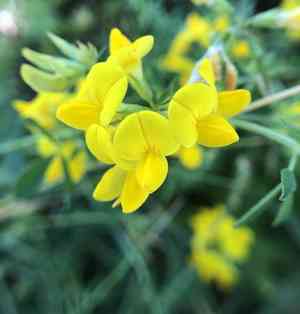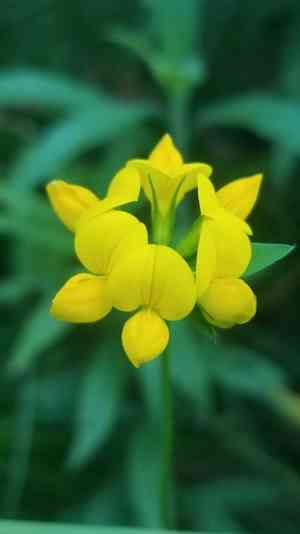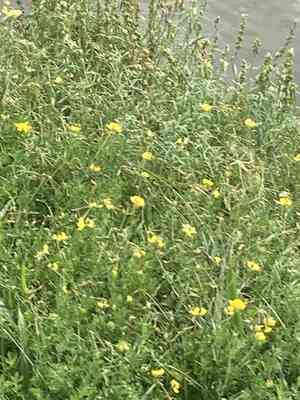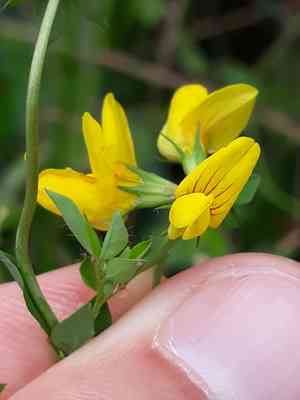
Lotus (Lotus)(Lotus)

Lotus (Lotus) (Lotus)

Also known as: Nelumbo, Sacred Lotus, Indian Lotus

Lotus plants, known for their stunning flowers, thrive in diverse environments. Their vibrant blooms, often in shades of pink, white, or blue, make them popular in water gardens and ornamental ponds. Lotus plants are also beneficial in wetland restoration and soil stabilization due to their robust root systems. Additionally, they serve as a valuable food source; their seeds, rhizomes, and leaves are edible and nutritious. In constructed wetlands, lotus plants play a role in water purification by absorbing excess nutrients and contaminants. Overall, lotus plants are multifaceted, offering ecological, aesthetic, and nutritional benefits in agriculture and horticulture.

Attributes of Lotus (Lotus)

Lifespan
Perennial
Plant Height
0.3 to 1.5 meters (1 to 5 feet) above the water surface
Spread
Varies; leaves can spread up to 1.2 meters (4 feet) wide
Leaf Color
Green
Flower Size
10 to 25 centimeters (4 to 10 inches)
Flower Color
White, Pink, Yellow (rare)

ForwardPlant - Identify plants with a snap

Identify and diagnose plants, get toxicity alerts, and explore safety guides for all types of fungi.

Try for Free

Images of Lotus (Lotus)

Lotus (Lotus)(Lotus)

Quickly Identify Lotus (Lotus)

1
Lotuses can be identified by their large, disc-shaped leaves that float on the water\'s surface or rise above it and their striking flowers that range in color from white to pink. The seed pods have a unique, showerhead-like appearance.

Scientific Classification of Lotus (Lotus)

Phylum
Magnoliophyta
Class
Magnoliopsida
Order
Proteales
Family
Nelumbonaceae
Genus
Nelumbo

Planting and Growing of Lotus (Lotus)

Care Difficulty
Moderate
Watering Schedule
Every 2 days
Sunlight Requirements
Full sun
Sunshine Duration
6-12 hours
Ideal Temperature
70-85℉
Soil Type
Potting Mix, Peat Mix
Soil pH
6.5-7.5
Fertilizer Type
Balanced
Pruning Season
Spring, Summer
Pruning Area
Branches, Leaves
Pruning Frequency
2 times a year
Repotting Season
Spring
Pot Type
Plastic, Ceramic

water icon How to Water Lotus (Lotus)?

For the plant Lotus, it's essential to mimic its natural habitat, ensuring the soil is moderately moist without getting waterlogged. Use around 500 ml per watering session, making sure the water penetrates to the root zone but isn't pooling excessively.
What are the symptoms of an underwatered Lotus (Lotus)?
What should I do if my Lotus (Lotus) is not getting enough water?
What are the symptoms of an overwatered Lotus (Lotus)?
How to save an overwatered Lotus (Lotus)?

sunlight icon What Are the Sunlight Requirements for Lotus (Lotus)?

Sunlight Requirements: Full sun, Partial sun
Duration of light: 5 to 8 hours daily
Lotus prefers full sun to partial sun exposure. Having ample light supports strong growth and a healthy blooming cycle, enhancing its resilience and aesthetic appeal.
Optimal Sunlight Exposure
Monitoring Light Conditions
Balancing Light with Temperature

temperature icon What Is the Ideal Temperature Range for Lotus (Lotus)?

Ideal Temperature: 70 ~ 85℉
The ideal temperature range for growing and maintaining a healthy Lotus is between 70°F and 85°F. This range provides optimal conditions for photosynthesis and general growth. It ensures that the plant can access the necessary warmth, which is crucial for its enzymatic processes and overall respiration. Maintaining these conditions will lead to vibrant blooms and healthy foliage.

soil icon What Soil is Best for Lotus (Lotus)?

Soil type: Loam, Sandy loam
Soil PH: 6.5 ~ 7.5
Lotus plants thrive in soil that is rich in organic matter. A nutrient-dense environment fosters robust growth and vibrant blooms. Although Lotus prefers moist conditions, well-draining soil is crucial to prevent root rot. It allows excess water to escape, safeguarding the plant's roots. Adequate moisture retention is essential for Lotus, enabling consistent hydration without over-saturation, ensuring its health and vitality.

fertilize icon How to Fertilize Lotus (Lotus)?

Fertilizer type: Balanced
For Lotus plants, the amount of fertilizer used should be carefully measured. Over-fertilizing can lead to lush foliage but poor flowering. Typically, use a balanced liquid fertilizer diluted to half strength, about 10-10-10 NPK ratio. Apply liquid fertilizer at approximately 50-100 ml per plant per session.

prune icon How to Prune Lotus (Lotus)?

Pruning Time: Spring, Summer
Start by removing any dead or yellowing leaves. These parts no longer serve any purpose for the plant and can attract pests and diseases if left unchecked. Always cut them at the base to ensure a clean removal. Identify areas where leaves and stems are crammed together. Carefully trim excess foliage to allow air circulation and sunlight penetration. This not only prevents mold and fungus but also encourages the development of larger, healthier blooms. If your Lotus plant starts looking shapeless, prune it back to your desired form. Focus on creating a balanced shape that allows for optimal exposure to light. Careful shaping can enhance the plant's natural symmetry and beauty.

propagate icon How to Propagate Lotus (Lotus) plant?

Propagate Time: Early spring,Late spring
1
Begin by soaking lotus seeds in warm water for a few days until they start to sprout. Plant the sprouted seeds in seed trays with a water-retentive soil mix and ensure they are kept moist.
2
For division propagation, carefully dig around the lotus plant to expose the rhizomes. Use a sharp knife to cut the rhizomes into sections, ensuring each section has an eye or bud.
3
Plant the divided rhizomes in containers filled with soil, ensuring they are submerged about two inches underwater. Position them in a sunny location to encourage growth.

repot icon How to Repot Lotus (Lotus) plant?

Repotting frequency: Every 2 years
1
Lotus plants should be repotted when their roots start to overgrow the current container or the soil compacts, affecting growth. It's best done when you notice a slow growth rate or yellowing leaves.
2
Select a broader and shallow pot for lotuses to accommodate their sprawling roots. Ensure the pot has at least one drainage hole to prevent water stagnation, which can suffocate roots and lead to rot.
3
Opt for a loamy, nutrient-rich mix that holds moisture yet still drains efficiently. This soil type will provide your lotus with essential nutrients while preventing water logging, which can damage roots.

ForwardPlant - Identify plants with a snap

Find the best spots for them to optimize their health, simply using your phone.

Try for Free