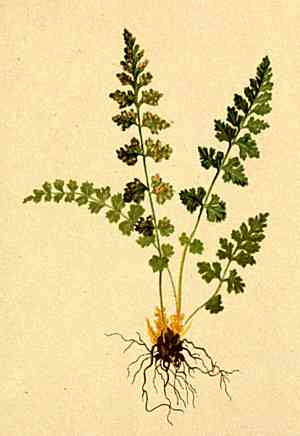
Netted chain fern (Lorinseria areolata)
Also known as: Netleaf Chain fern
The **Netted Chain Fern (Woodwardia areolata)** is known for its raised, net-like veins. It features distinct sterile and fertile fronds, which differ in appearance. This fern spreads through underground rhizomes.
In This Article
Attributes of Netted chain fern
Lifespan
Perennial
Plant Type
Herb
Plant Height
30 cm to 76 cm
Spread
30 cm to 60 cm
Leaf Color
Green
Flower Size
Not applicable, as this is a fern and does not produce flowers
Flower Color
Not applicable
Images of Netted chain fern
Quickly Identify Netted chain fern
1
Look for fronds that are pinnate with a unique chain-like pattern of veins. The plant typically has a distinct fertile frond that stands taller and is more linear compared to the sterile fronds.
Scientific Classification of Netted chain fern
Phylum
Vascular plants
Class
Ferns
Order
Polypodiales
Family
Chain fern
Genus
Netted Chain Fern
Species
Netted chain fern
Planting and Growing of Netted chain fern
Care Difficulty
Easy
Watering Schedule
Every 8 days
Sunlight Requirements
Full shade
Sunshine Duration
10-12 hours
Ideal Temperature
60-75℉
Soil Type
Potting Mix, Peat Mix
Soil pH
4.5-6
Fertilizer Type
Balanced
Pruning Season
Spring, Summer
Pruning Area
Branches, Leaves
Pruning Frequency
2 times a year
Repotting Season
Spring
Pot Type
Plastic, Ceramic
 How to Water Netted chain fern?
Lorinseria areolata prefers consistently moist soil. Watering should saturate the soil but avoid water pooling on the surface. Water until the soil feels evenly moist to a depth of several centimeters.
What are the symptoms of an underwatered Netted chain fern?
›
What should I do if my Netted chain fern is not getting enough water?
›
What are the symptoms of an overwatered Netted chain fern?
›
How to save an overwatered Netted chain fern?
›
 What Are the Sunlight Requirements for Netted chain fern?
Partial sun to full shade is optimal for this plant. Ideal lighting ensures balanced growth, strong foliage, and resilience against environmental stress, supporting its natural habitat conditions.
More About Sunlight Requirements Techniques→
What is the best light condition for Lorinseria areolata?
›
How can you achieve ideal lighting for Lorinseria areolata?
›
What benefits does Lorinseria areolata get from ideal lighting?
›
 What Is the Ideal Temperature Range for Netted chain fern?
The ideal temperature range for Lorinseria areolata is between 60°F and 75°F. This temperature range ensures optimal growth and allows the plant to thrive. Within this range, the fern can maintain its physiological processes efficiently without stress. It's the best environment for photosynthesis and maintaining lush foliage.
 What Soil is Best for Netted chain fern?
Lorinseria areolata thrives in moisture-retentive soils that remain consistently damp. This type of soil helps in keeping the plant hydrated, ensuring natural growth and preventing wilting. This plant benefits from soil rich in organic matter, which provides essential nutrients that contribute to vigorous growth and vibrant foliage. While it needs moisture, Lorinseria areolata also requires well-drained conditions to prevent root rot. Well-drained soils help maintain healthy roots by preventing water logging.
 How to Fertilize Netted chain fern?
Lorinseria areolata requires moderation in fertilization. When using liquid fertilizers, dilute them to half the strength recommended by the manufacturer to avoid over-fertilizing. For slow-release fertilizers, use approximately one tablespoon per plant, evenly distributed around the root area.
 How to Prune Netted chain fern?
Begin by identifying dead or yellowing fronds which can be clipped back to the base. These are not contributing to the plant's health and can be removed to encourage new growth. When cutting, make your cuts at the base of the frond, where it meets the soil or the central root system. This encourages more effective regrowth and maintains the tidy appearance of the plant. After pruning, keep a close eye on your Lorinseria areolata for signs of stress, such as wilting or browning. Ensure optimal conditions, such as proper hydration and light, to aid in its recovery.
More About Pruning Techniques→
 How to Propagate Netted chain fern plant?
1
Before dividing or taking root cuttings, ensure the plant is healthy and adequately watered. This promotes better regrowth and survival of separated sections or cuttings.
2
Gently remove the plant from its pot or ground. Using a sharp knife, divide the root ball into sections, ensuring each section has viable roots and foliage.
3
Plant the divided sections or root cuttings in a potting mix. Firm the soil around them and water thoroughly to settle the soil and remove air pockets.
 How to Repot Netted chain fern plant?
1
Look for signs like roots emerging from drainage holes or the top of the soil. These indicate that your plant is outgrowing its current pot and requires more space. Plants that have slow growth or appear weakened might also need repotting. Ideally, aim for a period when the plant is experiencing active growth in spring or summer.
2
Choose a pot that is 1-2 inches larger in diameter than the current one. This allows adequate room for root expansion without risking waterlogging. Opt for pots with good drainage holes to prevent root rot, ensuring your Lorinseria areolata remains healthy and thriving.
3
Select moist yet well-draining soil to ensure the roots have access to water without becoming waterlogged. Soil mixed with organic matter provides essential nutrients while maintaining moisture, promoting strong root development and overall growth.
Learn More About Netted chain fern Diseases
Anthracnose
Bacterial Leaf Spot
Bacterial Soft Rot
Bacterial Wilt
Black Spot
Chemical Injury
Crown Gall
Damping-off
Downy Mildew
Drought Stress
Fusarium Wilt
Gray Mold
Leaf Curl
Leaf Spot
Mosaic
Nutrient Deficiency
Nutrient Toxicity
Powdery Mildew
Root Rot
Root-knot Nematode
Rusts
Sooty Mold
Spider Mites
Temperature Stress
Thrips Damage
White Mold



