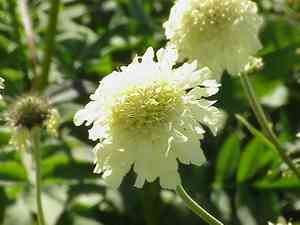
Grape honeysuckle (Lonicera reticulata)
Also known as: Grape Honeysuckle, Evergrowing Honeysuckle
Grape honeysuckle (Lonicera reticulata) is a rapidly growing native North American plant. It features blossoms that start off white or yellow and turn pink as spring progresses. This plant is a food source for deer and provides both nesting sites and berries for birds.
In This Article
Attributes of Grape honeysuckle
Lifespan
Perennial
Plant Type
Vine, Shrub
Plant Height
3 m to 4.5 m
Spread
90 cm to 1.5 m
Leaf Color
Deep green
Flower Size
2.5 cm
Flower Color
Yellow
Images of Grape honeysuckle
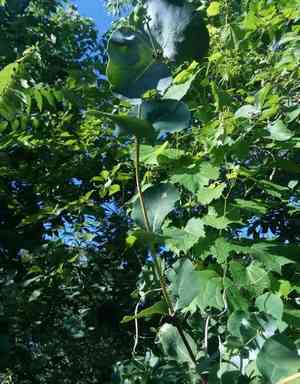
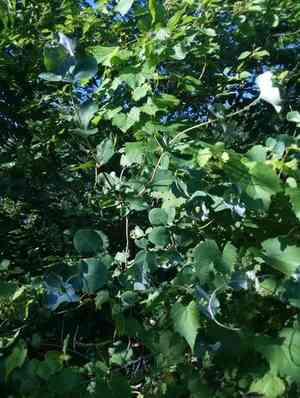
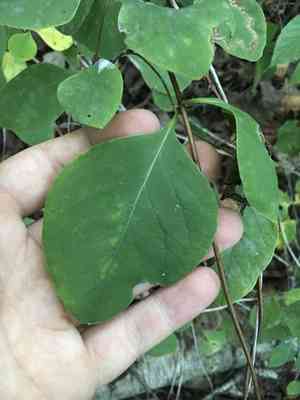
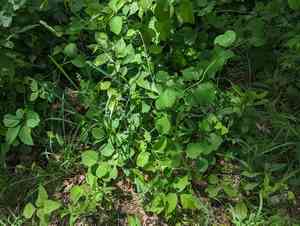
Quickly Identify Grape honeysuckle
1
Lonicera reticulata can be identified by its unique twining growth habit, yellowish or reddish tubular flowers, and the reticulated pattern of veins on the leaves. It produces pea-sized, red or orange berries as fruit.
Scientific Classification of Grape honeysuckle
Phylum
Vascular plants
Class
Dicotyledons
Order
Dipsacales
Family
Honeysuckle
Genus
Honeysuckles
Species
Grape honeysuckle
Planting and Growing of Grape honeysuckle
Care Difficulty
Easy
Watering Schedule
Every 4 days
Sunlight Requirements
Full sun
Sunshine Duration
4-8 hours
Ideal Temperature
60-75℉
Soil Type
Potting Mix, Peat Mix
Soil pH
6.5-7.5
Fertilizer Type
Balanced
Pruning Season
Spring, Summer
Pruning Area
Branches, Leaves
Pruning Frequency
2 times a year
Repotting Season
Spring
Pot Type
Plastic, Ceramic
 How to Water Grape honeysuckle?
When watering Lonicera reticulata, it's crucial to ensure the soil is evenly moist without being waterlogged. Aim for approximately 500 milliliters per watering session, which will help maintain the right balance. The soil should feel damp when touched, but water should not be pooling at the surface.
What are the symptoms of an underwatered Grape honeysuckle?
›
What should I do if my Grape honeysuckle is not getting enough water?
›
What are the symptoms of an overwatered Grape honeysuckle?
›
How to save an overwatered Grape honeysuckle?
›
 What Are the Sunlight Requirements for Grape honeysuckle?
Lonicera reticulata prefers full sun to partial sunlight, ideally within 6 to 8 hours daily. Optimal lighting supports prolific growth, vibrant flowers, and minimizes disease likelihood, creating robust plant health and an inviting garden space.
More About Sunlight Requirements Techniques→
What is the best lighting for Lonicera reticulata?
›
How can you ensure Lonicera reticulata gets optimal light?
›
What are the benefits of ideal lighting for Lonicera reticulata?
›
 What Is the Ideal Temperature Range for Grape honeysuckle?
Lonicera reticulata thrives in environments where daytime temperatures are consistently between 60°F and 75°F. This range supports the plant's metabolic functions and growth cycles. The moderate warmth facilitates both foliage development and flowering. Maintaining this temperature range can help achieve optimal blooming and plant vigor.
 What Soil is Best for Grape honeysuckle?
Lonicera reticulata thrives in well-drained soils, preventing water from pooling around the roots. This drainage is crucial to prevent root rot and other moisture-related diseases, allowing roots to access oxygen efficiently. This plant prefers soils that retain some moisture yet are not waterlogged. The right balance ensures that the plant stays hydrated without risk of overwatering, promoting healthy growth. A soil rich in organic matter supports Lonicera reticulata by providing essential nutrients. This enhances flowering and leaf growth, leading to a healthier and more vigorous plant.
 How to Fertilize Grape honeysuckle?
For Lonicera reticulata, apply a balanced liquid fertilizer carefully to avoid over-fertilization. A diluted solution of 10-20-10 or 15-30-15 is advisable, usually around 1 tablespoon per gallon of water. Ensure even distribution and avoid direct contact with the foliage to prevent burns.
 How to Prune Grape honeysuckle?
Select sharp and clean cutting tools for pruning Lonicera reticulata. This will ensure precise cuts, reducing the risk of plant damage and infection. Sterilizing your tools before use can prevent the spread of any potential diseases. Prune in the early morning or late afternoon when the sun is not at its peak. This reduces stress on the plant and allows the cuts to heal during the cooler parts of the day, minimizing water loss and sun exposure.
More About Pruning Techniques→
 How to Propagate Grape honeysuckle plant?
1
Identify a healthy, vigorous parent plant free of pests and diseases. This ensures that the cuttings taken will have the best chance to root and establish successfully.
2
Choose a section of the plant with vigorous growth, ideally 4 to 6 inches long. Make your cut just below a leaf node using sterilized pruning shears to minimize potential contamination.
3
Use a well-draining medium such as a mix of peat and perlite or sand. The medium should be moistened but not waterlogged to support healthy root development without promoting rot.
 How to Repot Grape honeysuckle plant?
1
Lonicera reticulata shows clear signs when it needs repotting, such as root bound in the pot or the soil drying out too quickly. If you notice growth slowing down or roots beginning to circle inside the pot, it is time to consider repotting. Check during spring as the plant starts its growing season.
2
Select a pot that is 2-3 inches wider than the current one. This allows the roots to spread out without overwhelming the plant. Ensure the pot has drainage holes to prevent waterlogging, which could lead to root rot. Using the right pot size ensures stability and optimal root growth.
3
Opt for a well-draining potting mix designed for flowering shrubs. A mix with perlite, peat moss, and organic matter will keep the roots aerated and offer proper nutrients. This type of soil ensures good moisture retention while preventing root diseases.
Toxicity
Ingestion
WARNING
The judgment on toxicity and danger is for reference only. We DO NOT GUARANTEE any accuracy of such judgment. Therefore, you SHALL NOT rely on such judgment. It is IMPORTANT TO SEEK PROFESSIONAL ADVICE in advance when necessary.
Learn More About Grape honeysuckle Diseases
Anthracnose
Bacterial Leaf Spot
Bacterial Wilt
Black Spot
Chemical Injury
Crown Gall
Damping-off
Downy Mildew
Drought Stress
Fusarium Wilt
Gray Mold
Leaf Curl
Leaf Spot
Mosaic
Nutrient Deficiency
Nutrient Toxicity
Powdery Mildew
Root Rot
Root-knot Nematode
Rusts
Sooty Mold
Spider Mites
Temperature Stress
Thrips Damage
White Mold



