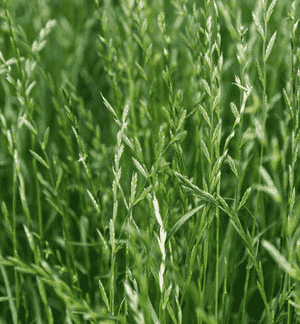
Perennial ryegrass (Lolium perenne)
Also known as: English ryegrass, Ray grass
Kentucky bluegrass (Poa pratensis) is a plant species native to Eurasia. It is commonly included in lawn seed mixtures, used for cattle feed, and employed in erosion control. Additionally, it is prized for creating durable turf on golf courses. However, in regions where it is introduced, Kentucky bluegrass is often regarded as an invasive species.
In This Article
Attributes of Perennial ryegrass
Lifespan
Perennial, Annual
Plant Type
Grass
Plant Height
30 cm to 90 cm
Spread
10 cm
Leaf Color
Green
Flower Size
5 mm to 8 mm
Flower Color
Green
Images of Perennial ryegrass
Quickly Identify Perennial ryegrass
1
Glossy green leaves with a prominent central ridge and smooth edges.
2
Leaves fold when young, unfolding as they mature.
3
Tightly packed foliage forms a dense sward.
4
Plant height ranges from 1 to 3 feet (30 to 90 cm).
5
Fast growth rate and tolerance to close mowing for uniform turf maintenance.
Scientific Classification of Perennial ryegrass
Phylum
Vascular plants
Class
Monocotyledons
Order
Poales
Family
Grass
Genus
Ryegrasses
Species
Perennial ryegrass
Planting and Growing of Perennial ryegrass
Care Difficulty
Easy
Watering Schedule
Every 8 days
Sunlight Requirements
Full sun
Sunshine Duration
6-10 hours
Ideal Temperature
60-75℉
Soil Type
Potting Mix, Peat Mix
Soil pH
6.5-7.5
Fertilizer Type
Balanced
Pruning Season
Spring, Summer
Pruning Area
Branches, Leaves
Pruning Frequency
2 times a year
Repotting Season
Spring
Pot Type
Plastic, Ceramic
 How to Water Perennial ryegrass?
Watering Lolium perenne involves a general principle: ensuring the soil is moist but not waterlogged. Approximately 500 ml per session is adequate. The water should reach the roots without creating standing water, ensuring proper soil drainage.
What are the symptoms of an underwatered Perennial ryegrass?
›
What should I do if my Perennial ryegrass is not getting enough water?
›
What are the symptoms of an overwatered Perennial ryegrass?
›
How to save an overwatered Perennial ryegrass?
›
 What Are the Sunlight Requirements for Perennial ryegrass?
Lolium perenne ideally should receive full sun to partial sun exposure, equating to 6-8 hours of sunlight daily. Ample light aids in vigorous growth, enhances photosynthesis, and helps the plant maintain its lush appearance and resilience.
More About Sunlight Requirements Techniques→
What is the best lighting condition for Lolium perenne?
›
How can you ensure Lolium perenne gets ideal lighting?
›
What benefits does ideal lighting provide for Lolium perenne?
›
 What Is the Ideal Temperature Range for Perennial ryegrass?
The ideal temperature range for cultivating Lolium perenne, also known as perennial ryegrass, falls between 60°F to 75°F. This range allows for optimal photosynthesis and metabolic processes, promoting vigorous growth and resilience. Maintaining these temperatures supports healthy leaf development and strong root systems, which are crucial for this grass species' ability to thrive in various environmental conditions.
 What Soil is Best for Perennial ryegrass?
Lolium perenne thrives in well-drained soils that prevent water from pooling around its roots. This requirement is vital to avoid root rot and ensure that the plant receives adequate oxygen for robust growth. A nutrient-rich soil is essential for Lolium perenne to flourish. It demands a fertile environment that supplies essential nutrients for its vigorous growth, resulting in lush, vibrant lawns. The grass needs soil that retains moisture adequately without becoming waterlogged. This balance ensures that the roots remain hydrated, especially during dry spells, promoting healthy, green foliage.
More About Soil→
 How to Fertilize Perennial ryegrass?
Lolium perenne, commonly known as perennial ryegrass, requires balanced fertilization to thrive. On average, apply 1 to 2 pounds of nitrogen per 1,000 square feet per growing season. Divide this amount according to the growing needs, focusing more during active growth periods in spring and autumn. Use a balanced fertilizer with an N-P-K ratio of 4:1:2 for optimal growth.
More About Fertilizing Techniques→
 How to Prune Perennial ryegrass?
Avoid mowing during the hottest part of the day as this can stress the grass. Early morning or late afternoon is ideal. Regularly mowing Lolium perenne during its growing season ensures it remains dense and healthy, preventing thatch build-up. Consider leaving the clippings on the lawn after mowing. Clippings decompose quickly and return valuable nutrients like nitrogen back to the soil, promoting healthier growth without the need for additional fertilizers.
More About Pruning Techniques→
 How to Propagate Perennial ryegrass plant?
1
Sow seeds in seed trays filled with moist, well-draining soil. Lightly cover the seeds and maintain consistent moisture. Place the trays in a location with indirect sunlight. Germination typically occurs within 7-14 days.
2
Choose healthy, mature plants for division. Using a garden fork, carefully lift the plant from the ground, taking care to preserve as much of the root system as possible for successful replanting.
3
Separate the lifted plant into smaller clumps, ensuring each division has adequate roots. Replant these divisions at the same depth as they were originally growing and water thoroughly to help them establish.
 How to Repot Perennial ryegrass plant?
1
Lolium perenne shows signs of needing a repot when its roots begin to emerge from the drainage holes or when the growth slows significantly. If you notice the plant's roots are circling the pot or the soil dries out more quickly, it's time to consider repotting. The best time to repot Lolium perenne is during its active growth phase in spring, when the plant can recover swiftly from any root disturbance.
2
Select a pot that is one size larger than its current pot to allow room for root expansion. Ensure the pot has adequate drainage holes to prevent waterlogging, which can lead to root rot. Using terracotta pots can further improve aeration but remember they dry out more quickly, so adjust watering accordingly.
3
Opt for a well-draining potting mix that aids in preventing water stagnation around the roots. A combination of regular potting soil mixed with perlite or sand can provide the necessary drainage properties. Such a mix ensures healthy root conditions and encourages vigorous growth.
Toxicity
Ingestion of infected plant parts
WARNING
The judgment on toxicity and danger is for reference only. We DO NOT GUARANTEE any accuracy of such judgment. Therefore, you SHALL NOT rely on such judgment. It is IMPORTANT TO SEEK PROFESSIONAL ADVICE in advance when necessary.



