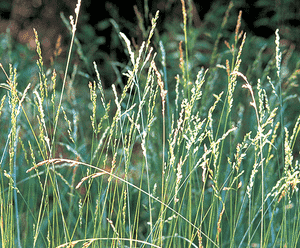
Tall Fescue(Lolium arundinaceum)

Tall Fescue (Lolium arundinaceum)

Also known as: Kentucky Fescue

**Tall Fescue (Lolium arundinaceum)** is a perennial grass that typically reaches heights of 61 to 122 cm. It is often deemed invasive due to its disruptive impact on woodlands, savannas, and grasslands. Originating from Eurasia, it was introduced to North America by early settlers for the purpose of grazing livestock.

Attributes of Tall Fescue

Lifespan
Perennial
Plant Type
Grass
Plant Height
80 cm to 1 m
Spread
N/A
Leaf Color
Green
Flower Size
20 cm to 30 cm
Flower Color
Green Yellow

PlantJoy - Identify plants with a snap

Identify and diagnose plants, get toxicity alerts, and explore safety guides for all types of fungi.

Try for Free

Images of Tall Fescue

Tall Fescue(Lolium arundinaceum)

Quickly Identify Tall Fescue

1
Deep green color with fine-textured, glossy leaves.
2
Leaves clasping stem, 0.25 inches (0.64 cm) wide, ridged edges.
3
Tall, narrow, erect seed head for easy recognition.
4
Thick linear leaves with toothed margins, shiny underside.
5
Emerging leaves rolled in the bud, up to 12 inches (30 cm) long.

Scientific Classification of Tall Fescue

Phylum
Vascular plants
Class
Monocotyledons
Order
Poales
Family
Grass
Genus
Ryegrasses
Species
Tall Fescue

Planting and Growing of Tall Fescue

Care Difficulty
Easy
Watering Schedule
Every 4 days
Sunlight Requirements
Full sun
Sunshine Duration
4-8 hours
Ideal Temperature
60-75℉
Soil Type
Potting Mix, Peat Mix
Soil pH
5.5-7
Fertilizer Type
Balanced
Pruning Season
Spring, Summer
Pruning Area
Branches, Leaves
Pruning Frequency
2 times a year
Repotting Season
Spring
Pot Type
Plastic, Ceramic

water icon How to Water Tall Fescue?

Lolium arundinaceum requires a balanced approach to watering. Ideally, water the soil deeply with about 3000 ml per session, ensuring that the moisture reaches the root zone, which helps develop a robust and vigorous root system. Aim for even moisture without making the soil waterlogged.
What are the symptoms of an underwatered Tall Fescue?
What should I do if my Tall Fescue is not getting enough water?
What are the symptoms of an overwatered Tall Fescue?
How to save an overwatered Tall Fescue?

sunlight icon What Are the Sunlight Requirements for Tall Fescue?

Sunlight Requirements: Full sun, Partial sun
Duration of light: 4 to 6 hours
Lolium arundinaceum thrives under full sun or partial sun with 4 to 6 hours of daily exposure, promoting vigorous growth and resilience against diseases.
How to Achieve Ideal Lighting?
What Actions Facilitate Ideal Lighting?
Benefits of Ideal Lighting for Lolium arundinaceum
More About Sunlight Requirements Techniques

temperature icon What Is the Ideal Temperature Range for Tall Fescue?

Ideal Temperature: 60 ~ 75℉
Lolium arundinaceum thrives best when the temperature ranges between 60°F to 75°F during the growing season. At this range, the plant's metabolic processes, including photosynthesis and nutrient uptake, are most efficient, leading to healthy growth and dense foliage.

soil icon What Soil is Best for Tall Fescue?

Soil type: Loam, Sandy loam
Soil PH: 5.5 ~ 7
Lolium arundinaceum thrives best in well-drained soils. This ensures that the roots are not waterlogged, which can prevent diseases and promote healthy growth. Well-drained soil maintains the right balance of moisture and air around the roots. The soil should be nutrient-rich to support the vigorous growth of Lolium arundinaceum. Fertile soil provides the essential macro and micro-nutrients needed for the plant to grow robust and vibrant, enhancing its overall appearance and resilience. Incorporating organic matter like compost improves soil structure and fertility. It boosts microbial activity, aids in better water retention, and provides a slow-releasing nutrient source, all beneficial for sustaining the plant's health over time.

fertilize icon How to Fertilize Tall Fescue?

Fertilizer type: Balanced
For Lolium arundinaceum, a balanced application of fertilizers is critical. For liquid fertilizer, use about 100-150 ml per square meter during the growing season, ensuring the solution is diluted to at least half the recommended strength to prevent root burn. Slow-release fertilizers should be applied at about 50-75 grams per square meter annually, based on soil tests and plant needs.

prune icon How to Prune Tall Fescue?

Pruning Time: Spring, Summer, Autumn
Start by using a sharp pair of shears or a lawn mower with a reliable blade. Trim the grass to a height of approximately 1.5 to 2 inches. This height allows the plant to recover quickly and grow back healthier. Focus on removing any dead or diseased blades, which can contribute to stronger overall growth. Avoid cutting more than one-third of the height at a time to reduce stress on the plant. More About Pruning Techniques

propagate icon How to Propagate Tall Fescue plant?

Propagate Time: Spring, Early summer
1
Choose a well-draining soil mix, as Lolium arundinaceum prefers not to be waterlogged. To prepare the soil, incorporate organic matter such as compost to enhance soil fertility.
2
Scatter the seeds evenly over the prepared soil surface. After sowing, lightly cover the seeds with a thin layer of soil or sand to protect them while still allowing light exposure.
3
For division, carefully dig up the parent plant, ensuring minimal root damage. Gently separate clumps into sections each with roots attached, and replant them promptly.
More About Propagating Techniques

repot icon How to Repot Tall Fescue plant?

Repotting frequency: Every 2-3 years
1
Observe if Lolium arundinaceum shows slowed growth or becomes root-bound, as these are indicators it's time to repot. Ideally, repot during spring or autumn when the plant isn't stressed by extreme temperatures.
2
Select a pot that is one size larger than the current one, with proper drainage holes to prevent waterlogging. This helps prevent root rot and gives roots ample room to grow and spread.
3
A well-draining loamy soil mix is ideal, ensuring that water doesn't accumulate around the roots which could lead to decay, while also retaining enough moisture to provide necessary hydration.

PlantJoy - Identify plants with a snap

Find the best spots for them to optimize their health, simply using your phone.

Try for Free

Toxicity of Tall Fescue

Is Tall Fescue toxic to cat?

Tall Fescue poses a toxicity risk to cats. If a cat accidentally ingests any portion of this plant, such as its leaves, stems, or seeds, it can result in poisoning. Pet owners need to recognize that even minimal consumption can cause adverse effects, leading to a variety of symptoms that signify physical discomfort or distress. Should there be any suspicion of tall Fescue ingestion, it is crucial to seek veterinary assistance immediately to tackle potential health complications and avert more serious issues. Acting swiftly is essential to safeguard the cat's health and facilitate recovery.

Is Tall Fescue toxic to dog?

Tall Fescue is recognized as toxic to dogs. Pets may inadvertently consume various parts of this plant, which can result in poisoning. Every part of the plant is detrimental, and ingesting even a small amount can lead to serious health issues. Dog owners must remain alert for signs such as vomiting, diarrhea, excessive drooling, or more critical symptoms like tremors or seizures. If a dog shows any of these symptoms after being exposed to tall Fescue, it is crucial to obtain prompt veterinary assistance to secure the best outcome for the animal.

Identify toxic plants for your safety

Learn which plants are harmful to you and your pets, and make informed choices for a safer home!

Try for Free
WARNING
The judgment on toxicity and danger is for reference only. We DO NOT GUARANTEE any accuracy of such judgment. Therefore, you SHALL NOT rely on such judgment. It is IMPORTANT TO SEEK PROFESSIONAL ADVICE in advance when necessary.
More About Toxic Techniques

