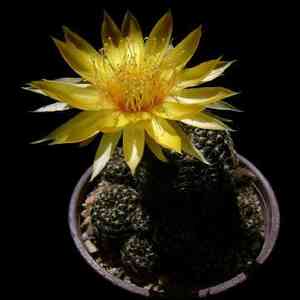
Lobivia ancistrophora (Lobivia ancistrophora)
Also known as: Fierce Lobivia, Anchor-Hook Lobivia
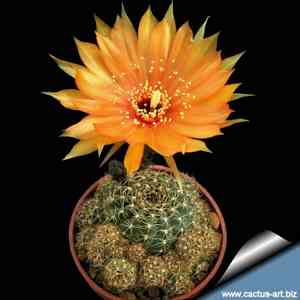
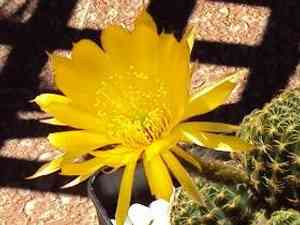
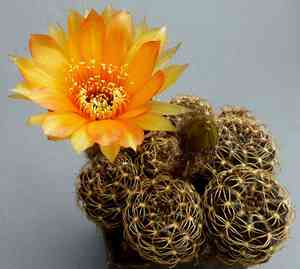
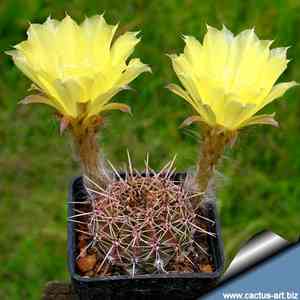
Lobivia ancistrophora is a species of cactus native to South America, particularly in Argentina. It is known for its spherical shape, ribbed body, and spiny exterior. The plant produces large, brightly colored flowers, typically pink, red, or yellow.
In This Article
Images of Lobivia ancistrophora
Quickly Identify Lobivia ancistrophora
1
To identify Lobivia ancistrophora, look for a small, globular cactus with pronounced ribs and sharp spines. The flowers are another distinctive feature, often large compared to the body, with vibrant colors.
Scientific Classification of Lobivia ancistrophora
Phylum
Tracheophyta
Class
Magnoliopsida
Order
Caryophyllales
Family
Cactaceae
Genus
Lobivia
Species
L. ancistrophora
Planting and Growing of Lobivia ancistrophora
Watering Schedule
Every day
Sunlight Requirements
Full sun
Sunshine Duration
6-10 hours
Ideal Temperature
65-75℉
Soil Type
Potting Mix, Peat Mix
Soil pH
6.5-7.5
Fertilizer Type
Balanced
Pruning Season
Spring, Summer
Pruning Area
Branches, Leaves
Pruning Frequency
2 times a year
Repotting Season
Spring
Pot Type
Plastic, Ceramic
 How to Water Lobivia ancistrophora?
The Lobivia ancistrophora, like many cacti, requires that the soil be thoroughly soaked during watering. Use approximately 100 ml of water each time to ensure that the soil is wet throughout, then allow it to dry completely before the next watering.
What are the symptoms of an underwatered Lobivia ancistrophora?
›
What should I do if my Lobivia ancistrophora is not getting enough water?
›
What are the symptoms of an overwatered Lobivia ancistrophora?
›
How to save an overwatered Lobivia ancistrophora?
›
 What Are the Sunlight Requirements for Lobivia ancistrophora?
Full to partial sun exposure is preferred for Lobivia ancistrophora. Adequate light ensures vibrant growth and allows the plant to flower, showcasing its full beauty and maintaining optimal health.
What's the best light conditions for Lobivia ancistrophora?
›
How do I adjust the plant's exposure to achieve optimal light conditions?
›
What are the benefits of providing the right amount of light for this plant?
›
 What Is the Ideal Temperature Range for Lobivia ancistrophora?
The ideal temperature range for Lobivia ancistrophora is between 65°F and 75°F. These temperatures provide the best conditions for the cactus to thrive, encouraging optimal growth and flowering. Maintaining this range allows the plant to carry out its physiological processes efficiently, resulting in a healthier and more vibrant plant.
 What Soil is Best for Lobivia ancistrophora?
Lobivia ancistrophora thrives in well-drained soils that prevent waterlogging, as excess moisture can lead to root rot. Ensuring good drainage helps maintain healthy roots essential for the plant's growth and survival. This cactus benefits from soils rich in nutrients, particularly essential minerals. Providing a nutrient-rich medium supports its growth and enhances flowering potential, making the plant more vigorous and vibrant. A soil with moderate organic matter aids in maintaining moisture balance and offers slow nutrient release. For Lobivia ancistrophora, organic content assists in resilient growth and vibrant blooms.
 How to Fertilize Lobivia ancistrophora?
For Lobivia ancistrophora, the fertilizer amount should be carefully moderated. Use a balanced cactus fertilizer and apply it in diluted form. Use approximately 1/4 of the recommended strength on the label to avoid over-fertilization.
 How to Prune Lobivia ancistrophora?
Begin by inspecting your Lobivia ancistrophora for any dead or discolored parts. Use sterilized scissors to gently trim these areas, promoting better air circulation and growth. Focus on maintaining the plant's natural spherical shape. Avoid cutting too deep into the body, as it can cause unnecessary stress.
 How to Propagate Lobivia ancistrophora plant?
1
Begin by cleaning and drying Lobivia ancistrophora seeds. Use a well-draining soil mix in a seed tray and plant seeds just beneath the surface.
2
Select a healthy stock and scion. Use a grafting knife to make a diagonal cut on both, then join and secure them together with grafting tape.
3
After planting or grafting, place the pot in a warm location with indirect sunlight. Maintain soil moisture but avoid overwatering to prevent root rot.
 How to Repot Lobivia ancistrophora plant?
1
Lobivia ancistrophora should be repotted when you observe that the roots have filled the pot entirely or start emerging from the drainage holes at the bottom. Additionally, if the plant is not growing as it should, it might be time to examine the soil conditions and consider repotting to refresh the nutrients.
2
Select a pot just one size larger than the current one to ensure the roots have enough space to grow, which also prevents excess soil moisture accumulation, reducing the risk of root rot. The pot should have drainage holes to allow excess water to escape, maintaining an ideal moisture level for a cactus.
3
Opt for a well-draining cactus mixture that mimics the plant's natural environment. A good mix typically contains components like pumice, perlite, or coarse sand, which aid in drainage and aeration, preventing the roots from sitting in water and encouraging robust health.

