
Cardinal flower (Lobelia cardinalis)
Also known as: Scarlet lobelia
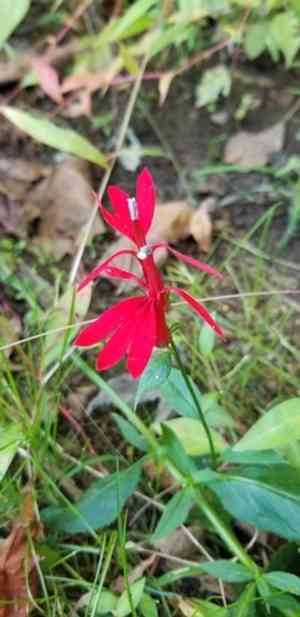
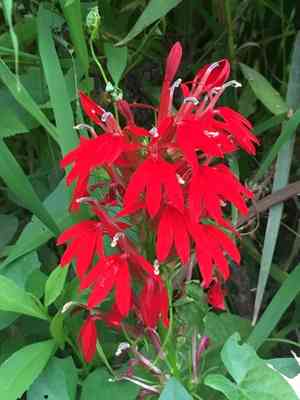
The cardinal flower (Lobelia cardinalis) is a perennial herb that reaches heights of 61 to 183 cm. It boasts vibrant red blooms from spring to fall, reminiscent of a Cardinal's robe, which naturally draw hummingbirds. The plant produces blue fruits and its foliage changes color in the fall. It thrives in sunny to partially shaded areas with moist soil, making it ideal for wet garden spots.
Attributes of Cardinal flower
Images of Cardinal flower


Quickly Identify Cardinal flower
Scientific Classification of Cardinal flower
Planting and Growing of Cardinal flower
 How to Water Cardinal flower?
 What Are the Sunlight Requirements for Cardinal flower?
 What Is the Ideal Temperature Range for Cardinal flower?
 What Soil is Best for Cardinal flower?
 How to Fertilize Cardinal flower?
 How to Prune Cardinal flower?
 How to Propagate Cardinal flower plant?
 How to Repot Cardinal flower plant?
Toxicity of Cardinal flower
Is Cardinal flower toxic to humans?
The cardinal flower possesses a mild toxicity throughout its entire structure, typically leading to health issues only if consumed in large quantities. Nonetheless, the toxic threshold varies based on the size and sensitivity of the individual, posing a greater risk to small children. This plant is known to contain harmful alkaloids, such as the genus-specific compounds lobelamine and lobeline. Signs of poisoning may include excessive drooling, nausea, vomiting, abdominal pain, diarrhea, dilated pupils, trembling, seizures, and, in severe cases, coma. It is essential to keep children and individuals with cognitive impairments away from this plant by placing potted specimens out of their reach and either fencing off or removing any plants in your garden.
Is Cardinal flower toxic to cat?
The cardinal flower possesses lobeline, a substance that exhibits moderate toxicity to cats upon ingestion. If a cat consumes a significant quantity, this situation can escalate to an emergency. The toxin is present in every part of the plant. Indicators of poisoning consist of vomiting, drooling, diarrhea, along with signs of depression and lethargy. It's recommended to seek veterinary assistance.
Is Cardinal flower toxic to dog?
The cardinal flower poses a serious risk to dogs. Symptoms can vary from mild to severe, and if you suspect your dog has consumed this plant, it's crucial to seek veterinary assistance without delay. Every part of the cardinal flower contains the toxin lobeline. Consuming small amounts of lobeline typically results in gastrointestinal distress, including nausea, vomiting, diarrhea, fatigue, and/or an irregular heartbeat. Ingesting larger doses of this substance can result in paralysis, unconsciousness, or even fatality.



