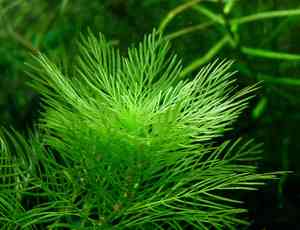
Smallflower woodland star (Lithophragma parviflorum)
Also known as: Prairie woodland star
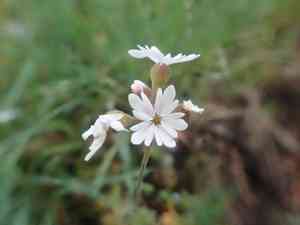
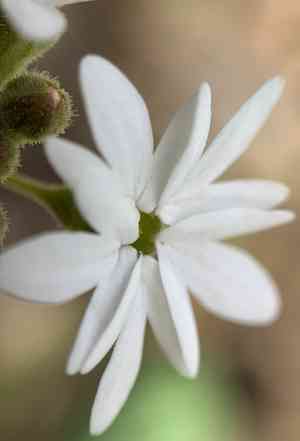
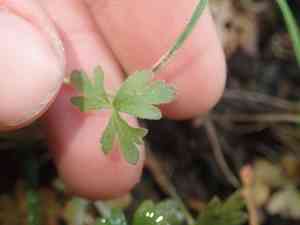
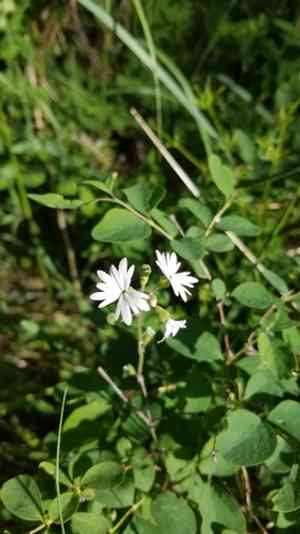
Lithophragma parviflorum, found widely across western North America, features leaves divided into three lobes. The plant's stems can hold up to 14 flowers, each encased in a red or green cuplike calyx. The flowers have five bright white petals, which can be up to 1.6 cm in length and are typically split into three tooth-like segments.
In This Article
Attributes of Smallflower woodland star
Lifespan
Perennial
Plant Type
Herb
Plant Height
10 cm to 30 cm
Spread
N/A
Leaf Color
Green
Flower Size
0.5 to 1 cm
Flower Color
White or pink
Images of Smallflower woodland star
Quickly Identify Smallflower woodland star
1
Look for small, white or pink five-petaled flowers and deeply lobed leaves. The flowers often have fringed petals and are held on long, delicate stems.
Scientific Classification of Smallflower woodland star
Phylum
Vascular plants
Class
Dicotyledons
Order
Saxifragales
Family
Saxifrage
Genus
Woodland Stars
Species
Smallflower woodland star
Planting and Growing of Smallflower woodland star
Care Difficulty
Easy
Watering Schedule
Every 2 days
Sunlight Requirements
Partial sun
Sunshine Duration
6-10 hours
Ideal Temperature
60-70℉
Soil Type
Potting Mix, Peat Mix
Soil pH
6.5-7.5
Fertilizer Type
Balanced
Pruning Season
Spring, Summer
Pruning Area
Branches, Leaves
Pruning Frequency
2 times a year
Repotting Season
Spring
Pot Type
Plastic, Ceramic
 How to Water Smallflower woodland star?
Lithophragma parviflorum, also known as Smallflower Woodland Star, prefers well-draining soil with moderate moisture. The rule of thumb is to water until the soil is moist but not soggy, generally around 250 ml per watering. Ensure the water reaches the root zone without pooling on the surface.
What are the symptoms of an underwatered Smallflower woodland star?
›
What should I do if my Smallflower woodland star is not getting enough water?
›
What are the symptoms of an overwatered Smallflower woodland star?
›
How to save an overwatered Smallflower woodland star?
›
 What Are the Sunlight Requirements for Smallflower woodland star?
Partial sun to full sun offers the best growth and flowering potential for Lithophragma parviflorum. Adequate light aids in more vibrant color and increased resilience against adverse conditions, promoting longevity and healthier growth.
What is the best location?
›
How to achieve optimal sunlight?
›
What are the benefits of ideal lighting?
›
 What Is the Ideal Temperature Range for Smallflower woodland star?
Lithophragma parviflorum thrives best in temperatures ranging from 60°F to 70°F. This range allows the plant to perform photosynthesis efficiently and maintain its metabolic activities without stress.
 What Soil is Best for Smallflower woodland star?
Lithophragma parviflorum thrives best in well-draining soil, preventing waterlogged roots. This type of soil helps the plant avoid root rot and allows for healthier growth by ensuring sufficient oxygen reaches the roots. A soil rich in organic matter is beneficial for this plant, supplying a steady release of nutrients. This enhances the plant's vitality and promotes lush foliage and vibrant bloom production. Although resilient, Lithophragma parviflorum requires soil that retains moderate moisture without being too dry or too saturated. This balance is crucial in preventing stress and promoting consistent growth.
 How to Fertilize Smallflower woodland star?
For Lithophragma parviflorum, fertilizing with a balanced, water-soluble fertilizer diluted to half-strength is ideal. Apply approximately 1/4 cup per plant during the growing season to support strong growth and vibrant blooms.
 How to Prune Smallflower woodland star?
Start by identifying dead or diseased stems and remove them first. Then, trim back growth that is overcrowded or overextended to maintain the desired shape. Finish by pinching off spent flowers to encourage new blooms. The best time to prune Lithophragma parviflorum is in early spring before new growth begins and after flowering in late summer to tidy up the plant and promote healthy regrowth.
More About Pruning Techniques→
 How to Propagate Smallflower woodland star plant?
1
Sow the seeds in a well-draining seed starting mix. Place them evenly on the surface and cover lightly with soil. Keep the soil moist but not waterlogged to encourage germination.
2
Establish a regular watering routine, ensuring that the top layer of soil doesn't dry out completely. It's important to maintain consistent moisture levels without flooding the seeds or cuttings.
3
Use a spade to carefully separate the plant into smaller clumps, ensuring that each section has enough roots. Replant these clumps in a prepared soil bed and water them immediately after planting.
 How to Repot Smallflower woodland star plant?
1
Signs that it's time to repot Lithophragma parviflorum include overcrowded roots emerging from the drainage holes and a decrease in overall plant vitality. A noticeable slowdown in growth even with adequate watering and nutrients also signifies the need to repot, ideally in spring or autumn for optimal root establishment.
2
Choose a pot that is one size larger than the current one to accommodate root expansion without overwhelming the plant. Opt for a pot with adequate drainage holes to prevent water logging. Terracotta pots are advantageous as they allow moisture to evaporate, reducing the risk of root rot.
3
Opt for a well-draining, loamy soil that balances moisture retention with aeration. This soil type allows roots to breathe, providing a stable environment that supports healthy root development while preventing moisture-related issues such as root rot. Incorporate sand or perlite if needed to enhance drainage.
Learn More About Smallflower woodland star Diseases
Anthracnose
Bacterial Leaf Spot
Bacterial Soft Rot
Bacterial Wilt
Black Spot
Chemical Injury
Crown Gall
Cyst Nematode
Damping-off
Downy Mildew
Drought Stress
Fusarium Wilt
Gray Mold
Leaf Curl
Leaf Spot
Mosaic
Nutrient Deficiency
Nutrient Toxicity
Powdery Mildew
Root Rot
Root-knot Nematode
Rusts
Sooty Mold
Spider Mites
Temperature Stress
Thrips Damage
White Mold



