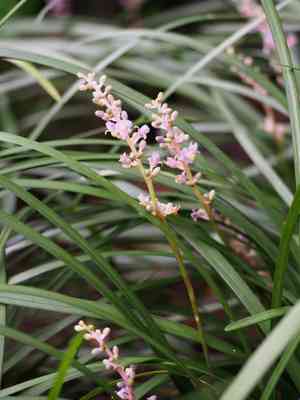
Creeping lilyturf (Liriope spicata)
Also known as: Lilyturf, Liriope
Liriope spicata, also known as creeping lilyturf, is a herbaceous flowering plant native to East Asia. It is widely utilized in landscaping as ground cover and produces blackish berries in the autumn.
In This Article
Attributes of Creeping lilyturf
Lifespan
Perennial, Annual
Plant Type
Herb
Plant Height
46 cm
Spread
40 cm
Leaf Color
Green
Flower Size
2.5 cm to 8 cm
Flower Color
White Purple Pink Lavender Violet Mauve
Images of Creeping lilyturf
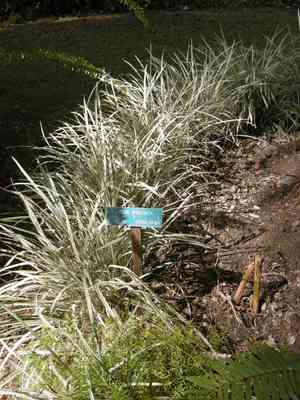
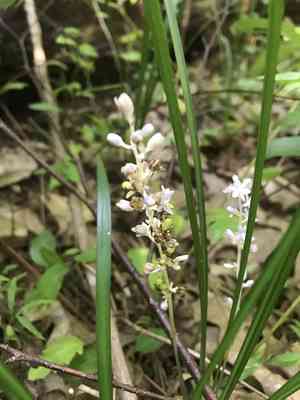
Quickly Identify Creeping lilyturf
1
Dark green leaves up to 18 inches (45 cm) with serrated margins
2
Pale violet to off-white flowers in spike-like clusters on short stalks
3
Blue-black berries, spherical, 0.3 inches (8 mm) diameter, clustered like pearls
4
Grass-like leaves, dark green, smooth-edged, shifts to bronze-green in winter
Scientific Classification of Creeping lilyturf
Phylum
Vascular plants
Class
Monocotyledons
Order
Asparagus and allies
Family
Asparagus
Genus
Lilyturfs
Species
Creeping lilyturf
Planting and Growing of Creeping lilyturf
Care Difficulty
Easy
Watering Schedule
Every 4 days
Sunlight Requirements
Partial sun
Sunshine Duration
6-8 hours
Ideal Temperature
60-75℉
Soil Type
Potting Mix, Peat Mix
Soil pH
6.5-7.5
Fertilizer Type
Balanced
Pruning Season
Spring, Summer
Pruning Area
Branches, Leaves
Pruning Frequency
2 times a year
Repotting Season
Spring
Pot Type
Plastic, Terracotta
 How to Water Creeping lilyturf?
Ensure that each watering session thoroughly moistens the soil, allowing water to seep through to the roots without leaving the soil waterlogged. This will typically require about 500 ml of water per session, depending on the pot size and environmental conditions.
What are the symptoms of an underwatered Creeping lilyturf?
›
What should I do if my Creeping lilyturf is not getting enough water?
›
What are the symptoms of an overwatered Creeping lilyturf?
›
How to save an overwatered Creeping lilyturf?
›
 What Are the Sunlight Requirements for Creeping lilyturf?
Liriope spicata benefits from partial sun to full shade conditions, ideally receiving about 3-6 hours of dappled sunlight. This light range maintains healthy growth, encouraging vibrant foliage and floral displays.
More About Sunlight Requirements Techniques→
What is the best lighting condition for Liriope spicata?
›
How can you achieve the ideal lighting for this plant?
›
What benefits can be seen with ideal lighting for Liriope spicata?
›
 What Is the Ideal Temperature Range for Creeping lilyturf?
The ideal temperature range for Liriope spicata growth is between 60°F and 75°F. Within this range, the plant is able to properly photosynthesize, take up nutrients effectively, and maintain robust health. These temperatures typically mimic the mild conditions of its native environment, allowing the Liriope spicata to thrive without stress.
 What Soil is Best for Creeping lilyturf?
Liriope spicata thrives in well-drained soil, ensuring that its roots do not stand in water, which can cause root rot. Well-drained conditions promote healthy growth and facilitate proper nutrient uptake. This plant benefits from soil with moderate fertility. The presence of nutrients supports lush foliage and vibrant blooming, which is crucial in ornamental landscape settings. Incorporating organic matter into the soil enhances its nutrient content and improves moisture retention. This enriches the plant's root environment, fostering robust growth.
 How to Fertilize Creeping lilyturf?
For Liriope spicata, applying the right amount of fertilizer is essential to ensure healthy growth. Typically, use a balanced 10-10-10 NPK fertilizer. For liquid fertilizers, mix 1 tablespoon per gallon of water. For granular slow-release fertilizers, apply about 1 pound per 100 square feet. Avoid excessive amounts to prevent burning the roots.
 How to Prune Creeping lilyturf?
Use clean, sharp gardening scissors or shears to ensure a precise cut and to avoid plant damage. Tools should be disinfected before and after use to prevent the spread of diseases between plants. A good pair of gloves is advisable to protect your hands while working. While pruning, check for any signs of pests or diseases that may need attention. Removing infected sections can prevent the problem from spreading. Additionally, be observant about the plant's overall structure and make cuts that promote a healthy and balanced growth pattern. If your Liriope spicata appears lackluster, consider checking soil quality and sunlight exposure as part of its overall care.
More About Pruning Techniques→
 How to Propagate Creeping lilyturf plant?
1
Before dividing Liriope spicata, water the plant thoroughly a day before to ensure the roots are hydrated, reducing stress during the division process. Select a healthy, mature clump for effective division.
2
Using a garden spade, carefully dig around the plant approximately 6 inches from its base. Lift the entire clump and gently shake off excess soil. Use hand pruners to cut through the crown and roots to create healthy divisions.
3
Replant the divisions at the same soil depth as the original plant, either in a garden bed or pots. Water them well to help establish the roots quickly and ensure they are spaced adequately to allow for growth.
 How to Repot Creeping lilyturf plant?
1
Repotting Liriope spicata is necessary when roots start circling the pot or when growth seems stunted. The best time is during early spring or summer when the plant is actively growing, ensuring that it can recover swiftly with new root growth.
2
Select a pot that is one size larger than the current one, with good drainage holes to prevent waterlogging. A slightly wider and deeper pot supports the rhizomatic growth of Liriope spicata and prevents root-bound issues.
3
Opt for a well-draining garden soil mixed with organic matter to ensure nutrients and proper aeration. This kind of soil mimics their natural habitat, providing a robust environment for root expansion and plant health.



