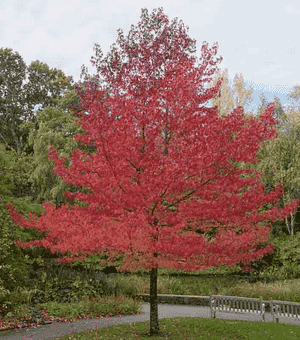
Sweetgum (Liquidambar styraciflua)
Also known as: Redgum, American storax
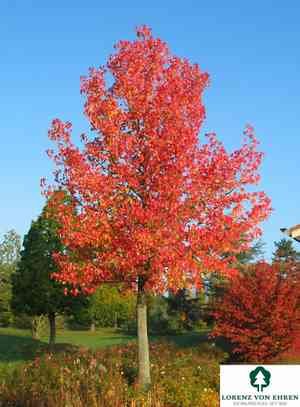
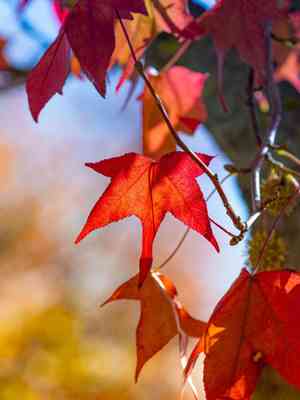
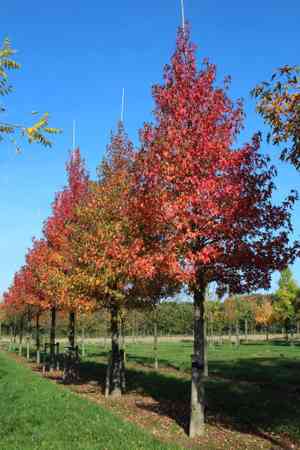
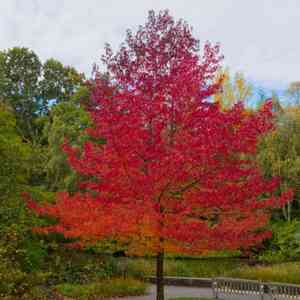
Sweetgum (Liquidambar styraciflua) is a medium-to-large tree native to warm temperate regions of North and Central America. It puts on a brilliant autumn display - the leathery star-shaped foliage turns orange, red, and burgundy, with multicolored individual leaves. Decorative foliage and an elegant straight trunk earned sweetgum a prominent place in parks and treelines around the world.
In This Article
Attributes of Sweetgum
Lifespan
Perennial
Plant Type
Tree
Plant Height
15 m to 46 m
Spread
15 m
Leaf Color
Green Red Orange Purple Yellow White Variegated
Flower Size
2.5 cm to 4 cm
Flower Color
Green Yellow
Images of Sweetgum
Quickly Identify Sweetgum
1
Star-shaped leaves with 5-7 pointed lobes
2
Globose, spiky green fruits turning brown
3
Corky scales on trunk, deeply furrowed bark
4
Alternate, simple leaves with serrate venation
5
Gum balls persisting on branches through winter
Scientific Classification of Sweetgum
Phylum
Vascular plants
Class
Dicotyledons
Order
Saxifragales
Family
Sweet gums
Genus
Sweetgums
Species
Sweetgum
Planting and Growing of Sweetgum
Care Difficulty
Moderate
Watering Schedule
Every 8 days
Sunlight Requirements
Full sun
Sunshine Duration
6-10 hours
Ideal Temperature
60-80℉
Soil Type
Potting Mix, Peat Mix
Soil pH
6-7.5
Fertilizer Type
Balanced
Pruning Season
Spring, Summer
Pruning Area
Branches, Leaves
Pruning Frequency
2 times a year
Repotting Season
Spring
Pot Type
Plastic, Terracotta
 How to Water Sweetgum?
For Liquidambar styraciflua, watering should be consistent yet measured. Ensure the soil is thoroughly moist but not waterlogged. Typically, you should be aiming for about 500 ml per watering session, allowing for complete saturation without pooling water on the surface.
More About Watering Techniques→
What are the symptoms of an underwatered Sweetgum?
›
What should I do if my Sweetgum is not getting enough water?
›
What are the symptoms of an overwatered Sweetgum?
›
How to save an overwatered Sweetgum?
›
 What Are the Sunlight Requirements for Sweetgum?
For optimal growth, Liquidambar styraciflua prefers at least full sun to partial sun conditions. Ensuring this light range supports better foliage coloration, stronger wood formation, and a more vibrant appearance.
More About Sunlight Requirements Techniques→
How much sunlight does Liquidambar styraciflua need?
›
What are the solutions to achieve ideal light conditions?
›
What benefits does ideal lighting offer?
›
 What Is the Ideal Temperature Range for Sweetgum?
Liquidambar styraciflua thrives best in a temperate climate where temperatures range approximately between 60°F and 80°F. These conditions simulate the plant's native habitat, providing an environment conducive to photosynthesis and nutrient uptake. Maintaining this range ensures optimal growth and development, as the plant can effectively utilize resources and generate energy.
 What Soil is Best for Sweetgum?
Liquidambar styraciflua thrives in well-drained soil to prevent root rot. Ensuring good drainage improves air circulation around the roots, promoting healthy growth and vibrant foliage. This plant prefers consistently moist soil, which helps it maintain lush foliage. Regular watering supports its growth, especially during dry spells, ensuring that the plant remains healthy and resilient. A soil rich in organic matter supports the robust growth of Liquidambar styraciflua. Ample nutrients lead to better leaf color and overall tree health, making it a standout in landscapes.
More About Soil→
 How to Fertilize Sweetgum?
For Liquidambar styraciflua, ensure that you use a balanced fertilizer with equal NPK values. Typically, a liquid fertilizer solution should be diluted at about half of the recommended strength to provide nutrients without over-fertilizing, as this tree prefers a more controlled nutrient intake.
More About Fertilizing Techniques→
 How to Prune Sweetgum?
Begin by cutting away any branches that appear dead, damaged, or diseased. This helps prevent the spread of diseases and allows the tree to redirect energy to healthier areas. Look for crowded sections where branches cross or rub against each other. Carefully thin these sections to allow light and air to reach the inner branches, reducing the likelihood of fungal growth. Trim back overly long branches to maintain the tree's natural pyramid shape. Make cuts just above a bud or lateral branch, ensuring that the cut is at a slight angle to promote proper healing. Refrain from heavy pruning that would remove more than 25% of the tree's canopy in one season. Excessive pruning can stress the tree and lead to poor health or stunted growth.
More About Pruning Techniques→
 How to Propagate Sweetgum plant?
1
Scarify and soak the seeds to break dormancy, which enhances germination. Use medium-grit sandpaper to lightly scratch the seed coat, and then soak seeds in warm water for 24 hours before planting.
2
Choose semi-hardwood cuttings from a healthy plant in late winter. Remove the leaves from the lower half of the cutting and dip the cut end in rooting hormone to promote root growth.
3
For grafting, select a healthy scion and rootstock, ensuring compatibility. Perform a whip graft, aligning the vascular cambium of both pieces. Secure the graft with grafting tape until the union is complete.
 How to Repot Sweetgum plant?
1
Liquidambar styraciflua, commonly known as American Sweetgum, should be considered for repotting when its roots outgrow the current pot, water drains too quickly, or growth appears stunted. The best time for this is during the growing season, specifically in spring or early summer, when the plant is actively growing and can recover faster from transplant shock.
2
Select a pot that is one to two inches larger in diameter than the existing one, with ample drainage holes to prevent waterlogging. A suitably sized pot ensures room for root expansion, promoting healthy growth. Clay or ceramic pots work well as they provide stability and moisture retention, aiding in optimal plant health.
3
An ideal soil mix for Liquidambar styraciflua should be well-draining yet moisture-retentive, composed of loam with a mix of organic matter like compost or peat moss. This soil prevents root rot while supplying essential nutrients, fostering vigorous growth and vibrant foliage development.



