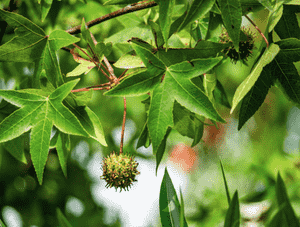
Oriental sweet gum (Liquidambar orientalis)
Also known as: Oriental Sweetgum, Turkish Liquidambar
The colorful autumn leaves of oriental sweet gum (Liquidambar orientalis) have made it a tourist attraction in Turkey, where certain regions are set aside as nature reserves and preservation areas for the tree. Its sap is used to make oil products that are critical to the local economies of Turkey and Greece. Products are sold in America with the name, "styrax."
In This Article
Attributes of Oriental sweet gum
Lifespan
Perennial
Plant Type
Tree
Plant Height
6 m to 9 m
Spread
6 m
Leaf Color
Yellow Red Green Orange
Flower Size
2.5 cm
Flower Color
Green
Images of Oriental sweet gum
Quickly Identify Oriental sweet gum
1
To identify Liquidambar orientalis, look for its distinctive star-shaped leaves with five to seven lobes. The leaves turn from green to shades of yellow, orange, red, and purple in autumn. The tree\'s bark is grayish and deeply furrowed, producing a fragrant resin.
Scientific Classification of Oriental sweet gum
Phylum
Vascular plants
Class
Dicotyledons
Order
Saxifragales
Family
Sweet gums
Genus
Sweetgums
Species
Oriental sweet gum
Planting and Growing of Oriental sweet gum
Care Difficulty
Easy
Watering Schedule
Every 2 days
Sunlight Requirements
Full sun
Sunshine Duration
4-8 hours
Ideal Temperature
60-77℉
Soil Type
Potting Mix, Peat Mix
Soil pH
6.5-7.5
Fertilizer Type
Balanced
Pruning Season
Spring, Summer
Pruning Area
Branches, Leaves
Pruning Frequency
2 times a year
Repotting Season
Spring
Pot Type
Plastic, Ceramic
 How to Water Oriental sweet gum?
For Liquidambar orientalis, water with about 500 ml until the topsoil feels moderately moist. This tree doesn't need to be waterlogged; make sure the water penetrates a few inches into the soil but does not form puddles.
What are the symptoms of an underwatered Oriental sweet gum?
›
What should I do if my Oriental sweet gum is not getting enough water?
›
What are the symptoms of an overwatered Oriental sweet gum?
›
How to save an overwatered Oriental sweet gum?
›
 What Are the Sunlight Requirements for Oriental sweet gum?
Positioning Liquidambar orientalis in a full sun to partial sun environment ensures it receives 6 to 8 hours of direct sunlight. This encourages strong growth and vibrant leaf colors, especially during autumn.
What is the best type of sunlight for Liquidambar orientalis?
›
How to provide optimal lighting conditions in a garden?
›
What are the benefits of ideal sunlight exposure?
›
 What Is the Ideal Temperature Range for Oriental sweet gum?
Liquidambar orientalis thrives best within a temperature range of 60 to 77 degrees Fahrenheit. This range provides the optimal conditions for photosynthesis and overall plant health, allowing the tree to grow robustly and develop its distinctive foliage. The moderate warmth supports cellular processes and maintains the right balance of soil moisture.
 What Soil is Best for Oriental sweet gum?
Liquidambar orientalis thrives in well-drained soils, which help prevent root rot and other water-related diseases. Ensuring good drainage allows the roots to access oxygen more efficiently, promoting healthier growth. For optimal growth, Liquidambar orientalis benefits from a nutrient-rich soil. Fertile soil provides essential nutrients that support the vibrant foliage and overall tree health, contributing to a robust and attractive landscape presence. This plant prefers consistently moist soil, which helps maintain its lush, ornamental appeal. Keeping the soil moist ensures that the plant remains hydrated, supports cellular functions, and aids in nutrient uptake.
 How to Fertilize Oriental sweet gum?
For Liquidambar orientalis, the fertilizer amount depends on the plant's size and age. Young trees benefit from a higher nitrogen ratio to support their growth, while mature trees require balanced nutrients. Typically, use a 10-10-10 NPK fertilizer at a rate of 1 pound per inch of trunk diameter.
 How to Prune Oriental sweet gum?
Begin by removing any dead, diseased, or damaged branches. This not only prevents potential hazards but also promotes vigorous growth. Next, thin out the canopy by cutting back overgrown branches to improve air circulation. Finish by trimming sideshoots for shape and aesthetics.
More About Pruning Techniques→
 How to Propagate Oriental sweet gum plant?
1
Harvest seeds from mature Liquidambar orientalis fruit in autumn. Ensure seeds are ripe by checking their color and texture. Dry collected seeds thoroughly before storage.
2
Use a well-draining soil mix, preferably soilless, to provide the ideal environment for seed germination or cutting rooting. Sterilize the soil to minimize disease risk.
3
Sow seeds evenly in prepared trays and lightly cover them with soil. Maintain consistent moisture and place the trays in a warm, well-lit area for successful germination.
 How to Repot Oriental sweet gum plant?
1
Liquidambar orientalis shows signs of needing repotting when its roots start to peek through the drainage holes of the current pot or when the plant seems root-bound and shows stunted growth. Ideally, repot in spring or summer for minimal stress to the plant.
2
Select a pot that is one size larger than the current one, with adequate drainage holes to ensure excess water can escape. This prevents root rot and provides space for the roots to grow. A terracotta pot can help regulate moisture, promoting a healthy root system.
3
Opt for a well-draining potting mix, preferably with some organic matter like peat or compost. This type of soil prevents waterlogging, promotes air circulation, and ensures the roots receive adequate oxygen for optimal growth.



