Flax(Linum usitatissimum)

Flax (Linum usitatissimum)

Also known as: Linseed

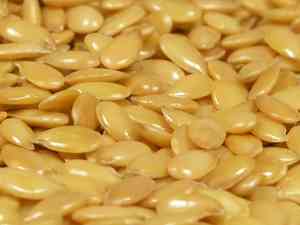
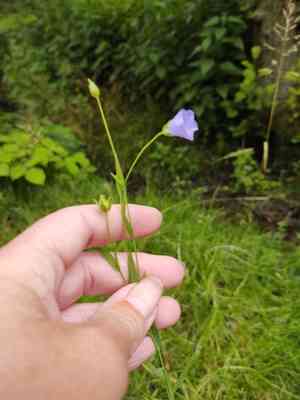
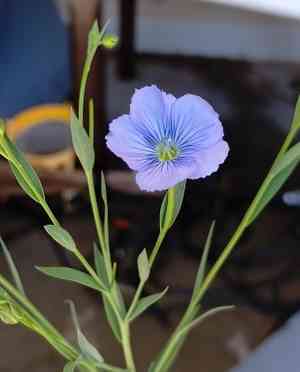
Flax (Linum usitatissimum) is an annual plant known for its slender stems and narrow leaves, typically growing between 61 to 91 cm (2 to 3 feet) tall. It features sky-blue flowers that bloom in summer, each of which develops into a seed pod containing 4 to 10 seeds. Flax is primarily grown for its versatile uses, including fiber production, linseed oil, and edible seeds.

Ideal growing conditions for flax include full sunlight and cool temperatures. The plant thrives in well-drained, fertile soil with a pH range of 6.0 to 7.5. Consistent moisture is crucial, though it should not be waterlogged.

Flax serves multiple purposes:
1. **Fiber**: The plant's fibers are processed to create linen textiles.
2. **Culinary**: Flaxseeds are consumed whole, ground, or as oil, valued for their nutritional content, especially omega-3 fatty acids.
3. **Industrial**: Linseed oil is utilized in various industrial products like paints and coatings.

By providing the right environmental conditions, flax can be successfully cultivated for its numerous beneficial applications.

Attributes of Flax

Lifespan
Annual, Perennial
Plant Type
Herb
Plant Height
1.2 m
Spread
20 cm to 25 cm
Leaf Color
Green
Flower Size
1.5 cm to 2.5 cm
Flower Color
Blue

PlantJoy - Identify plants with a snap

Identify and diagnose plants, get toxicity alerts, and explore safety guides for all types of fungi.

Try for Free

Images of Flax

Flax(Linum usitatissimum)

Quickly Identify Flax

1
Erect annual herb, reaching 12-36 inches (30-90 cm) in height.
2
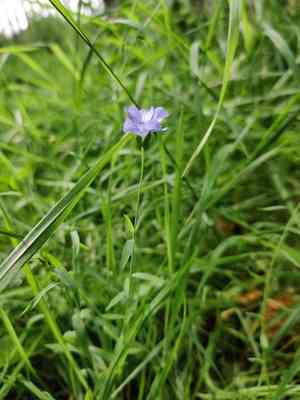
Pale blue flowers with 5 broad, spreading petals, forming star-like shape.
3
Simple, narrow leaves, 0.79-1.18 inches (2-3 cm) long, smooth-margined.

Scientific Classification of Flax

Phylum
Vascular plants
Class
Dicotyledons
Order
Nances, spurges, willows and allies
Family
Flax
Genus
Flaxes
Species
Flax

Planting and Growing of Flax

Care Difficulty
Easy
Watering Schedule
Every 8 days
Sunlight Requirements
Full sun
Sunshine Duration
6-8 hours
Ideal Temperature
60-77℉
Soil Type
Potting Mix, Peat Mix
Soil pH
6.5-7.5
Fertilizer Type
Balanced
Pruning Season
Spring, Summer
Pruning Area
Branches, Leaves
Pruning Frequency
2 times a year
Repotting Season
Spring
Pot Type
Plastic, Ceramic

water icon How to Water Flax?

For Linum usitatissimum, also known as flax, the ideal watering amount is about 500 milliliters per session. It’s important to ensure the soil is moist but not waterlogged. The general principle is to maintain even moisture, checking that the top inch remains slightly damp without excess pooling.
What are the symptoms of an underwatered Flax?
What should I do if my Flax is not getting enough water?
What are the symptoms of an overwatered Flax?
How to save an overwatered Flax?

sunlight icon What Are the Sunlight Requirements for Flax?

Sunlight Requirements: Full sun, Partial sun
Duration of light: 6 to 8 hours
Linum usitatissimum thrives in full sun. Ideal sunlight conditions encourage denser growth and vibrant blooms, making the plant healthier and more visually appealing.
How much sunlight does Linum usitatissimum need?
How can I ensure Linum usitatissimum gets ideal lighting?
What benefits does ideal lighting provide?
More About Sunlight Requirements Techniques

temperature icon What Is the Ideal Temperature Range for Flax?

Ideal Temperature: 60 ~ 77℉
Flax (Linum usitatissimum) thrives best in a temperature range of 60 to 77 degrees Fahrenheit. This range provides an optimal environment for photosynthesis and nutrient uptake, ensuring vigorous growth and development of the plant. Within this temperature window, the plant can effectively produce seeds and fibers, yielding the desired agricultural outcomes.

soil icon What Soil is Best for Flax?

Soil type: Loam, Sandy loam, Clay soil
Soil PH: 6.5 ~ 7.5
Linum usitatissimum thrives in nutrient-rich soils, as the ample supply of essential minerals supports vigorous growth and robust seed production, directly benefiting its overall health and yield. This plant favors well-draining soil conditions, where excess moisture is efficiently eliminated, reducing the risk of root rot and promoting healthier and stronger root systems essential for nutrient absorption. Linum usitatissimum requires a balance in soil moisture; while it needs consistent moisture, it also needs to avoid waterlogged conditions, as this equilibrium facilitates optimal growth without stress.

fertilize icon How to Fertilize Flax?

Fertilizer type: Balanced
When fertilizing Linum usitatissimum, use a balanced liquid fertilizer (such as 10-10-10) at half the strength recommended on the label. For every application, you only need about 1 teaspoon per gallon of water, ensuring the soil is dampened without being waterlogged.

prune icon How to Prune Flax?

Pruning Time: Spring, Summer
Prune your Linum usitatissimum in early spring or summer when new growth begins. Always use sanitized tools to prevent disease spread. Avoid cutting back too close to the base, leaving enough stem above ground for regrowth. To encourage more blossoms, deadhead spent flowers promptly. This helps prolong the blooming period and maintains the plant's aesthetic appeal. Be gentle during this process to minimize plant stress and ensure continued flowering cycles. More About Pruning Techniques

propagate icon How to Propagate Flax plant?

Propagate Time: Spring, Early spring
1
Start by filling the seed tray with a light potting mix. The soil should be well-draining but capable of holding moisture. Moisten the soil before planting the seeds.
2
Sprinkle the Linum usitatissimum seeds evenly across the surface of the soil. Lightly press them into the soil without burying them too deeply to allow proper germination.
3
Place the seed tray in a location that receives plenty of sunlight. Keep the soil consistently moist but not soggy, using a spray bottle to avoid disturbing the seeds.
More About Propagating Techniques

repot icon How to Repot Flax plant?

Repotting frequency: Every 1-2 years
1
Linum usitatissimum generally needs repotting when you notice it becoming root-bound, evidenced by roots growing through drainage holes, or if the plant's growth has visibly slowed. The best time is during its active growth periods, mainly in spring and early summer, to allow it to settle into its new home more comfortably.
2
Select a pot that is 1-2 inches larger in diameter than the current one. A pot too large can retain excess moisture, leading to root rot. Opt for materials that offer good drainage like terracotta, which allows the soil to breathe, helping prevent waterlogging and promoting healthier root systems.
3
The ideal soil choice for Linum usitatissimum is a well-drained, sandy loam. This ensures that water flows smoothly through the pot, reducing the risk of waterlogged roots. Adding extra perlite or fine gravel can enhance drainage properties, making it easier for the roots to access necessary nutrients and oxygen.

PlantJoy - Identify plants with a snap

Find the best spots for them to optimize their health, simply using your phone.

Try for Free

Toxicity of Flax

Is Flax toxic to humans?

Flax is classified as a mildly toxic plant species. Its seeds and flowers harbor cyanogenic glycosides, which are harmful compounds. These toxins may lead to minor irritation on sensitive skin, resulting in mild itching and redness that typically resolve within a few minutes after contact. Consuming any part of the plant in large amounts poses toxicity risks. Poisoning symptoms can manifest as nausea, diarrhea, vomiting, and abdominal discomfort. In more serious instances, individuals may experience convulsions and respiratory difficulties. Severe cases can result in paralysis and even death. Accidental ingestion is infrequent, with gardeners being the most vulnerable to exposure from the seeds and flowers.

Is Flax toxic to cat?

Flax poses a significant risk to cats, as various parts of the plant—such as seeds, flowers, fruits, leaves, roots, stems, and sap—can be harmful if ingested accidentally. When exposed to flax, cats might display a variety of symptoms indicative of discomfort or illness. Therefore, it is crucial for pet owners to stay alert and restrict their cats' access to flax. If poisoning is suspected, prompt veterinary attention is vital to safeguard the health and well-being of the affected cat.

Is Flax toxic to dog?

Flax is regarded as toxic to dogs. If dogs accidentally ingest this plant, they risk poisoning. Every part of the plant, encompassing seeds, flowers, fruits, leaves, roots, stems, and sap/juice, harbors toxic substances that threaten canine health. Following the consumption of flax, dogs might display numerous symptoms that suggest poisoning. It is essential for dog owners to keep a close watch on their pets for any signs of discomfort and promptly seek veterinary assistance if poisoning is feared.

Identify toxic plants for your safety

Learn which plants are harmful to you and your pets, and make informed choices for a safer home!

Try for Free
WARNING
The judgment on toxicity and danger is for reference only. We DO NOT GUARANTEE any accuracy of such judgment. Therefore, you SHALL NOT rely on such judgment. It is IMPORTANT TO SEEK PROFESSIONAL ADVICE in advance when necessary.
More About Toxic Techniques