Scarlet flax(Linum grandiflorum)

Scarlet flax (Linum grandiflorum)

Also known as: Crimson flax

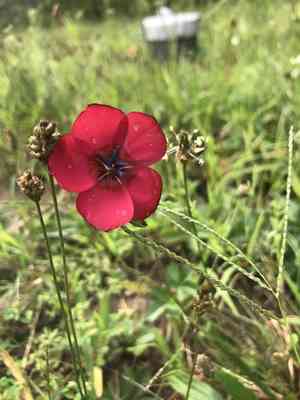
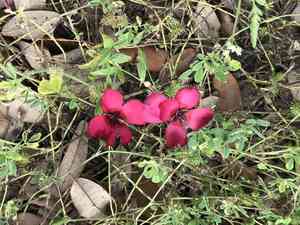
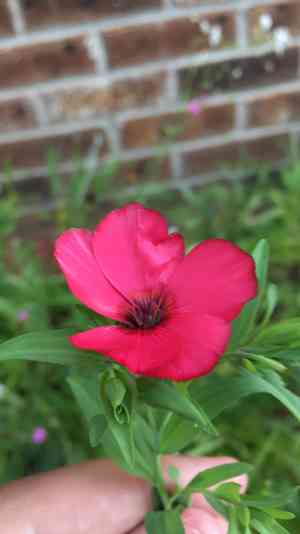
Scarlet flax, originally from Algeria, has spread to various other regions globally. This vibrant annual plant showcases striking red blooms with light blue pollen. Despite its appealing name, scarlet flax is not meant to be eaten.

Attributes of Scarlet flax

Lifespan
Annual, Biennial, Perennial
Plant Type
Herb
Plant Height
45 cm
Spread
20 cm
Leaf Color
Green
Flower Size
2-3 cm
Flower Color
Red White Pink

ForwardPlant - Identify plants with a snap

Identify and diagnose plants, get toxicity alerts, and explore safety guides for all types of fungi.

Try for Free

Images of Scarlet flax

Scarlet flax(Linum grandiflorum)

Quickly Identify Scarlet flax

1
Funnel-shaped blooms in vibrant reds to soft pinks, up to 1.6 inches (4 cm) across.
2
Petals edged in black on deep scarlet flowers, 1.5 inches (4 cm) in diameter.

Scientific Classification of Scarlet flax

Phylum
Vascular plants
Class
Dicotyledons
Order
Nances, spurges, willows and allies
Family
Flax
Genus
Flaxes
Species
Scarlet flax

Planting and Growing of Scarlet flax

Care Difficulty
Easy
Watering Schedule
Every 5 days
Sunlight Requirements
Full sun
Sunshine Duration
6-8 hours
Ideal Temperature
60-70℉
Soil Type
Potting Mix, Peat Mix
Soil pH
6.5-7.5
Fertilizer Type
Balanced
Pruning Season
Spring, Summer
Pruning Area
Branches, Leaves
Pruning Frequency
2 times a year
Repotting Season
Spring
Pot Type
Plastic, Ceramic

water icon How to Water Scarlet flax?

Linum grandiflorum prefers a moderate watering approach where the soil is kept consistently moist but not waterlogged. Aim for approximately 250 milliliters per session to ensure adequate moisture reaches the root zone while avoiding saturation.
What are the symptoms of an underwatered Scarlet flax?
What should I do if my Scarlet flax is not getting enough water?
What are the symptoms of an overwatered Scarlet flax?
How to save an overwatered Scarlet flax?

sunlight icon What Are the Sunlight Requirements for Scarlet flax?

Sunlight Requirements: Full sun
Duration of light: 6-8 hours daily
Linum grandiflorum prefers full sun for at least 6 to 8 hours daily. Such exposure ensures robust growth, abundant flowering, and better resistance against diseases.
How much light does Linum grandiflorum need?
What solutions are there for optimal light conditions?
What benefits does ideal lighting bring to Linum grandiflorum?
More About Sunlight Requirements Techniques

temperature icon What Is the Ideal Temperature Range for Scarlet flax?

Ideal Temperature: 60 ~ 70℉
The ideal temperature range for Linum grandiflorum is between 60°F and 70°F. This range allows the plant to perform photosynthesis efficiently while also supporting robust root development. Maintaining this temperature ensures that the plant can grow at its best, producing vibrant blooms.

soil icon What Soil is Best for Scarlet flax?

Soil type: Loam, Sandy loam
Soil PH: 6.5 ~ 7.5
Linum grandiflorum thrives in well-drained soil, preventing waterlogging that can lead to root rot. Good drainage ensures healthy root growth and promotes vigorous flowering, making your garden vibrant and lively. This plant prefers soil with moderate fertility, which provides enough nutrients for growth without overwhelming the plant. Balancing soil fertility supports sustained blooming and helps maintain plant health throughout the growing season. Keeping the soil consistently moist aids in preventing stress for Linum grandiflorum. Moisture retention supports steady growth and bloom development, ensuring continuous bursts of color in your garden.

fertilize icon How to Fertilize Scarlet flax?

Fertilizer type: Balanced
For Linum grandiflorum, maintain a moderate approach when applying fertilizers. Use a balanced liquid fertilizer diluted to half-strength. Typically, 1-2 teaspoons per gallon of water should suffice. This ensures the plant gets adequate nutrients without risk of over-fertilization.

prune icon How to Prune Scarlet flax?

Pruning Time: Spring, Summer
During mid-summer, trim back up to one-third of the plant's bulk to maintain its shape and vigor. This also helps prevent the plant from becoming leggy and overgrown, ensuring a tidy and healthy appearance. More About Pruning Techniques

propagate icon How to Propagate Scarlet flax plant?

Propagate Time: Spring,Early summer
1
Choose seeds from reputable sources to ensure they are healthy and viable. Fresh, high-quality seeds have a better success rate in germinating and developing into strong plants.
2
Prepare a well-draining soil mixture to fill your seed trays or pots. A mix of peat, sand, and compost works well for Linum grandiflorum. Ensure the soil is moist but not waterlogged before planting seeds or cuttings.
3
Plant the seeds or insert cuttings into the prepared soil, ensuring they are properly spaced to allow for adequate air circulation. Cover seeds lightly with soil, and mist with water to provide moisture without causing soil compaction.
More About Propagating Techniques

repot icon How to Repot Scarlet flax plant?

Repotting frequency: Every two years
1
Repot Linum grandiflorum when you notice its roots peeking out of the drainage holes, or its growth has become stunted. This typically happens every two years, during its dormancy before the growing season in spring starts. A timely repotting ensures the plant has enough room to expand its roots comfortably.
2
Choose a pot slightly larger than its current one, ideally with sufficient drainage holes. A pot about an inch or two wider provides ample space for root growth without overwhelming the plant. The drainage holes prevent waterlogging, protecting the roots from rot while keeping the plant happy and healthy.
3
Opt for a well-drained, sandy loam soil. This soil type mimics the plant's natural habitat in the Mediterranean and ensures excellent drainage and aeration. The well-aerated soil prevents water from sitting around the roots, reducing the risk of root rot and promoting healthy growth.

ForwardPlant - Identify plants with a snap

Find the best spots for them to optimize their health, simply using your phone.

Try for Free

Toxicity of Scarlet flax

Is Scarlet flax toxic to humans?

Scarlet flax presents a moderate toxicity risk to humans if ingested. The entire plant harbors cyanogenic glycosides, which can be detrimental upon consumption. When ingested, these compounds can convert into hydrogen cyanide, a potent toxin that disrupts cellular oxygen transport. Symptoms of poisoning might include difficulty breathing, nausea, vomiting, and possible convulsions. The severity of these symptoms can fluctuate based on the quantity consumed. Since scarlet flax is seldom eaten as food, poisoning is most likely to occur due to accidental ingestion. It is crucial for individuals to recognize the dangers linked to handling or inadvertently consuming any part of scarlet flax in order to avert potential health risks.

Is Scarlet flax toxic to cat?

Scarlet flax presents a moderate toxicity risk to felines. If a cat consumes any part of this plant, such as the leaves, stems, or flowers, it may suffer poisoning due to the cyanogenic glycosides present within. This could lead to symptoms indicating physical discomfort or illness, making an urgent visit to a veterinary clinic essential for timely intervention. To protect cats, it is highly recommended to prevent them from inadvertently ingesting any part of scarlet flax.

Is Scarlet flax toxic to dog?

The scarlet flax plant species presents a moderate toxicity risk to dogs. Canines may inadvertently consume various parts of this plant, which can result in possible poisoning. If a dog ingests any portion of scarlet flax, given that the entire plant is toxic, they may show symptoms characteristic of poisoning. These symptoms may manifest as vomiting, diarrhea, abdominal discomfort, and in severe cases, respiratory issues stemming from the presence of cyanogenic glycosides. Dog owners must diligently supervise their pets and restrict access to scarlet flax. Should a dog ingest scarlet flax, prompt veterinary care is essential to address the symptoms and safeguard the animal's health and well-being.

Identify toxic plants for your safety

Learn which plants are harmful to you and your pets, and make informed choices for a safer home!

Try for Free
WARNING
The judgment on toxicity and danger is for reference only. We DO NOT GUARANTEE any accuracy of such judgment. Therefore, you SHALL NOT rely on such judgment. It is IMPORTANT TO SEEK PROFESSIONAL ADVICE in advance when necessary.
More About Toxic Techniques