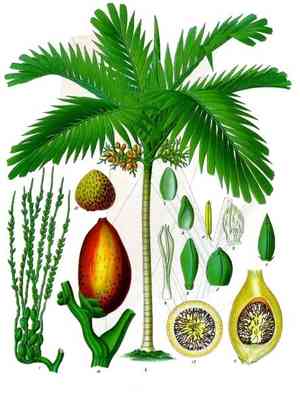
Linospadix (Linospadix) (Linospadix)
Also known as: Walking Stick Palm, Linospadix Minor
Palms, famous for their tropical appeal with large, feather-like leaves, offer much more than just visual beauty. For instance, some palms are cultivated for their valuable oils, while others provide edible fruits like dates and coconuts. In various cultures, palm leaves and bark are utilized for practical purposes such as creating roofs and weaving mats. Coconut palms, in particular, are notable not only for their significant height but also for their versatile coconuts, which are used in many culinary and non-culinary applications. Palms also play important roles in cultural symbolism and traditional medicine.
In This Article
Attributes of Linospadix (Linospadix)
Lifespan
Perennial
Plant Height
Up to 4 meters
Spread
Up to 1 meter
Leaf Color
Green
Flower Size
Small, about 0.5 cm
Flower Color
White to cream
Images of Linospadix (Linospadix)

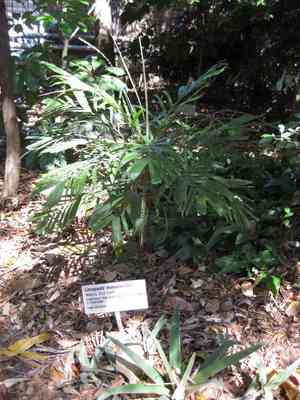
Quickly Identify Linospadix (Linospadix)
1
Linospadix palms can be identified by their slender trunks, pinnate leaves, and the presence of clusters of small red fruit. Their trunk resembles a walking stick, which is a key identification trait.
Scientific Classification of Linospadix (Linospadix)
Phylum
Magnoliophyta
Class
Liliopsida
Order
Arecales
Family
Arecaceae
Genus
Linospadix
Planting and Growing of Linospadix (Linospadix)
Care Difficulty
Moderate
Watering Schedule
Every 3 days
Sunlight Requirements
Partial sun
Sunshine Duration
6-10 hours
Ideal Temperature
65-80℉
Soil Type
Potting Mix, Peat Mix
Soil pH
5.5-6.8
Fertilizer Type
Balanced
Pruning Season
Spring, Summer
Pruning Area
Branches, Leaves
Pruning Frequency
2 times a year
Repotting Season
Spring
Pot Type
Plastic, Ceramic
 How to Water Linospadix (Linospadix)?
For Linospadix, the watering amount should mimic a consistent yet moderate rainfall. Ideally, the soil should be soaked to a depth of about 1 to 2 inches, ensuring the roots receive adequate moisture without waterlogging. This often amounts to approximately 500 milliliters per session, depending on the pot size and environment.
What are the symptoms of an underwatered Linospadix (Linospadix)?
›
What should I do if my Linospadix (Linospadix) is not getting enough water?
›
What are the symptoms of an overwatered Linospadix (Linospadix)?
›
How to save an overwatered Linospadix (Linospadix)?
›
 What Are the Sunlight Requirements for Linospadix (Linospadix)?
Linospadix prefers partial sun to full shade conditions. Ensuring this light level promotes healthy growth, robust foliage, and overall plant vitality, maximizing both its aesthetic and biological functions.
What is the best light condition for Linospadix?
›
How can I ensure Linospadix gets its ideal lighting?
›
What are the benefits of providing ideal light to Linospadix?
›
 What Is the Ideal Temperature Range for Linospadix (Linospadix)?
Linospadix thrives in environments that consistently stay within 65°F to 80°F. These temperatures support optimal growth and photosynthesis, helping the plant to develop robustly and remain healthy without stress.
 What Soil is Best for Linospadix (Linospadix)?
Linospadix prefers well-draining soil to prevent root rot. This is crucial for avoiding waterlogged conditions, which can harm the plant's roots. Efficient drainage encourages robust root growth, promoting a healthier and more vibrant plant. Rich, organic soil is essential to supply the necessary nutrients for Linospadix, enhancing plant vitality and growth. An abundance of organic matter supports microbial activity, which further aids in nutrient uptake by the plant. While Linospadix needs good drainage, the soil should also retain some moisture due to its tropical nature. This balance helps maintain constant hydration, essential for the plant's lush and green appearance while avoiding stress caused by drying out.
 How to Fertilize Linospadix (Linospadix)?
Linospadix plants generally require a moderate amount of fertilizer. It is crucial to balance nutrients to avoid both deficiency and excess. A general guideline is to use half the recommended amount of a balanced liquid fertilizer specific to palms during the growing season. This ensures they receive adequate nutrition without overwhelming their root systems.
 How to Prune Linospadix (Linospadix)?
To effectively prune your Linospadix, begin by sanitizing your pruning shears to prevent the spread of disease. Focus on removing any dead or brown fronds, making sure to cut them flush to the trunk to promote a clean and healthy appearance. Be careful not to cut too close to the crown, as this can harm new growth. Regularly remove any suckers growing from the base, which allows the main trunk to thrive and maintain its graceful form.
 How to Propagate Linospadix (Linospadix) plant?
1
Gather mature seeds from the Linospadix fruit. It's important to ensure the seeds are ripe for successful germination. Clean them thoroughly to remove any pulp or residue.
2
Use a well-draining potting mix composed of peat, perlite, and sand. This mix provides the necessary aeration and moisture retention to support seedling growth.
3
Transfer the seeded trays or pots into a greenhouse or a warm, humid environment. This setup provides consistent temperatures and humidity, which are crucial for successful propagation.
 How to Repot Linospadix (Linospadix) plant?
1
Linospadix should be repotted when you notice signs like roots coming out of the drainage holes or when the plant looks top-heavy. Early spring or summer is an ideal time as the plant is in its active growth phase, making it more resilient to changes and damage to the root system.
2
Select a pot that is about 2 inches larger in diameter than the current one. It should have good drainage holes to prevent waterlogging. A slightly bigger pot encourages root growth, stabilizing the plant and providing more space for nutrient uptake.
3
A well-draining potting mix is crucial for Linospadix. Look for a mix that includes components like peat, perlite, and pine bark. This allows for good aeration and water retention, while preventing root rot and providing the necessary environment for healthy root expansion.
Learn More About Linospadix (Linospadix) Diseases
Anthracnose
Bacterial Leaf Spot
Bacterial Soft Rot
Black Spot
Chemical Injury
Crown Gall
Cyst Nematode
Damping-off
Downy Mildew
Drought Stress
Fusarium Wilt
Gray Mold
Leaf Curl
Leaf Spot
Mosaic
Nutrient Deficiency
Nutrient Toxicity
Powdery Mildew
Root Rot
Root-knot Nematode
Rusts
Sooty Mold
Spider Mites
Temperature Stress
Thrips Damage
White Mold

