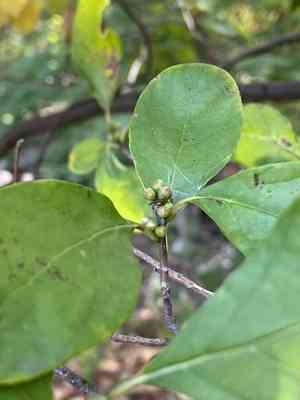
Northern spicebush (Lindera benzoin)
Also known as: Benjamin bush, Common spicebush
The American persimmon (*Diospyros virginiana*) is a native North American plant species found from Maine to Florida. Known as a marker of fertile agricultural land, this plant is an essential food source for wildlife, particularly attracting over 20 different bird species.
In This Article
Attributes of Northern spicebush
Lifespan
Perennial
Plant Type
Shrub
Plant Height
1.8 m to 3.5 m
Spread
1.8 m to 3.5 m
Leaf Color
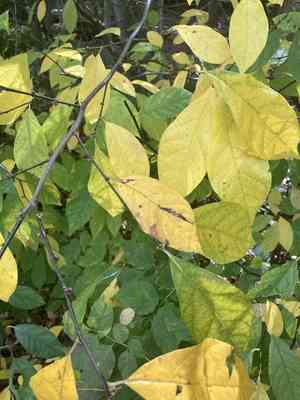
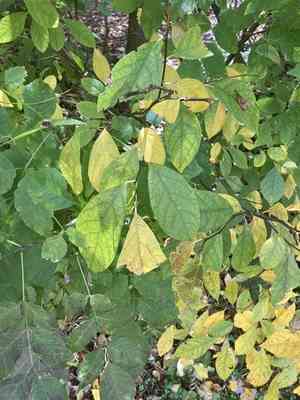
Green Yellow Gold
Flower Size
5 mm
Flower Color
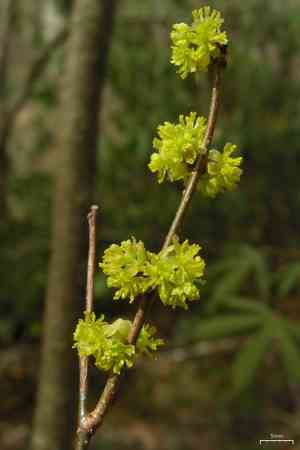
Yellow Green
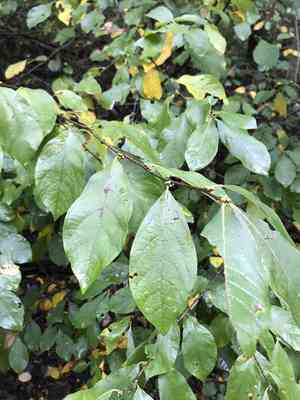
Images of Northern spicebush
Quickly Identify Northern spicebush
1
Medium-sized shrub reaching 8-15 feet (2.4-4.6 meters) in height.
2
Leaves emit spicy fragrance when crushed and turn vibrant yellow in fall.
3
Clusters of greenish-yellow, aromatic flowers blooming before foliage.
4
Bright scarlet red drupes measuring 1/2 inch (1.27 cm) in width.
5
Slender stem with smooth texture, exuding spicy fragrance when crushed.
Scientific Classification of Northern spicebush
Phylum
Vascular plants
Class
Dicotyledons
Order
Laurales
Family
Laurel
Genus
Spicewoods
Species
Northern spicebush
Planting and Growing of Northern spicebush
Care Difficulty
Easy
Watering Schedule
Every 3 days
Sunlight Requirements
Partial sun
Sunshine Duration
6-8 hours
Ideal Temperature
60-75℉
Soil Type
Potting Mix, Peat Mix
Soil pH
5.5-6.5
Fertilizer Type
Balanced
Pruning Season
Spring, Summer
Pruning Area
Branches, Leaves
Pruning Frequency
2 times a year
Repotting Season
Spring
Pot Type
Plastic, Ceramic
 How to Water Northern spicebush?
For Lindera benzoin, also known as spicebush, it's crucial to maintain moist but not waterlogged soil. Aim for around 500 ml of water per session to retain the right level of moisture. Ensure the soil drains well to avoid pooling, which can lead to root rot.
What are the symptoms of an underwatered Northern spicebush?
›
What should I do if my Northern spicebush is not getting enough water?
›
What are the symptoms of an overwatered Northern spicebush?
›
How to save an overwatered Northern spicebush?
›
 What Are the Sunlight Requirements for Northern spicebush?
Lindera benzoin thrives best in partial to full shade, benefitting from diffused light conditions. Ideal lighting promotes healthy leaf development and enhances the plant's ornamental and aromatic qualities.
More About Sunlight Requirements Techniques→
What is the ideal lighting setup?
›
How can I achieve the ideal lighting?
›
What benefits do ideal lighting conditions provide?
›
 What Is the Ideal Temperature Range for Northern spicebush?
The ideal temperature range for Lindera benzoin, also known as Spicebush, is between 60°F and 75°F. This range provides optimal conditions for growth and reproduction, ensuring the plant receives adequate warmth without the risk of overheating. Maintaining temperatures within this range stimulates healthy photosynthesis and nutrient uptake, contributing to the vibrancy and overall health of the plant.
 What Soil is Best for Northern spicebush?
Lindera benzoin thrives in well-drained soil as it prevents root rot by allowing excess water to escape. Proper drainage ensures that the roots receive the right balance of moisture and air, essential for healthy growth. While good drainage is crucial, Lindera benzoin also requires soil that retains some moisture. This characteristic keeps the roots hydrated during dry spells, promoting consistent growth and preventing stress on the plant. Enriched with organic matter, the soil provides vital nutrients and enhances the soil structure. For Lindera benzoin, organic matter aids in nutrient uptake, fostering robust health and vibrant foliage.
 How to Fertilize Northern spicebush?
For Lindera benzoin, the fertilizer amount should be moderate. A general guideline is to use approximately 1-2 pounds of 10-10-10 balanced fertilizer per 100 square feet of planting area, distributed evenly. Over-fertilizing can cause harm to the plant, so it's crucial to stick to recommended amounts.
 How to Prune Northern spicebush?
During early spring, prune away any dead, damaged, or diseased branches. It's also a good time to lightly shape the plant by cutting back any overly long branches to create a balanced and appealing form. In late summer, focus on removing any suckers or water sprouts growing from the base or along the branches. This will help direct the plant's energy towards more productive growth.
More About Pruning Techniques→
 How to Propagate Northern spicebush plant?
1
Gather seeds from mature Lindera benzoin berries in late summer. Clean and dry them before storing in a cool, dark place until sowing season begins.
2
Cut 4 to 6-inch sections from the current year’s growth in late spring. Ensure each cutting has several nodes and leaves to maximize rooting potential.
3
During early spring, dig up established Lindera benzoin plants and divide the root ball into sections. Each section should have roots and healthy stems attached for successful replanting.
 How to Repot Northern spicebush plant?
1
Look for signs like roots creeping out of drainage holes or if the plant seems to be struggling despite proper care. These are signals that it's time to repot. Ideally, pot your Lindera benzoin in the spring when it's gearing up for active growth. This will help the plant adjust better to the new pot.
2
Select a pot that's 1-2 inches larger in diameter than the current one. Ensure it has good drainage holes to prevent waterlogging, which could lead to root rot. A slightly bigger pot allows room for root expansion and encourages healthier growth. Avoid overly large pots which can retain too much moisture.
3
Opt for well-drained and organic-rich soil. Soil that retains some moisture but drains well prevents root rot and ensures that nutrients are readily available. Incorporate compost or well-aged manure for added nutrients, aiding the plant's health and vigor.
Toxicity
ingestion, contact
WARNING
The judgment on toxicity and danger is for reference only. We DO NOT GUARANTEE any accuracy of such judgment. Therefore, you SHALL NOT rely on such judgment. It is IMPORTANT TO SEEK PROFESSIONAL ADVICE in advance when necessary.
Learn More About Northern spicebush Diseases
Anthracnose
Bacterial Leaf Spot
Crown Gall
Damping-off
Downy Mildew
Drought Stress
Fusarium Wilt
Gray Mold
Leaf Spot
Mosaic
Nutrient Deficiency
Nutrient Toxicity
Powdery Mildew
Root Rot
Root-knot Nematode
Rusts
Sooty Mold
Spider Mites
Temperature Stress
Thrips Damage
White Mold
Chemical Injury
Leaf Curl



