Butter-and-eggs (Linaria vulgaris)
Also known as: Yellow toadflax, Flaxweed
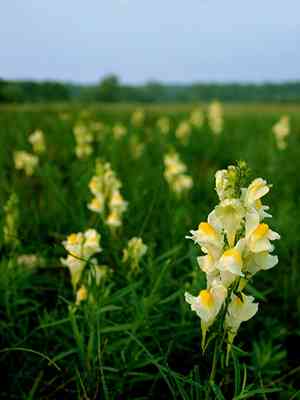
Linaria vulgaris, commonly referred to as "butter-and-eggs," is a flowering toadflax species originally from Europe and Central Asia. This nickname stems from the flower's distinctive appearance, featuring bright yellow petals with an orange throat, reminiscent of butter and egg yolks. The plant is mildly toxic to livestock if ingested. Its unique, semi-closed flowers require robust pollinators such as bumblebees to facilitate pollination.
In This Article
Attributes of Butter-and-eggs
Lifespan
Perennial
Plant Type
Herb
Plant Height
30 cm to 80 cm
Spread
50 cm
Leaf Color
Green
Flower Size
2 cm
Flower Color
Yellow White Orange
Images of Butter-and-eggs
Quickly Identify Butter-and-eggs
1
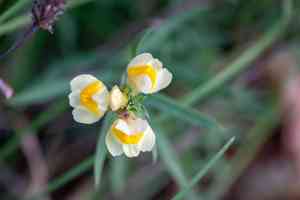
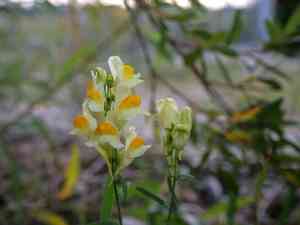
Distinctive yellow and orange snapdragon-like flowers bloom mid-summer to mid-fall.
2
Creeping rhizomes with roots extending up to 10 feet (3 meters) produce offshoots.
3
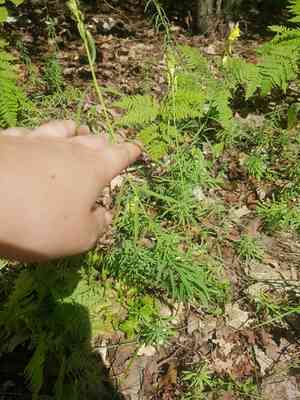
Thin, thread-like leaves with blue or gray-green hue.
4
Bright yellow, 1-inch (2.5 cm) flowers with orange throats in crowded raceme.
5
Fruit is a brown, globe-shaped capsule, 0.3 to 0.4 inches (7 to 10 mm) in diameter.
Scientific Classification of Butter-and-eggs
Phylum
Vascular plants
Class
Dicotyledons
Order
Lamiales
Family
Plantain
Genus
wild snapdragon
Species
Butter-and-eggs
Planting and Growing of Butter-and-eggs
Care Difficulty
Easy
Watering Schedule
Every 6 days
Sunlight Requirements
Full sun
Sunshine Duration
4-8 hours
Ideal Temperature
60-70℉
Soil Type
Potting Mix, Peat Mix
Soil pH
6.5-7.5
Fertilizer Type
Balanced
Pruning Season
Spring, Summer
Pruning Area
Branches, Leaves
Pruning Frequency
2 times a year
Repotting Season
Spring
Pot Type
Plastic, Ceramic
 How to Water Butter-and-eggs?
Linaria vulgaris appreciates being kept moderately moist, which means about 250ml of water per watering. The idea is to maintain a consistency similar to a well-squeezed sponge. This allows the soil to be moist but not soggy, ensuring that roots can breathe and absorb nutrients effectively.
More About Watering Techniques→
What are the symptoms of an underwatered Butter-and-eggs?
›
What should I do if my Butter-and-eggs is not getting enough water?
›
What are the symptoms of an overwatered Butter-and-eggs?
›
How to save an overwatered Butter-and-eggs?
›
 What Are the Sunlight Requirements for Butter-and-eggs?
Linaria vulgaris flourishes under full sun to partial sun conditions, capitalizing on the abundance of direct light. Such exposure encourages vibrant flowering and robust plant health, crucial for its decorative appeal.
More About Sunlight Requirements Techniques→
How much sunlight does it require?
›
What solutions can you employ to ensure ideal light conditions?
›
What are the benefits of optimal lighting conditions?
›
 What Is the Ideal Temperature Range for Butter-and-eggs?
Linaria vulgaris thrives best in an environment where the temperature consistently falls between 60°F and 70°F. This range supports optimal growth, allowing the plant to photosynthesize efficiently and maintain healthy physiological processes. Within this bracket, the plant can achieve its full potential, manifesting robust flowering and foliage.
 What Soil is Best for Butter-and-eggs?
Linaria vulgaris thrives in well-draining soils that prevent waterlogging. This prevents root rot, ensuring the plant remains healthy and able to absorb necessary nutrients effectively. Moderately fertile soil provides enough nutrients for Linaria vulgaris to grow robustly without encouraging excessive leaf growth at the expense of flowers. A soil pH of between 6.5 and 7.5 ensures optimal nutrient availability for Linaria vulgaris, promoting vigorous growth and prolific flowering.
More About Soil→
 How to Fertilize Butter-and-eggs?
Linaria vulgaris doesn't require large amounts of fertilizer. For liquid fertilizers, use a diluted solution at half the recommended strength on the fertilizer packaging. For solid fertilizers, apply only a light dusting around the base of the plant.
More About Fertilizing Techniques→
 How to Prune Butter-and-eggs?
Begin by snipping off faded or dead flowers just above the nearest healthy leaf set. This not only keeps the plant looking tidy but also encourages further flowering by redirecting the plant's energy away from seed production. Identify stems that have grown excessively long or are crowding other plants. Cut these back to maintain the plant’s shape and ensure good air circulation, which helps prevent fungal diseases. Regularly check for and remove any damaged or diseased growth. Cut back to healthy tissue, and dispose of any infected material away from your garden to prevent disease spread.
More About Pruning Techniques→
 How to Propagate Butter-and-eggs plant?
1
Collect mature seeds from the plant and sow them in a seed tray filled with moist potting mix. Cover lightly with soil, ensuring seeds are evenly spread. Water gently with a spray bottle to avoid disturbing the seeds.
2
Choose healthy roots and cut them into segments of about 5-10cm long. Dust the cuts with a fungicidal powder to prevent rot and allow them to callus over for a day before planting them in soil.
3
Once seedlings have true leaves, transplant them to individual pots. Ensure to handle the seedlings gently to avoid damaging delicate roots during this process.
 How to Repot Butter-and-eggs plant?
1
You'll know it's time to repot Linaria vulgaris when its roots start to grow through the drainage holes of its current pot, or when the plant itself seems to be outgrowing its container, appearing cramped or root-bound. Additionally, if the plant's growth seems to be stunted or it dries out more quickly than usual, it could be a sign that repotting is necessary.
2
When selecting a pot for Linaria vulgaris, choose one that is only slightly larger than the current pot, typically one to two inches wider in diameter. Opt for a pot with adequate drainage holes to prevent waterlogged soil, which can cause root rot. A slightly larger pot will allow the plant room to grow while preventing overwatering, ensuring healthier plant development.
3
Opt for a well-draining potting mix composed of ingredients like peat moss, perlite, and coarse sand for Linaria vulgaris. Such a mixture helps to prevent water retention and minimizes the risk of root rot by allowing excess moisture to escape while still providing essential nutrients to the plant. This creates an ideal environment for robust growth.
Toxicity
Ingestion
WARNING
The judgment on toxicity and danger is for reference only. We DO NOT GUARANTEE any accuracy of such judgment. Therefore, you SHALL NOT rely on such judgment. It is IMPORTANT TO SEEK PROFESSIONAL ADVICE in advance when necessary.



