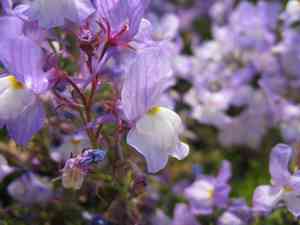
Moroccan toadflax (Linaria maroccana)
Also known as: Morocco toadflax, Garden toadflax
The Moroccan toadflax, scientifically known as *Linaria maroccana*, originates from Morocco. Also called fairy bouquet, this plant is related to the plantain family. It has been introduced to western North America and is commonly cultivated for its ornamental value, showcasing a range of vibrant colors in garden settings.
Attributes of Moroccan toadflax
Images of Moroccan toadflax
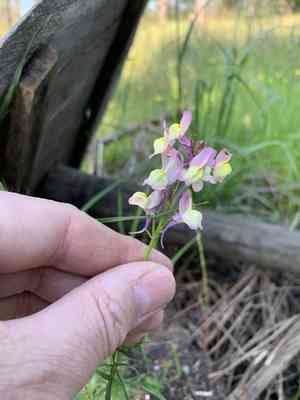
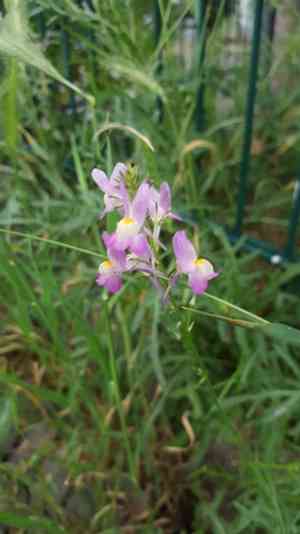


Quickly Identify Moroccan toadflax
Scientific Classification of Moroccan toadflax
Planting and Growing of Moroccan toadflax
 How to Water Moroccan toadflax?
 What Are the Sunlight Requirements for Moroccan toadflax?
 What Is the Ideal Temperature Range for Moroccan toadflax?
 What Soil is Best for Moroccan toadflax?
 How to Fertilize Moroccan toadflax?
 How to Prune Moroccan toadflax?
 How to Propagate Moroccan toadflax plant?
 How to Repot Moroccan toadflax plant?
Toxicity of Moroccan toadflax
Is Moroccan toadflax toxic to humans?
Moroccan toadflax exhibits a moderate degree of toxicity to humans, primarily through the act of ingestion. The entire plant is infused with toxic compounds that can lead to poisoning in those who consume it. In the event of accidental ingestion, individuals may encounter a variety of symptoms stemming from the presence of pyrrolizidine alkaloids. These symptoms can encompass gastrointestinal issues like nausea and vomiting, as well as liver damage, which might present itself as jaundice or discomfort in the upper right side of the abdomen. The intensity of these symptoms may fluctuate depending on the quantity ingested and the individual's sensitivity. It is crucial for people to recognize the potential dangers linked to Moroccan toadflax and to take care to prevent any accidental consumption of its parts.
Is Moroccan toadflax toxic to cat?
Moroccan toadflax poses a moderate toxicity risk to cats and can be detrimental if ingested. Exposure usually happens when cats accidentally consume parts of the plant. Each section of moroccan toadflax, including the leaves, stems, and flowers, harbors toxic elements that can jeopardize feline health. If a cat ingests moroccan toadflax, they may show symptoms of poisoning, which can appear as noticeable signs of illness or discomfort. The plant is known to contain pyrrolizidine alkaloids, which are chemical compounds recognized as harmful to cats. Pet owners must remain alert and prevent their cats' access to moroccan toadflax. If a cat ingests any part of the plant, prompt veterinary attention is crucial to alleviate the poisoning effects and safeguard the feline's health.
Is Moroccan toadflax toxic to dog?
Moroccan toadflax carries a moderate toxicity risk for dogs. Canines might inadvertently consume portions of moroccan toadflax, resulting in potential poisoning. The entire plant is poisonous, and ingestion can manifest various symptoms associated with toxicity. Dog owners need to be alert for indicators such as gastrointestinal distress, lethargy, or more serious symptoms depending on the quantity consumed. Pyrrolizidine alkaloids have been recognized as the harmful compounds in moroccan toadflax that cause these adverse reactions. If ingestion is suspected, it is crucial to seek immediate veterinary assistance to ensure the best possible outcome for the affected dog.



