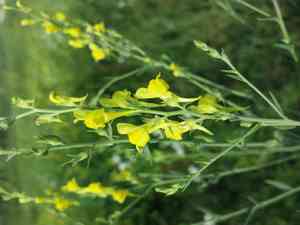
Toadflax (Linaria genistifolia)
Also known as: Broom-leaf toadflax
Toadflax, a slender herbaceous perennial, is known for its narrow leaves and vibrant yellow flowers resembling snapdragons. It flourishes in well-drained soils and sunny locations, such as meadows and roadsides. Adaptable to rocky and dry conditions, toadflax often attracts pollinators and can spread aggressively, forming dense clumps through its rhizomes and seeds.
In This Article
Attributes of Toadflax
Lifespan
Perennial
Plant Type
Herb
Plant Height
40-80 cm
Spread
N/A
Leaf Color
Green
Flower Size
1-2 cm
Flower Color
Yellow
Images of Toadflax
Quickly Identify Toadflax
1
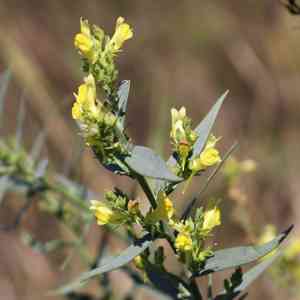
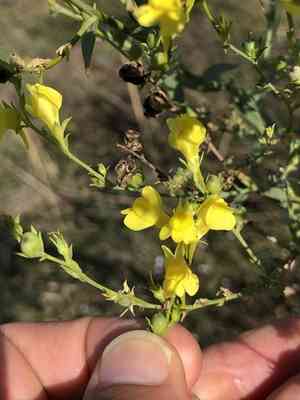
Identify Linaria genistifolia by its tall, erect stems, narrow leaves, and clusters of snapdragon-like yellow flowers. The flowers are bilaterally symmetrical and have a distinct spur at the back.
Scientific Classification of Toadflax
Phylum
Vascular plants
Class
Dicotyledons
Order
Lamiales
Family
Plantain
Genus
wild snapdragon
Species
Toadflax
Planting and Growing of Toadflax
Care Difficulty
Easy
Watering Schedule
Every 2 days
Sunlight Requirements
Full sun
Sunshine Duration
6-10 hours
Ideal Temperature
60-70℉
Soil Type
Potting Mix, Peat Mix
Soil pH
6.5-7.5
Fertilizer Type
Balanced
Pruning Season
Spring, Summer
Pruning Area
Branches, Leaves
Pruning Frequency
2 times a year
Repotting Season
Spring
Pot Type
Plastic, Ceramic
 How to Water Toadflax?
Linaria genistifolia prefers a moderate amount of water, generally around 250 ml per watering session. Water thoroughly until it begins to drain out of the bottom of the pot, ensuring the soil is evenly moist but not soggy. Following this principle helps maintain the plant's vitality without risking root rot.
What are the symptoms of an underwatered Toadflax?
›
What should I do if my Toadflax is not getting enough water?
›
What are the symptoms of an overwatered Toadflax?
›
How to save an overwatered Toadflax?
›
 What Are the Sunlight Requirements for Toadflax?
Linaria genistifolia ideally requires conditions of full sun to partial sun. Sufficient sunlight translates to more vibrant blooms, increased photosynthetic efficiency, and a robust growth cycle.
What is the best type of light for Linaria genistifolia?
›
How can I ensure it receives sufficient light?
›
What benefits does ideal light conditions provide?
›
 What Is the Ideal Temperature Range for Toadflax?
For Linaria genistifolia, the ideal growing temperature range is between 60°F and 70°F. This range provides optimal conditions for growth and flowering, ensuring the plant's metabolic processes function efficiently. Maintaining this temperature range fosters healthy foliage and vibrant blooms, creating a visually appealing plant.
 What Soil is Best for Toadflax?
Linaria genistifolia flourishes in well-drained soil. This type of soil prevents waterlogging, ensuring the plant’s root system receives enough air circulation. As a result, your plant grows stronger with fewer diseases. Nutrient-rich soil enhances the growth rate of Linaria genistifolia. The presence of essential elements like nitrogen and potassium supports lush foliage and vibrant blooms, making your plant stand out in any garden. Moderate moisture retention is key for Linaria genistifolia, as it needs consistent moisture without saturation. This balance helps prevent root rot and keeps the plant thriving during dry spells or periods of drought.
 How to Fertilize Toadflax?
For Linaria genistifolia, a balanced, all-purpose fertilizer is ideal. For liquid fertilizers, use a concentration of 1/4th of the recommended dosage per application. For slow-release fertilizers, apply a thin layer around the base of the plant, ensuring it does not touch the stems directly.
 How to Prune Toadflax?
Begin your pruning session by identifying and removing any dead or diseased stems. Cut them back to the base of the plant to prevent any decay from affecting healthy growth. Trim the remaining stems to create a balanced shape, focusing on symmetry. This helps enhance the overall appearance and prevents the plant from becoming top-heavy or lopsided. Thin out crowded areas to improve air circulation around the plant. This reduces the risk of fungal diseases and ensures that sunlight reaches all parts of the plant, promoting healthy growth.
More About Pruning Techniques→
 How to Propagate Toadflax plant?
1
Fill a seed tray with quality potting mix. Sow Linaria genistifolia seeds onto the surface and lightly press them down. Keep the soil moist and place the tray in a warm, sunny location until germination occurs.
2
Select healthy, non-flowering stems. Using sharp, clean pruning shears, cut sections about 10 cm long. Remove the lower leaves and dip the cut end in rooting hormone before planting in a pot with suitable growing medium.
3
Place the pot with cuttings in a humid environment or cover with plastic to retain moisture. Keep the medium consistently moist and in indirect sunlight until roots develop, generally in a few weeks.
 How to Repot Toadflax plant?
1
Linaria genistifolia shows signs that it's ready for repotting when you notice roots growing from the drainage holes or when growth slows noticeably. These indicators suggest the plant is root-bound, indicating it's high time for a fresh setup.
2
Select a pot that's no more than 2 inches larger in diameter than the current one. This prevents the plant from excess moisture retention, which can lead to root rot. A pot with good drainage is essential to maintain the health of your Linaria genistifolia.
3
Opt for a well-draining potting mix, ideally one suited for Mediterranean plants. This type of soil provides the right balance of moisture retention and drainage, ensuring roots remain healthy and rot free, while also supplying essential nutrients.
Learn More About Toadflax Diseases
Anthracnose
Bacterial Leaf Spot
Bacterial Wilt
Chemical Injury
Crown Gall
Cyst Nematode
Damping-off
Downy Mildew
Drought Stress
Fusarium Wilt
Gray Mold
Leaf Spot
Mosaic
Nutrient Deficiency
Nutrient Toxicity
Powdery Mildew
Root Rot
Root-knot Nematode
Rusts
Sooty Mold
Spider Mites
Temperature Stress
Thrips Damage
White Mold



