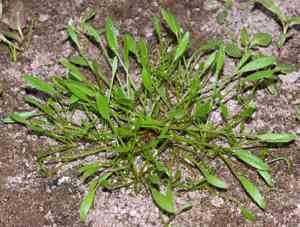
Mudworts (Limosella) (Limosella)
Also known as: Mudwort
Common plants that thrive in muddy regions globally include mangroves, cattails, reeds, sedges, and water lilies. These species are specially adapted to waterlogged environments and are essential for soil stabilization and providing habitats for various wildlife species.
In This Article
Attributes of Mudworts (Limosella)
Lifespan
Annual
Plant Height
1-10 cm
Spread
Not applicable
Leaf Color
Green
Flower Size
1-3 mm
Flower Color
White or pale pink
Images of Mudworts (Limosella)
Quickly Identify Mudworts (Limosella)
1
Identifying Limosella involves looking for small, spatula-shaped leaves, typically near shallow, muddy water bodies. Their flowers are small and somewhat inconspicuous, requiring close observation.
Scientific Classification of Mudworts (Limosella)
Phylum
Tracheophyta
Class
Magnoliopsida
Order
Lamiales
Family
Plantaginaceae
Genus
Limosella
Planting and Growing of Mudworts (Limosella)
Care Difficulty
Moderate
Watering Schedule
Every 8 days
Sunlight Requirements
Partial sun
Sunshine Duration
6-10 hours
Ideal Temperature
65-75℉
Soil Type
Potting Mix, Peat Mix
Soil pH
6.5-7.5
Fertilizer Type
Balanced
Pruning Season
Spring, Summer
Pruning Area
Branches, Leaves
Pruning Frequency
2 times a year
Repotting Season
Spring
Pot Type
Terracotta, Plastic
 How to Water Mudworts (Limosella)?
Limosella thrives in consistently moist soil. When watering, aim to use around 250 ml of water, ensuring the soil is thoroughly saturated but not waterlogged. This ensures the plant has access to moisture without risking root rot. The principle is to maintain an evenly moist environment without letting the water pool at the base.
What are the symptoms of an underwatered Mudworts (Limosella)?
›
What should I do if my Mudworts (Limosella) is not getting enough water?
›
What are the symptoms of an overwatered Mudworts (Limosella)?
›
How to save an overwatered Mudworts (Limosella)?
›
 What Are the Sunlight Requirements for Mudworts (Limosella)?
Partial sun to full sun is optimal for Limosella, encouraging robust growth and healthy development. Ensuring adequate light exposure can enhance the plant's appearance and bloom potential.
What is the best lighting condition for Limosella?
›
How can I achieve ideal lighting for Limosella?
›
Why is ideal lighting important for Limosella?
›
 What Is the Ideal Temperature Range for Mudworts (Limosella)?
For optimal growth, Limosella thrives best within a temperature range of 65°F to 75°F. This range provides balanced conditions for photosynthesis and metabolism, fostering healthy plant development. Maintaining this temperature helps ensure robust health and maximum vitality of the plant.
 What Soil is Best for Mudworts (Limosella)?
Limosella thrives best in well-drained soil, preventing waterlogging that could suffocate roots. This ensures adequate aeration and nutrient uptake, effectively promoting healthy plant growth. Incorporating organic matter into the soil can enhance its fertility and microbial activity, directly benefiting Limosella by providing essential nutrients and fostering a robust root system. Limosella prefers soil with moderate fertility, allowing it to access sufficient nutrients without the risk of accumulating salts or toxic elements, which maintains a balanced growth environment.
 How to Fertilize Mudworts (Limosella)?
For Limosella, you should use a balanced fertilizer such as a 10-10-10 formula, or similar. Apply liquid fertilizer at a rate of one teaspoon per gallon of water, ensuring dilution is sufficient to avoid burning the plant's delicate root system. For slow-release granular fertilizer, a light dusting of approximately 1/4 of a cup scattered evenly over the soil surface will suffice for each application.
 How to Prune Mudworts (Limosella)?
Start by identifying any dead or yellowing leaves on your Limosella. Use a pair of sharp, clean scissors or pruning shears to snip these leaves off at their base, close to where they join the main stem. Always aim to make clean cuts to avoid damaging the plant tissue. Next, look for any stems that seem overly long or non-vigorous and trim them back by about one-third of their length. This will promote a bushier appearance and stimulate more robust growth. Remember to remove any weeds or debris around the base of the plant to ensure it receives ample airflow.
 How to Propagate Mudworts (Limosella) plant?
1
Begin by selecting quality seeds and soaking them in warm water for a few hours to enhance germination. This process softens the seed coat and allows moisture to penetrate, promoting faster sprout emergence.
2
Cut healthy stems from the parent plant just below a node, ensuring each cutting has a few leaves. Dip the cut end in rooting hormone powder and plant it in a container filled with moist potting mix. Maintain high humidity to encourage root growth.
3
During division, lift the parent plant from the soil and carefully separate the root mass into smaller clumps. Each division should have roots and a few leaves or stems. Replant these divisions into separate pots filled with fresh soil.
 How to Repot Mudworts (Limosella) plant?
1
Limosella shows signs that it needs repotting when its roots begin crowding and protruding through the drainage holes, or when the soil dries out rapidly after watering. Spring is an ideal time as it allows for vigorous growth post-repotting, aiding recovery.
2
Select a pot that is 1-2 inches larger in diameter than the current one to allow root expansion but avoid excessive space which can lead to over-watering. A pot with drainage holes ensures excess water can escape, preventing root rot.
3
Opt for a loamy, well-drained soil. This type of soil retains enough moisture to nourish but not overly saturate the roots. It permits proper aeration, which is crucial for root health and prevents fungal growth.

