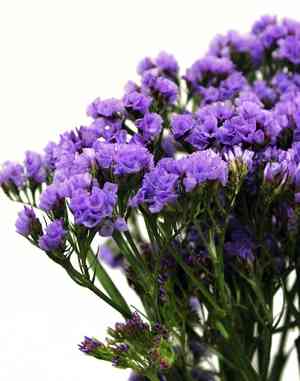
Wavyleaf sea lavender (Limonium sinuatum)
Also known as: Sea lavender, Sea pink
Wavyleaf sea lavender (Limonium sinuatum), also known as sea pink, is native to regions such as southern Spain, North Africa, the Canary Islands, Israel, and Turkey. Thriving in sandy soils, this plant is popularly utilized in dried floral arrangements due to its vibrant and enduring blooms. It is also favored for its ornamental value in gardens.
In This Article
Attributes of Wavyleaf sea lavender
Lifespan
Perennial, Annual, Biennial
Plant Type
Herb
Plant Height
30 cm to 60 cm
Spread
18 cm to 45 cm
Leaf Color
Green
Flower Size
2.5 cm
Flower Color
White Blue Yellow Purple Pink Red Violet
Images of Wavyleaf sea lavender
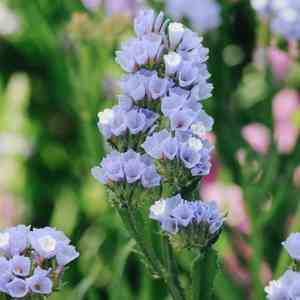
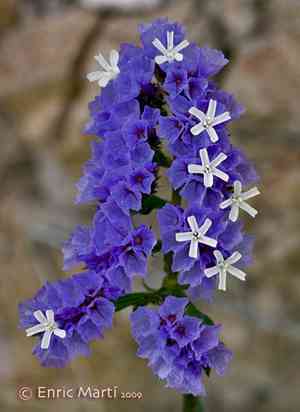
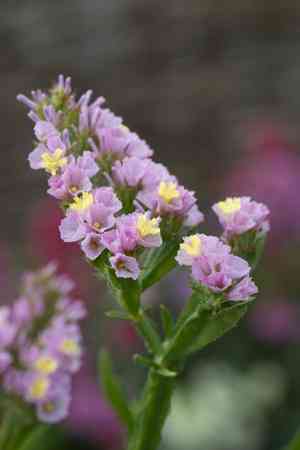
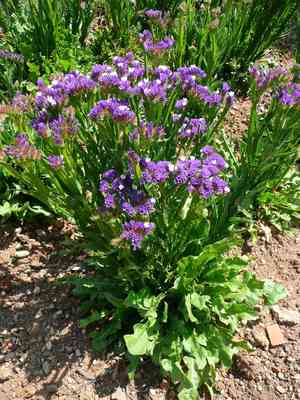
Quickly Identify Wavyleaf sea lavender
1
Papery clusters of small flowers in white with vibrant pink, purple, and yellow calyces.
2
3-winged, green stem reaching 1-2 feet (30-60 cm) with angular appearance.
3
Rosette of sinuate leaves with lobed, lance-shaped, pinnatifid structure, hairy and pinnate.
4
Flowers bloom from late spring to early summer, no noticeable scent, 0.4 inches (1 cm) in diameter.
5
Entire plant is downy, with versatile gardening applications, modest height, and robust blooms.
Scientific Classification of Wavyleaf sea lavender
Phylum
Vascular plants
Class
Dicotyledons
Order
Caryophyllales
Family
Leadwort
Genus
Sea-lavenders
Species
Wavyleaf sea lavender
Planting and Growing of Wavyleaf sea lavender
Care Difficulty
Easy
Watering Schedule
Every 2 days
Sunlight Requirements
Full sun
Sunshine Duration
4-8 hours
Ideal Temperature
60-70℉
Soil Type
Potting Mix, Peat Mix
Soil pH
6.5-7.5
Fertilizer Type
Balanced
Pruning Season
Spring, Summer
Pruning Area
Branches, Leaves
Pruning Frequency
2 times a year
Repotting Season
Spring
Pot Type
Plastic, Ceramic
 How to Water Wavyleaf sea lavender?
Limonium sinuatum prefers a moderate watering regime. Ensure that the soil remains evenly moist but not waterlogged. Water sufficiently—roughly 250 milliliters per session—to reach the roots, but do not let the plant sit in water.
More About Watering Techniques→
What are the symptoms of an underwatered Wavyleaf sea lavender?
›
What should I do if my Wavyleaf sea lavender is not getting enough water?
›
What are the symptoms of an overwatered Wavyleaf sea lavender?
›
How to save an overwatered Wavyleaf sea lavender?
›
 What Are the Sunlight Requirements for Wavyleaf sea lavender?
Limonium sinuatum ideally thrives in full sun, receiving at least 6 to 8 hours of sunlight daily. Adequate exposure promotes robust flowering, healthy growth, and rich coloring, enhancing the plant's beauty and longevity.
More About Sunlight Requirements Techniques→
How much light does Limonium sinuatum need?
›
What are the ideal measures to ensure optimal light?
›
What benefits does proper lighting bring?
›
 What Is the Ideal Temperature Range for Wavyleaf sea lavender?
Limonium sinuatum thrives best in an environment where the temperature is maintained between 60°F and 70°F. Within this range, the plant can perform essential metabolic processes efficiently, leading to optimal growth and flowering.
 What Soil is Best for Wavyleaf sea lavender?
Limonium sinuatum thrives in well-drained soil, which prevents root rot and promotes healthy growth. This type of soil allows excess water to escape, reducing the risk of fungal infections. While Limonium sinuatum can tolerate poorer soils, it benefits greatly from a nutrient-rich environment. Adding compost or organic matter can enhance growth and flower production. The plant prefers moderate moisture levels in the soil. Consistent watering without waterlogging ensures robust growth and vibrant blooms.
More About Soil→
 How to Fertilize Wavyleaf sea lavender?
Limonium sinuatum, commonly known as 'Statice', requires a balanced fertilization approach. For liquid fertilizers, use a diluted water-soluble solution, maintaining a 1:2 ratio (fertilizer:water). This ensures the plant receives the necessary nutrients without over-flooding the soil nutrients.
More About Fertilizing Techniques→
 How to Prune Wavyleaf sea lavender?
Begin by removing all spent flowers and any dead or damaged stems. This is commonly known as 'deadheading' and helps to promote further blooming. Trim around the plant to maintain a desired shape and size. Focus on cutting back any leggy growth to encourage a fuller appearance. Identify and cut back any stems that are overcrowding the plant, with cuts made just above a leaf node to stimulate new growth.
More About Pruning Techniques→
 How to Propagate Wavyleaf sea lavender plant?
1
Use a well-draining soil mix to fill seedling trays or pots. A mix of peat, sand, and perlite allows adequate water drainage while retaining enough moisture for germination or rooting.
2
Sow seeds lightly on the soil surface, covering them with a thin layer of soil. For cuttings, insert the cut end into the soil mix deeply enough to ensure stability and contact with the soil.
3
Cover the seedling tray or pot with a plastic dome or wrap to maintain high humidity. Place in a warm environment, ideally between 20 to 25°C (68 to 77°F), to promote successful germination and rooting.
 How to Repot Wavyleaf sea lavender plant?
1
You should consider repotting Limonium sinuatum when you notice roots emerging from the drainage holes or the plant's growth has noticeably slowed. This typically indicates that the plant has become root-bound and needs more space to grow.
2
Choose a pot that is only slightly larger than the current one, with good drainage holes. A slightly larger size prevents excess soil that could retain too much moisture and cause root rot, allowing the roots to expand healthily.
3
Opt for a well-draining, sandy soil mix. This type of soil replicates the plant's natural dry and arid habitat, preventing waterlogging and promoting healthy root growth. Well-draining soil is crucial to avoid root rot and other moisture-related issues.
Learn More About Wavyleaf sea lavender Diseases
Anthracnose
Bacterial Leaf Spot
Bacterial Soft Rot
Bacterial Wilt
Chemical Injury
Crown Gall
Cyst Nematode
Damping-off
Downy Mildew
Drought Stress
Fusarium Wilt
Gray Mold
Leaf Spot
Mosaic
Nutrient Deficiency
Nutrient Toxicity
Powdery Mildew
Root Rot
Root-knot Nematode
Rusts
Sooty Mold
Spider Mites
Temperature Stress
Thrips Damage
White Mold



