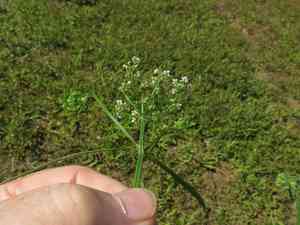
Tansy dogshade (Limnosciadium pinnatum)
Also known as: None
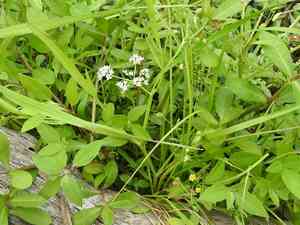
Tansy dogshade is a perennial herb notable for its finely divided, fern-like foliage. It flourishes in moist environments, such as wetlands, riverbanks, and marshy regions. The plant's small white flowers, arranged in modest umbels, add to its subtle charm.
In This Article
Attributes of Tansy dogshade
Lifespan
Annual
Plant Type
Herb
Plant Height
0.5 to 1.5 meters
Spread
0.5 to 1 meter
Leaf Color
Green
Flower Size
Around 5 mm per flower
Flower Color
White
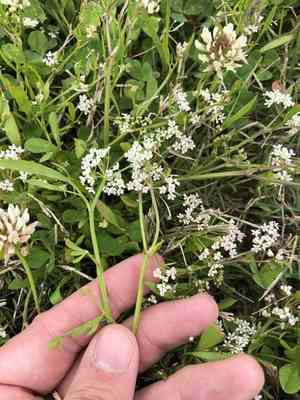
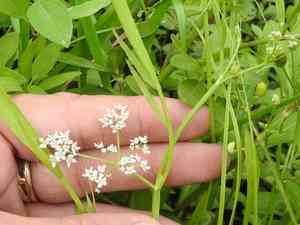
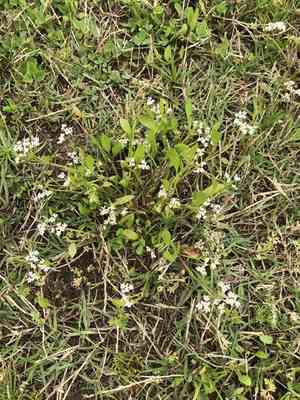
Images of Tansy dogshade
Quickly Identify Tansy dogshade
1
To identify Limnosciadium pinnatum, look for distinctive pinnate leaves and white umbel-like flower clusters. The plant often grows in moist environments and has a somewhat bushy appearance.
Scientific Classification of Tansy dogshade
Phylum
Vascular plants
Class
Dicotyledons
Order
Apiales
Family
Umbellifers
Genus
Limnosciadium
Species
Tansy dogshade
Planting and Growing of Tansy dogshade
Care Difficulty
Hard
Watering Schedule
Every 3 days
Sunlight Requirements
Partial sun
Sunshine Duration
6-10 hours
Ideal Temperature
60-75℉
Soil Type
Potting Mix, Peat Mix
Soil pH
6.5-7.5
Fertilizer Type
Balanced
Pruning Season
Spring, Summer
Pruning Area
Branches, Leaves
Pruning Frequency
2 times a year
Repotting Season
Spring
Pot Type
Plastic, Ceramic
 How to Water Tansy dogshade?
Limnosciadium pinnatum requires about 500 milliliters of water per session, enough to ensure that the soil is adequately moist but not soggy. The principle here is to water deeply to encourage the roots to grow deeper, which makes the plant more drought-resistant.
What are the symptoms of an underwatered Tansy dogshade?
›
What should I do if my Tansy dogshade is not getting enough water?
›
What are the symptoms of an overwatered Tansy dogshade?
›
How to save an overwatered Tansy dogshade?
›
 What Are the Sunlight Requirements for Tansy dogshade?
Limnosciadium pinnatum flourishes in partial sunlight, as it provides a balance that encourages healthy foliage, robust growth, and enhanced resistance to environmental stressors.
What is the ideal sunlight for Limnosciadium pinnatum?
›
How can I ensure ideal light exposure?
›
What benefits arise from ideal light conditions?
›
 What Is the Ideal Temperature Range for Tansy dogshade?
The ideal temperature range for Limnosciadium pinnatum is between 60°F and 75°F. These temperatures provide optimal conditions for growth, encouraging photosynthesis, and minimizing stress. Maintaining these temperatures ensures that the plant can properly metabolize and grow, resulting in a healthier and more vibrant specimen.
 What Soil is Best for Tansy dogshade?
For Limnosciadium pinnatum, choosing a well-drained soil is vital. This is because the plant's roots thrive in environments where water doesn't accumulate, reducing the risk of root rot. The quick drainage ensures roots have access to oxygen and nutrients efficiently, promoting healthy growth and flowering. This plant benefits immensely from nutrient-rich soils, which provide the essential macronutrients required for its development. High organic matter like decomposed leaves or well-rotted compost boosts the nutrient content, leading to robust stems, abundant leaves, and a vibrant appearance. While drainage is crucial, retaining some moisture is beneficial for the Limnosciadium pinnatum. Soils that hold a moderate amount of water ensure the plant gets a steady supply during drier periods, supporting continuous growth and avoiding stress.
 How to Fertilize Tansy dogshade?
For Limnosciadium pinnatum, the amount of fertilizer should be cautiously balanced. Typically, for liquid fertilizers, use a solution diluted to half or even a quarter of the recommended strength to avoid any potential root damage. For solid fertilizers, apply approximately one tablespoon per square foot of soil, making sure it's evenly spread around the base of the plant but avoiding direct contact with the stems or leaves, which could cause burns.
 How to Prune Tansy dogshade?
Begin by inspecting the plant for any dead, damaged, or diseased branches, and remove them with a clean pair of pruners. This will help prevent the spread of disease and give the plant a neater appearance. Next, focus on cutting back any overly tall or leggy stems to maintain a balanced shape and encourage more compact growth. To promote even more bushy growth, consider pinching back the tips of the stems. Use your thumb and forefinger to pinch off the top inch of new growth. This action encourages the plant to develop additional side shoots, resulting in a fuller appearance. Pinching back can be done throughout the growing seasons.
 How to Propagate Tansy dogshade plant?
1
Choose healthy and mature seeds of Limnosciadium pinnatum. Inspect the seeds for any signs of damage or disease, as these can negatively impact germination success rates.
2
Fill seedling trays with potting mix and sow Limnosciadium pinnatum seeds on the surface. Cover them lightly with a thin layer of mix, ensuring they are not buried too deeply.
3
Mist the seeds gently and keep the soil moist. Avoid overwatering as this can lead to fungal issues. Use a spray bottle for precise control to maintain optimal moisture levels.
 How to Repot Tansy dogshade plant?
1
Look for signs such as roots emerging from the drainage holes, wilting leaves despite regular watering, or slowed growth. These are clear indicators that Limnosciadium pinnatum needs a new pot to continue thriving.
2
Select a pot that is 2-3 inches larger in diameter than the current one, with adequate drainage holes. This ensures the roots have room to grow and prevents waterlogging, which could lead to root rot.
3
Opt for a loamy, well-drained soil mix. Such soil provides the necessary nutrients while ensuring excellent drainage, thus promoting healthy root development and preventing water accumulation.
Learn More About Tansy dogshade Diseases
Anthracnose
Bacterial Leaf Spot
Bacterial Soft Rot
Bacterial Wilt
Chemical Injury
Crown Gall
Cyst Nematode
Damping-off
Downy Mildew
Drought Stress
Fusarium Wilt
Gray Mold
Leaf Spot
Mosaic
Nutrient Deficiency
Nutrient Toxicity
Powdery Mildew
Root Rot
Root-knot Nematode
Rusts
Sooty Mold
Spider Mites
Temperature Stress
Thrips Damage
White Mold



