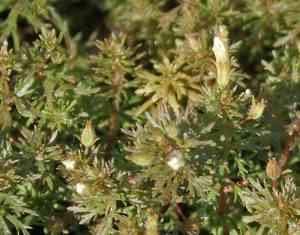
Dwarf ambulia (Limnophila sessiliflora)
Also known as: Asian marshweed
Brazilian Waterweed (Egeria densa) is a favored aquarium plant known for its ease of care, making it a great substitute for the more demanding Cabomba plants. However, it has become invasive in some regions and is classified as a Federal Noxious Weed in the USA due to its ability to escape cultivation.
In This Article
Attributes of Dwarf ambulia
Lifespan
Perennial, Annual
Plant Type
Herb
Plant Height
40 cm
Spread
3 cm to 7 cm
Leaf Color
Light green
Flower Size
0.5 to 1 cm
Flower Color
White Purple
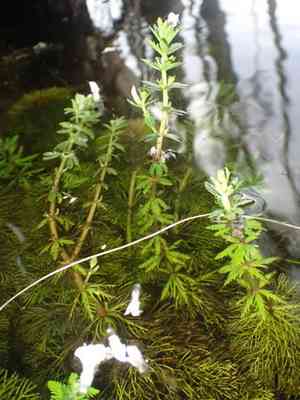
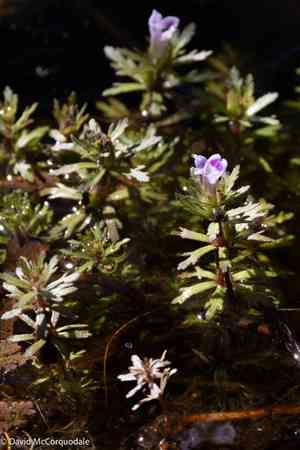
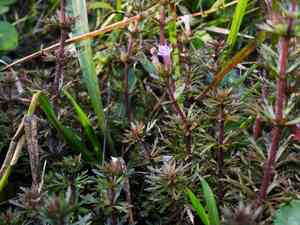
Images of Dwarf ambulia
Quickly Identify Dwarf ambulia
1
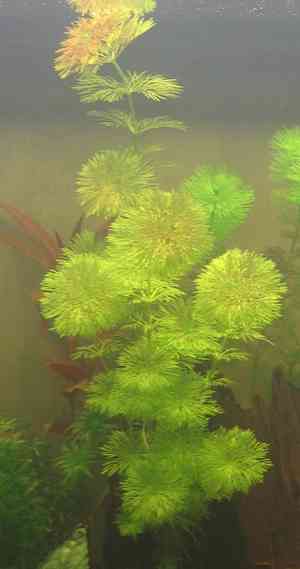
Identify Limnophila sessiliflora by its finely dissected, feathery leaves that are arranged in whorls around the stem. The plant often appears light green in color and grows rapidly, forming dense mats in aquatic environments.
Scientific Classification of Dwarf ambulia
Phylum
Vascular plants
Class
Dicotyledons
Order
Mints plantains olives and allies
Family
Plantain
Genus
Marshweeds
Species
Dwarf ambulia
Planting and Growing of Dwarf ambulia
Care Difficulty
Easy
Watering Schedule
Every 8 days
Sunlight Requirements
Partial sun
Sunshine Duration
6-10 hours
Ideal Temperature
75-82℉
Soil Type
Potting Mix, Peat Mix
Soil pH
6.5-7.5
Fertilizer Type
Balanced
Pruning Season
Spring, Summer
Pruning Area
Branches, Leaves
Pruning Frequency
2 times a year
Repotting Season
Spring
Pot Type
Terracotta, Plastic
 How to Water Dwarf ambulia?
When watering Limnophila sessiliflora, aim for approximately 150 ml per session. This plant thrives in moist environments, so always ensure that the substrate remains damp. However, it should never be waterlogged. A measured approach where drainage is just as important as the input will ensure healthy growth.
What are the symptoms of an underwatered Dwarf ambulia?
›
What should I do if my Dwarf ambulia is not getting enough water?
›
What are the symptoms of an overwatered Dwarf ambulia?
›
How to save an overwatered Dwarf ambulia?
›
 What Are the Sunlight Requirements for Dwarf ambulia?
Limnophila sessiliflora thrives under partial sun. This balance nurtures healthy foliage and vibrant color, supporting its overall well-being and aesthetic appeal.
More About Sunlight Requirements Techniques→
Optimal Light Intensity
›
Balancing Sun Exposure
›
Creating Ideal Sun Conditions
›
 What Is the Ideal Temperature Range for Dwarf ambulia?
The optimal temperature range for growing Limnophila sessiliflora is between 75°F and 82°F. This range provides the best conditions for robust growth and vibrant foliage. Maintaining these temperatures helps ensure that the plant can properly photosynthesize, absorb nutrients, and grow vigorously.
 What Soil is Best for Dwarf ambulia?
Limnophila sessiliflora thrives best in well-drained soil, which prevents waterlogging that can cause root rot. This allows the plant roots to access oxygen more easily and enhances plant health. The presence of abundant organic matter supports Limnophila sessiliflora by providing necessary nutrients for growth. It also helps maintain moisture levels, reducing the need for frequent watering. Soil that can retain moderate moisture is ideal for Limnophila sessiliflora, as it ensures that the plant does not dry out between waterings. This helps maintain healthy foliage and prevents wilting.
 How to Fertilize Dwarf ambulia?
Limnophila sessiliflora, commonly known as Ambulia, requires a balanced approach to fertilization. A liquid fertilizer should be diluted to half the manufacturer's recommended strength to avoid over-fertilization, and applied evenly. For solid fertilizers, using a dose suitable for aquatic plants, such as 1-2 pellets per plant, provides ample nutrition without overwhelming the plant.
 How to Prune Dwarf ambulia?
Begin by identifying healthy, mature stems that are longer than you desire. Trim these back to a point just above a healthy leaf node. This node will be where new shoots emerge, ensuring continued growth. Remove any dead or yellowing leaves as you prune. This not only improves the appearance of your plant but also helps to prevent the spread of potential diseases. Snip these leaves close to the base of the plant. Prune in a way that maintains the overall shape and balance of the plant. A well-shaped Limnophila sessiliflora will have a full, bushy appearance rather than being tall and sparse.
More About Pruning Techniques→
 How to Propagate Dwarf ambulia plant?
1
Choose healthy and vigorous stems from the parent plant for propagation. Look for stems that are free from any signs of disease or pest infestation to ensure successful propagation.
2
Using sharp scissors, make a clean cut just below a node on the chosen stem. Ensure the cut is clean and swift to minimize damage to the stem and help with root development.
3
Dip the cut end of the stem in rooting hormone and plant it in a container filled with a suitable growing medium, such as potting soil or water with nutrient solution, to encourage root growth.
 How to Repot Dwarf ambulia plant?
1
Limnophila sessiliflora needs repotting when roots are visibly outgrowing their container or if you notice a decline in growth. Look for roots emerging from the pot's drainage holes or the plant leaning awkwardly. These are signs it's time to give it more space to thrive.
2
Select a pot that's about 20% larger than the current one. It should have ample drainage holes to prevent waterlogging, which is crucial for avoiding root rot. A slightly larger pot allows root expansion without overwhelming the plant with too much soil, ensuring healthier growth.
3
Opt for well-draining aquatic soil, mixed with sand or fine gravel, to ensure proper aeration and nutrient retention. This soil structure mimics the plant's natural habitat, promoting strong root development and robust plant health.



