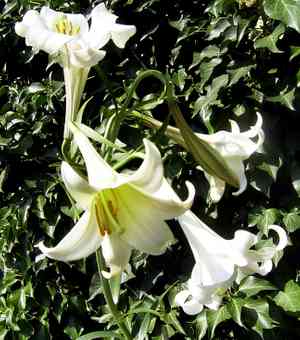
Philippine lily (Lilium philippinense)
Also known as: Philippine Lily, Benguet Lily
The Philippine lily, a rare species native to the high elevations of the Cordillera Central mountains in the Philippines, is cherished by local florists for its stunning, white, trumpet-shaped, and fragrant flowers. Its unique beauty makes it an excellent centerpiece in floral designs. However, due to its toxicity to cats, florists advise caution for pet owners.
In This Article
Attributes of Philippine lily
Lifespan
Perennial
Plant Type
Herb
Plant Height
50 cm
Spread
50 cm
Leaf Color
Green
Flower Size
10 to 15 centimeters
Flower Color
White, sometimes with a slight pink or purple tinge
Images of Philippine lily
Quickly Identify Philippine lily
1
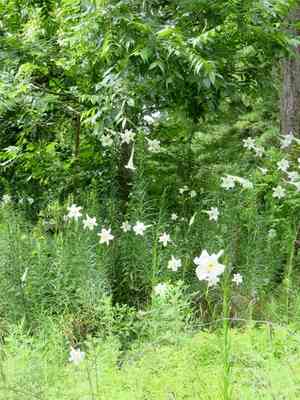
Lilium philippinense can be identified by its large, fragrant, trumpet-shaped white flowers, long slender stems, and narrow leaves. The flowers may also have a slight pink or purple tinge on the outside.
Scientific Classification of Philippine lily
Phylum
Vascular plants
Class
Monocotyledons
Order
Liliales
Family
Lily
Genus
Lilies
Species
Philippine lily
Planting and Growing of Philippine lily
Care Difficulty
Hard
Watering Schedule
Every 8 days
Sunlight Requirements
Partial sun
Sunshine Duration
4-10 hours
Ideal Temperature
60-75℉
Soil Type
Potting Mix, Peat Mix
Soil pH
6.5-7.5
Fertilizer Type
Balanced
Pruning Season
Spring, Summer
Pruning Area
Branches, Leaves
Pruning Frequency
2 times a year
Repotting Season
Spring
Pot Type
Plastic, Ceramic
 How to Water Philippine lily?
When watering Lilium philippinense, using approximately 250 milliliters per session ensures the soil is moist but not waterlogged. This amount should saturate the soil evenly, reaching the roots without causing excess runoff, a principle that prevents root rot and supports healthy growth.
What are the symptoms of an underwatered Philippine lily?
›
What should I do if my Philippine lily is not getting enough water?
›
What are the symptoms of an overwatered Philippine lily?
›
How to save an overwatered Philippine lily?
›
 What Are the Sunlight Requirements for Philippine lily?
Lilium philippinense thrives best in partial sun, ideally with morning light exposure. Proper light conditions enhance photosynthesis, leading to robust growth, vibrant blooms, and resistance to environmental stresses.
Best Placement
›
Monitoring Light Exposure
›
Prevention of Overexposure
›
 What Is the Ideal Temperature Range for Philippine lily?
The ideal temperature range for growing Lilium philippinense is between 60°F to 75°F. This range ensures optimal growth conditions, allowing the plant to thrive. It provides a balance of warmth, which supports active photosynthesis and energy conversion, crucial for the development of its characteristic flowers.
 What Soil is Best for Philippine lily?
Lilium philippinense thrives in well-drained soil which prevents waterlogging that can lead to root rot. Ensuring good drainage improves the plant's overall health and promotes robust growth. This plant benefits from a nutrient-rich soil, providing essential elements that foster vigorous blooms and strengthen its natural resistance to pests and diseases. A moderate amount of organic matter in the soil helps retain moisture and nutrients, creating a conducive environment for the plant to absorb all necessary nutrients, thereby enhancing its vibrancy.
 How to Fertilize Philippine lily?
When fertilizing Lilium philippinense, use a balanced and water-soluble fertilizer. For liquid fertilizer, dilute it to half the recommended strength for houseplants. Apply approximately 50 ml per application around the base of the plant, ensuring even distribution and avoiding direct contact with the foliage to prevent leaf burn.
 How to Prune Philippine lily?
Begin pruning in early spring when the plant shows signs of new growth. This is the best time to shape the plant and remove weak or undesirable stems. Continue light pruning through summer and early autumn for maintenance. Focus on removing any yellowing or damaged leaves as well as spent flower stems. Cut these parts back to the healthy green tissue to encourage vigorous new growth. To promote fuller growth, pinch back the tips of the stems. This encourages the lily to branch out, creating a more robust and well-rounded plant.
More About Pruning Techniques→
 How to Propagate Philippine lily plant?
1
Fill seed trays with a well-draining seed-starting mix. Lightly moisten the mix before sowing the seeds to ensure adequate moisture for germination.
2
Carefully sprinkle Lilium philippinense seeds evenly over the surface of the prepared tray. Cover them with a thin layer of the seed-starting mix, as they require light to germinate.
3
Select healthy, non-flowering stems for cuttings. Cut below a node using sharp, sterilized pruning shears. Remove any leaves from the lower half of the cutting to reduce moisture loss.
 How to Repot Philippine lily plant?
1
Lilium philippinense shows signs of needing repotting when roots start protruding from the drainage holes, or when growth becomes stunted. These are clear indicators that the plant's roots have outgrown the current pot, and it's time for a larger home to ensure healthy development.
2
Select a pot that is 2-3 inches larger in diameter than the current one. This size allows adequate space for root expansion without risking overwatering, which can lead to root rot. Ensure the pot has sufficient drainage holes to prevent waterlogging and maintain healthy root systems.
3
Opt for a well-draining loamy soil mixture that offers excellent drainage while retaining adequate moisture. A blend of peat moss, perlite, and organic compost is ideal, as it offers both aeration and the essential nutrients required for vigorous growth and flowering.
Toxicity
Ingestion, Contact
WARNING
The judgment on toxicity and danger is for reference only. We DO NOT GUARANTEE any accuracy of such judgment. Therefore, you SHALL NOT rely on such judgment. It is IMPORTANT TO SEEK PROFESSIONAL ADVICE in advance when necessary.
Learn More About Philippine lily Diseases
Anthracnose
Bacterial Leaf Spot
Bacterial Soft Rot
Bacterial Wilt
Black Spot
Chemical Injury
Crown Gall
Cyst Nematode
Damping-off
Downy Mildew
Drought Stress
Fusarium Wilt
Gray Mold
Leaf Spot
Mosaic
Nutrient Deficiency
Nutrient Toxicity
Powdery Mildew
Root Rot
Root-knot Nematode
Rusts
Sooty Mold
Spider Mites
Temperature Stress
Thrips Damage
White Mold



