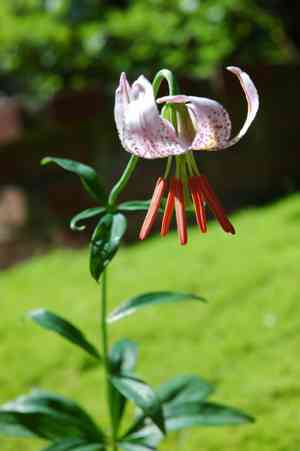
Kellogg's lily (Lilium kelloggii)
Also known as: Kellogg's Lily
Kellogg's lily, or Lilium kelloggii, features large, trumpet-like flowers in shades of vibrant pink, adorned with darker spots near the flower's core. The petals are elegantly recurved, and the flower sits atop robust stems that can grow up to six feet tall. This lily flourishes in mountainous woodlands, where it enjoys dappled sunlight, which aids in its blooming from late spring to early summer. Its striking appearance makes it a standout element in the natural landscapes of northern California and southern Oregon.
In This Article
Attributes of Kellogg's lily
Lifespan
Perennial
Plant Type
Herb
Plant Height
3 to 6 feet
Spread
1 to 2 feet
Leaf Color
Green
Flower Size
4 to 6 inches
Flower Color
Pink to rose
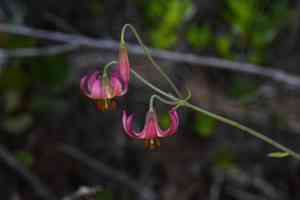
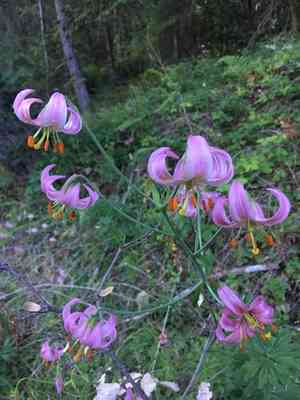
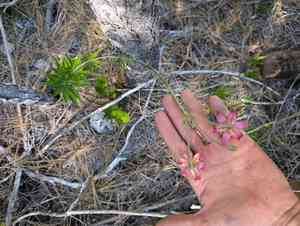
Images of Kellogg's lily
Quickly Identify Kellogg's lily
1
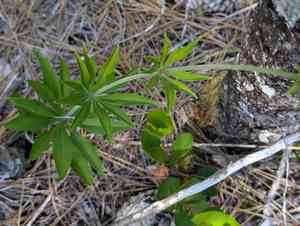
Kellogg\'s Lily can be identified by its large, trumpet-shaped, pink to rose-colored flowers which are highly fragrant. The leaves are narrow, lance-shaped, and arranged in whorls around the stem. It typically blooms in mid to late summer.
Scientific Classification of Kellogg's lily
Phylum
Vascular plants
Class
Monocotyledons
Order
Liliales
Family
Lily
Genus
Lilies
Species
Kellogg's lily
Planting and Growing of Kellogg's lily
Care Difficulty
Moderate
Watering Schedule
Every 2 days
Sunlight Requirements
Partial sun
Sunshine Duration
4-8 hours
Ideal Temperature
60-75℉
Soil Type
Potting Mix, Peat Mix
Soil pH
6.5-7.5
Fertilizer Type
Balanced
Pruning Season
Spring, Summer
Pruning Area
Branches, Leaves
Pruning Frequency
2 times a year
Repotting Season
Spring
Pot Type
Plastic, Ceramic
 How to Water Kellogg's lily?
For Lilium kelloggii, it's crucial to maintain an evenly moist soil without making it waterlogged. Ensure the soil is moist to the touch 1-2 inches down, which typically translates to about 500 ml of water per session.
What are the symptoms of an underwatered Kellogg's lily?
›
What should I do if my Kellogg's lily is not getting enough water?
›
What are the symptoms of an overwatered Kellogg's lily?
›
How to save an overwatered Kellogg's lily?
›
 What Are the Sunlight Requirements for Kellogg's lily?
Lilium kelloggii ideally needs partial sun. This ensures adequate light for photosynthesis while preventing scorching. The balance supports healthy growth, lush blooms, and prolongs the plant's life cycle.
How much sunlight does Lilium kelloggii need?
›
How can I ensure Lilium kelloggii gets ideal lighting?
›
What are the benefits of ideal lighting for Lilium kelloggii?
›
 What Is the Ideal Temperature Range for Kellogg's lily?
Lilium kelloggii thrives best in temperatures ranging from 60°F to 75°F. This range supports optimal growth and flowering. The plant's metabolic processes are most efficient in this range, allowing it to develop strong stems and vibrant flowers.
 What Soil is Best for Kellogg's lily?
Lilium kelloggii thrives best in well-draining soil to prevent the roots from sitting in water, which can cause root rot. Ensuring proper drainage enhances soil aeration and helps the lily grow healthy. Rich soils high in organic matter support the vigorous growth of Lilium kelloggii. A nutrient-rich medium provides essential elements and also improves soil structure, leading to better root development. Maintaining moderate moisture in the soil is crucial for optimal lily growth. Overly dry conditions tend to stress the plant, while overly wet conditions can suffocate the roots.
 How to Fertilize Kellogg's lily?
Lilium kelloggii prefers a balanced fertilizer application. Use about 1/4 to 1/2 teaspoon of granular fertilizer per plant. For liquid fertilizers, a dilution ratio of 1:2 in water per plant ensures steady growth without overfeeding.
 How to Prune Kellogg's lily?
After the flowering period, carefully remove spent flowers by cutting just above a healthy leaf. This encourages the plant to direct its energy towards bulb development rather than seed production. Check the plant for any signs of damaged or diseased leaves. Cut these back to the base or to a healthy part of the plant, helping prevent the spread of disease and pests while also maintaining the plant's appearance. In early spring, cut back the stems to a few inches above the ground. This practice stimulates fresh growth and helps rejuvenate the plant. Be sure not to cut too aggressively as this can stress the plant.
More About Pruning Techniques→
 How to Propagate Kellogg's lily plant?
1
Begin by filling seed trays with a well-draining potting mix, and sow Lilium kelloggii seeds evenly. Lightly cover the seeds with a thin layer of the potting mix. Ensure the trays are kept in a warm, brightly-lit area, and maintain consistent moisture by misting the surface with water regularly.
2
Once seedlings have developed several true leaves, they are ready to be transplanted. Carefully separate the seedlings, handling only by the leaves to avoid root damage. Plant them in individual pots or garden spaces with adequate distance to allow for growth, making sure to water them thoroughly after planting.
3
Using a garden spade, excavate the Lilium kelloggii plant by digging a wide area around the bulb. Gently lift the plant and divide the bulbs, ensuring each division has roots attached. Replant immediately in a prepared garden bed, pressing the soil firmly and watering to remove air pockets and facilitate establishment.
 How to Repot Kellogg's lily plant?
1
Repotting Lilium kelloggii is best when you notice its roots peeking out of the pot's drainage holes, signaling that it's become root-bound. This typically happens every two years, but depending on growth, it might need earlier attention. Spring or early summer is ideal, as the plant is actively growing and can quickly adapt to a new pot.
2
Select a pot that's about 2 inches larger in diameter than the current one. A pot too large can lead to water retention issues, risking root rot. Opt for a pot with good drainage holes to ensure excess water escapes easily. Clay pots are preferred as they allow breathability, aiding in moisture control while providing stability for the plant's height.
3
Use a rich, well-draining loamy soil that's slightly acidic. This kind of soil mix helps maintain the necessary nutrients and provides a favorable environment for root growth. A well-draining soil prevents waterlogging, which is crucial for Lilium kelloggii to thrive and avoid root rot.
Toxicity
Ingestion
WARNING
The judgment on toxicity and danger is for reference only. We DO NOT GUARANTEE any accuracy of such judgment. Therefore, you SHALL NOT rely on such judgment. It is IMPORTANT TO SEEK PROFESSIONAL ADVICE in advance when necessary.
Learn More About Kellogg's lily Diseases
Anthracnose
Bacterial Leaf Spot
Bacterial Soft Rot
Bacterial Wilt
Chemical Injury
Crown Gall
Cyst Nematode
Damping-off
Downy Mildew
Drought Stress
Fusarium Wilt
Gray Mold
Leaf Spot
Mosaic
Nutrient Deficiency
Nutrient Toxicity
Powdery Mildew
Root Rot
Root-knot Nematode
Rusts
Sooty Mold
Spider Mites
Temperature Stress
Thrips Damage
White Mold



