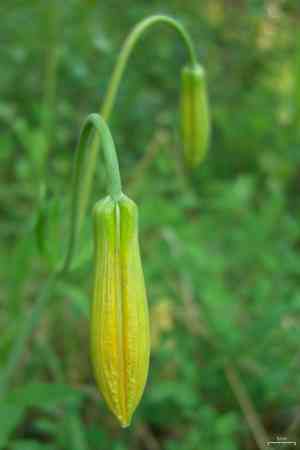
Columbia lily (Lilium columbianum)
Also known as: Tiger lily, Columbian Lily
The Columbia lily (Lilium columbianum) is indigenous to the Pacific Northwest, spanning from British Columbia and extending through Washington, Oregon, into northern California and Idaho. It typically grows in open woodlands, meadows, and forest clearings.
For cultivation, plant the bulbs in the fall in well-drained, humus-rich soil. Ensure the soil stays consistently moist but avoid waterlogging. The Columbia lily flourishes in partial shade to full sun and benefits from mulching to keep its roots cool.
In This Article
Attributes of Columbia lily
Lifespan
Perennial
Plant Type
Herb
Plant Height
30 cm to 1.5 m
Spread
30 cm
Leaf Color
Green Yellow
Flower Size
8 cm to 10 cm
Flower Color
Orange Yellow Purple Red
Images of Columbia lily




Quickly Identify Columbia lily
1
Look for the tall, slender stalks that support several downward-facing, bell-shaped flowers with recurved petals. The flowers are typically orange to reddish-orange with dark purple spots. The leaves are lanceolate and arranged in whorls.
Scientific Classification of Columbia lily
Phylum
Vascular plants
Class
Monocotyledons
Order
Liliales
Family
Lily
Genus
Lilies
Species
Columbia lily
Planting and Growing of Columbia lily
Care Difficulty
Moderate
Watering Schedule
Every 3 days
Sunlight Requirements
Partial sun
Sunshine Duration
6-10 hours
Ideal Temperature
60-75℉
Soil Type
Potting Mix, Peat Mix
Soil pH
6.5-7.5
Fertilizer Type
Balanced
Pruning Season
Spring, Summer
Pruning Area
Branches, Leaves
Pruning Frequency
2 times a year
Repotting Season
Spring
Pot Type
Plastic, Ceramic
 How to Water Columbia lily?
Lilium columbianum requires consistent watering without allowing the soil to dry out completely. Water thoroughly until you see it draining out of the pot’s bottom to ensure roots absorb the necessary moisture.
What are the symptoms of an underwatered Columbia lily?
›
What should I do if my Columbia lily is not getting enough water?
›
What are the symptoms of an overwatered Columbia lily?
›
How to save an overwatered Columbia lily?
›
 What Are the Sunlight Requirements for Columbia lily?
Lilium columbianum prospers in partial sunlight, gaining the advantage of sun for photosynthesis while avoiding adverse effects like leaf burn. Ideal lighting aids in balanced growth and vibrant blooms.
More About Sunlight Requirements Techniques→
How much light should it get?
›
How to achieve ideal lighting?
›
Benefits of ideal lighting
›
 What Is the Ideal Temperature Range for Columbia lily?
The ideal temperature range for Lilium columbianum is between 60°F and 75°F. This range ensures optimal photosynthesis and healthy growth. Temperatures within this range offer a balance that prevents stress and promotes robust flowering.
 What Soil is Best for Columbia lily?
Lilium columbianum thrives in well-draining soil. This is crucial because it helps prevent water from accumulating around the roots, which can lead to rot. Well-draining soil ensures that the roots receive adequate oxygen, promoting healthy growth and vibrant blooms. This lily benefits from nutrient-rich soil, which provides the essential minerals and nutrients needed for optimal growth. Nutrient-rich soil supports strong stem development and striking flowers, making it a key component for a healthy garden. While drainage is important, the soil should also retain some moisture to keep the roots hydrated. Loam and sandy loam soils strike a balance by holding enough moisture without becoming waterlogged, benefiting the plant's overall health.
 How to Fertilize Columbia lily?
For Lilium columbianum, it's essential to use a balanced fertilizer with a ratio such as 10-10-10 or 20-20-20. Start with a small amount, around a quarter of the recommended dose on the package, and observe the plant's response before gradually increasing if needed.
 How to Prune Columbia lily?
Focus on pruning in early spring before new growth begins, and in autumn after flowering has completed. This timing supports flower production and prevents stressing the plant. Be careful not to disturb the bulbs during dormancy period. Pruning should be primarily focused above ground, avoiding unnecessary digging or uprooting around the bulb area. While pruning, keep an eye out for pests like lily beetles. Removing affected areas promptly can help prevent the spread, ensuring a healthier plant.
More About Pruning Techniques→
 How to Propagate Columbia lily plant?
1
Start by collecting ripe seeds from mature Lilium columbianum plants. Soak the seeds in water for 24 hours to soften their outer coat, improving germination rates.
2
Sow the seeds evenly in a seed tray filled with a fine potting mix. Lightly cover them with soil and maintain a moist environment to support germination.
3
Carefully dig up the bulbs during early spring. Use a spade to separate them gently, ensuring that each section has a healthy portion of roots for successful propagation.
 How to Repot Columbia lily plant?
1
Repot Lilium columbianum when the plant outgrows its current pot and the bulbs no longer have space to grow. This typically happens every 2-3 years. Look for signs like the bulb crowding the edges of the pot or if growth slows down significantly, indicating the need for more room.
2
Select a pot with adequate drainage and marginally larger than the current one. The new pot should have at least 1-2 inches of extra space around the bulbs, allowing adequate room for growth while preventing excessive water retention, which can lead to root rot. A pot made from breathable materials like terracotta is preferred.
3
Use a rich, well-draining soil mix that mimics the plant's natural habitat. A mix containing one third sand, one third organic compost, and one third garden loam provides excellent drainage while retaining enough moisture and nutrients for healthy bulb development, preventing waterlogging and root suffocation.
Toxicity
Ingestion
WARNING
The judgment on toxicity and danger is for reference only. We DO NOT GUARANTEE any accuracy of such judgment. Therefore, you SHALL NOT rely on such judgment. It is IMPORTANT TO SEEK PROFESSIONAL ADVICE in advance when necessary.
Learn More About Columbia lily Diseases
Anthracnose
Bacterial Leaf Spot
Bacterial Soft Rot
Bacterial Wilt
Black Spot
Chemical Injury
Crown Gall
Cyst Nematode
Damping-off
Downy Mildew
Drought Stress
Fusarium Wilt
Gray Mold
Leaf Curl
Leaf Spot
Mosaic
Nutrient Deficiency
Nutrient Toxicity
Powdery Mildew
Root Rot
Root-knot Nematode
Rusts
Sooty Mold
Spider Mites
Temperature Stress
Thrips Damage
White Mold



