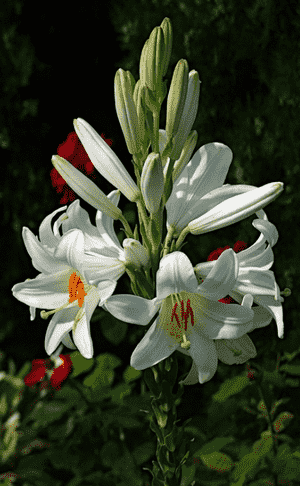
Madonna lily (Lilium candidum)
Also known as: Madonna Lily, White Lily
The Madonna lily (Lilium candidum) is a plant species that has been cultivated by humans for more than 3,000 years. Native to the Balkans and the Middle East, this lily is notable for forming bulbs at ground level. It holds significant symbolic meaning across various cultures, particularly in Roman Catholicism where it represents purity. However, it is also prone to viral and fungal diseases.
In This Article
Attributes of Madonna lily
Lifespan
Perennial
Plant Type
Herb
Plant Height
1 m to 1.8 m
Spread
30 cm to 60 cm
Leaf Color
Green
Flower Size
6 cm to 8 cm
Flower Color
White
Images of Madonna lily

Quickly Identify Madonna lily
1
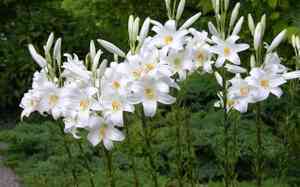
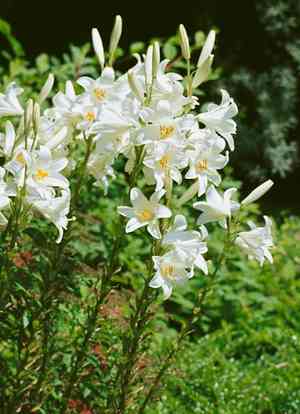
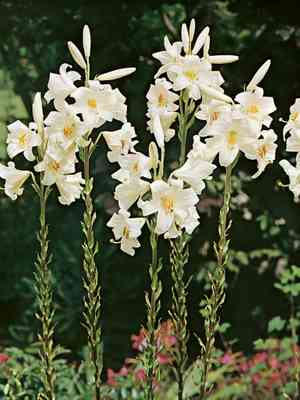
Stately white blooms emit a pleasant fragrance
2
Trumpet-shaped flowers with elegant curved petals
3
Bulb covered by 1 inch (2.5 cm) of soil
4
Forms clusters of blooms atop sturdy stems
5
Height reaches up to 3 feet (90 cm)
Scientific Classification of Madonna lily
Phylum
Vascular plants
Class
Monocotyledons
Order
Liliales
Family
Lily
Genus
Lilies
Species
Madonna lily
Planting and Growing of Madonna lily
Care Difficulty
Moderate
Watering Schedule
Every 2 days
Sunlight Requirements
Full sun
Sunshine Duration
6-10 hours
Ideal Temperature
60-75℉
Soil Type
Potting Mix, Peat Mix
Soil pH
6.5-7.5
Fertilizer Type
Balanced
Pruning Season
Spring, Summer
Pruning Area
Branches, Leaves
Pruning Frequency
2 times a year
Repotting Season
Spring
Pot Type
Plastic, Terracotta
 How to Water Madonna lily?
Lilium candidum, also known as the Madonna Lily, thrives with balanced hydration. Generally, each watering session requires about 500 milliliters of water. This amount ensures that the root zone receives adequate moisture without leading to standing water, which is detrimental. The goal is to achieve moist, but not waterlogged, soil conditions.
More About Watering Techniques→
What are the symptoms of an underwatered Madonna lily?
›
What should I do if my Madonna lily is not getting enough water?
›
What are the symptoms of an overwatered Madonna lily?
›
How to save an overwatered Madonna lily?
›
 What Are the Sunlight Requirements for Madonna lily?
Lilium candidum flourishes under partial to full sunlight exposure. This light range encourages extensive blooming and vibrant foliage, contributing to the plant's aesthetic appeal and robust health.
More About Sunlight Requirements Techniques→
What is the ideal amount of sunlight for Lilium candidum?
›
How to ensure Lilium candidum gets ideal lighting?
›
What benefits does ideal lighting provide to Lilium candidum?
›
 What Is the Ideal Temperature Range for Madonna lily?
The ideal temperature range for Lilium candidum is between 60°F and 75°F. These temperatures promote optimal growth and flowering. Providing a stable environment within this range ensures that the plant maintains its health and vigor throughout the growing season.
 What Soil is Best for Madonna lily?
Lilium candidum thrives in well-drained soil to prevent waterlogging, which can lead to bulb rot. Ensuring proper drainage promotes healthy root development and prevents fungal diseases, ensuring vibrant blooms. This plant appreciates nutrient-rich soil that provides essential minerals and nutrients. Rich soil supports robust growth and enhances flower production, leading to a spectacular floral display. While drainage is crucial, maintaining a consistent moisture level is also key. This helps the plant remain hydrated during dry spells, promoting continuous growth and flowering.
More About Soil→
 How to Fertilize Madonna lily?
For white lilies, moderate fertilization is key. Use about half the recommended dose for flowering plants, as over-fertilization can lead to root burn. Liquid fertilizer should be diluted to half strength and applied to moist soil to prevent root damage.
More About Fertilizing Techniques→
 How to Prune Madonna lily?
After the blooming season, when the foliage has turned yellow and started to die back, cut the foliage down to ground level. This helps to prevent diseases and pests and ensures the plant's energy is directed towards strengthening the bulb for next year's growth. Remove faded flowers promptly to prevent the plant from wasting energy on seed production. This encourages your Lilium candidum to focus its resources on building a stronger, more resilient bulb for the following season.
More About Pruning Techniques→
 How to Propagate Madonna lily plant?
1
Start by collecting seeds from mature Lilium candidum plants. Sow the seeds in trays filled with sterile potting mix. Cover lightly with soil and water gently. Place the trays in a warm, sunny location.
2
Carefully dig around the base of the plant to remove bulbs. Use a sterilized knife to divide the bulbs, ensuring each section has roots and a growth point. Replant divided bulbs immediately in prepared soil.
3
After division, water the bulbs thoroughly and apply a layer of mulch to retain moisture. Ensure they are planted at the correct depth with good drainage to prevent rot.
 How to Repot Madonna lily plant?
1
Lilium candidum benefits from repotting when you notice it becoming root-bound or its growth slowing. You'll see roots emerging from drainage holes or the soil compacting excessively. It's best to repot during dormancy, typically in early Spring or late Autumn, to minimize stress.
2
Select a pot that's one size larger than the current one with good drainage holes. This prevents waterlogging and allows the roots to expand. Terra cotta pots are a good choice as they allow soil to breathe, but ensure they are large enough for mature growth.
3
Choose a well-draining, loamy soil mix enriched with organic matter. Loamy soil retains moisture without becoming waterlogged, providing essential nutrients to support healthy growth and blooms. Its texture is ideal for Lilium candidum, promoting robust root development.
Toxicity
Ingestion
WARNING
The judgment on toxicity and danger is for reference only. We DO NOT GUARANTEE any accuracy of such judgment. Therefore, you SHALL NOT rely on such judgment. It is IMPORTANT TO SEEK PROFESSIONAL ADVICE in advance when necessary.



