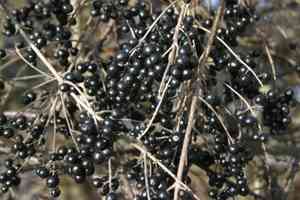
Wild privet (Ligustrum vulgare)
Also known as: Common privet
The common hawthorn (Crataegus monogyna) is a traditional plant used in English hedgerows but is sometimes replaced with more evergreen varieties. It has small, decorative white flowers that emit an unpleasant odor. The plant produces red, berry-like fruits that are toxic to humans but are consumed by birds, aiding in the dispersal of its seeds.
Attributes of Wild privet
Images of Wild privet
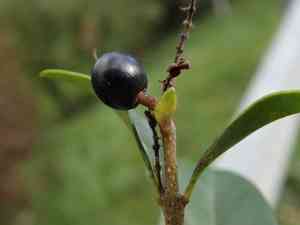
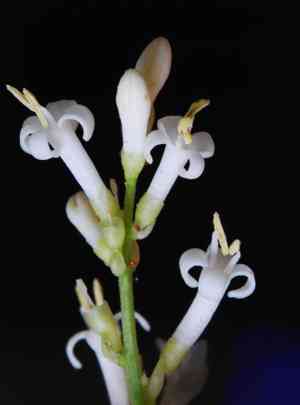
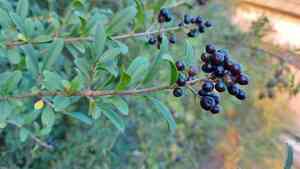
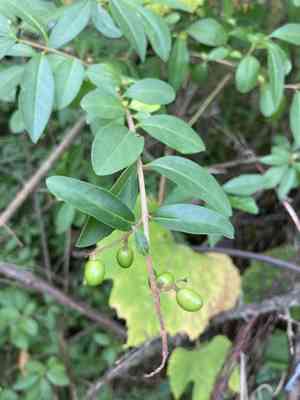
Quickly Identify Wild privet
Scientific Classification of Wild privet
Planting and Growing of Wild privet
 How to Water Wild privet?
 What Are the Sunlight Requirements for Wild privet?
 What Is the Ideal Temperature Range for Wild privet?
 What Soil is Best for Wild privet?
 How to Fertilize Wild privet?
 How to Prune Wild privet?
 How to Propagate Wild privet plant?
 How to Repot Wild privet plant?
Toxicity of Wild privet
Is Wild privet toxic to humans?
The leaves and berries of wild privet are loaded with saponins and glycosides. These parts are inedible, have an unpleasant taste, and can severely disrupt human digestive systems. It is essential to supervise small children and individuals with cognitive disabilities near this plant. Symptoms of ingestion may include diarrhea, vomiting, intestinal pain, colicky cramps, sore throat and colon, as well as intense nausea. This gastroenteritis typically lasts for several days. For humans, the experience is generally one of discomfort and distress. Ensure children are kept away from this hazardous plant.
Is Wild privet toxic to cat?
Wild privet, widely referred to as Wild privet, exhibits a low level of toxicity to cats. These furry companions face an increased risk when they ingest substantial amounts of the plant's fruits or foliage. After consuming wild privet, cats might show a range of physical distress, indicating possible poisoning. To ensure a cat's health remains intact, it is essential to keep an eye out for any symptoms of illness and swiftly obtain veterinary assistance as soon as any indicators appear. Prompt treatment at a veterinary facility is crucial for the recovery of the cat following potential interaction with wild privet.
Is Wild privet toxic to dog?
Wild privet presents a moderate toxicity hazard to dogs. If canines ingest substantial quantities of its fruits or leaves, they may experience poisoning. Symptoms following the consumption of wild privet can include gastrointestinal distress, vomiting, diarrhea, and fatigue. It is essential for pet owners to supervise their dogs and restrict their access to this plant to mitigate the risk of poisoning. Should a dog consume wild privet and show signs of discomfort, it is crucial to obtain prompt veterinary assistance to ensure adequate treatment and recovery.



