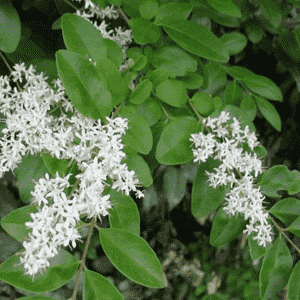
Chinese privet (Ligustrum sinense)
Also known as: Common privet, Small–leaved privet
The Chinese Privet (Ligustrum sinense) is a deciduous shrub valued by Chinese martial artists for its durable yet flexible shoots, ideal for crafting spears and darts. This versatile plant is also frequently grown as an ornamental shrub, used in hedgerows, and shaped into bonsai trees.
Attributes of Chinese privet
Images of Chinese privet
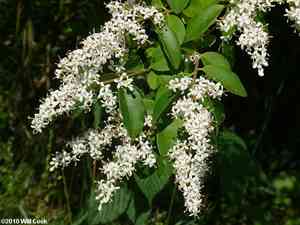
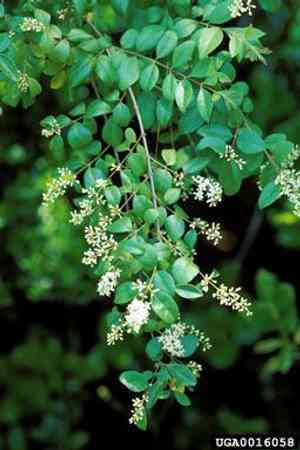
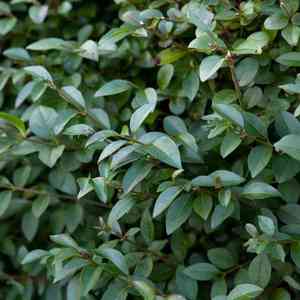
Quickly Identify Chinese privet
Scientific Classification of Chinese privet
Planting and Growing of Chinese privet
 How to Water Chinese privet?
 What Are the Sunlight Requirements for Chinese privet?
 What Is the Ideal Temperature Range for Chinese privet?
 What Soil is Best for Chinese privet?
 How to Fertilize Chinese privet?
 How to Prune Chinese privet?
 How to Propagate Chinese privet plant?
 How to Repot Chinese privet plant?
Toxicity of Chinese privet
Is Chinese privet toxic to humans?
Chinese privet is regarded as possessing toxic characteristics that can be detrimental to humans upon ingestion. The severity of effects can range from mild to moderate. The leaves and berries are identified as the toxic components of this plant. Symptoms resulting from the consumption of this plant may include abdominal pain, headaches, nausea, vomiting, diarrhea, hypotension, hypothermia, and general weakness. Given that these plants are frequently utilized as ornamental species in gardens, they may be readily accessible to children who might accidentally consume parts of the plant.
Is Chinese privet toxic to cat?
Chinese privet poses a slight toxicity risk to felines and can lead to health issues if a significant quantity is ingested. Generally, the plant's fruits and leaves contain toxic compounds that may adversely affect a cat's well-being. Ingestion of these parts in excessive amounts can trigger various symptoms that indicate physical discomfort. Given the nonspecific nature of these clinical signs, cat owners are advised to respond promptly and consult a veterinarian at the earliest indication of potential poisoning, to ensure proper treatment and a swift recovery.
Is Chinese privet toxic to dog?
Chinese privet presents a mild toxicity hazard to dogs, especially when they consume substantial amounts of the plant. The parts responsible for potential poisoning if ingested are the fruit and foliage. Dogs that have ingested chinese privet may show symptoms like gastrointestinal distress, vomiting, diarrhea, and abdominal discomfort. It is essential for dog owners to keep a close eye on their pets and to prevent them from eating large quantities of chinese privet. If a dog consumes chinese privet and exhibits symptoms of poisoning, it is critical to seek prompt veterinary assistance to facilitate proper treatment and symptom management.



