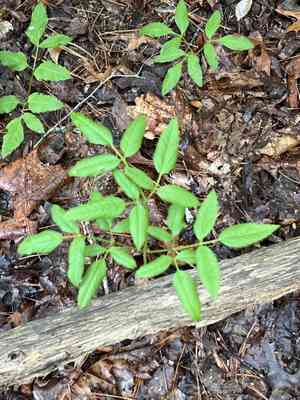
Lovage (Ligusticum) (Ligusticum)
Also known as: Ligusticum, Dong quai, Chinese angelica, Dang gui
**Angelica** is a genus comprising roughly 60 species of flowering plants. It belongs to the family Apiaceae and is native to the cool temperate regions of the Northern Hemisphere.
In This Article
Attributes of Lovage (Ligusticum)
Lifespan
Perennial
Plant Height
0.5 to 2 meters
Spread
N/A
Leaf Color
Green
Flower Size
1 to 3 millimeters (per flower)
Flower Color
White or off-white
Images of Lovage (Ligusticum)
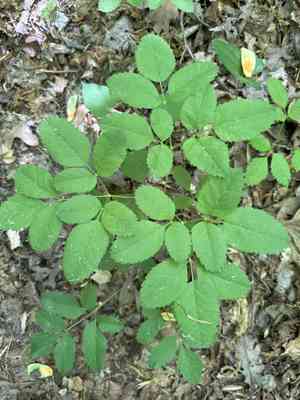
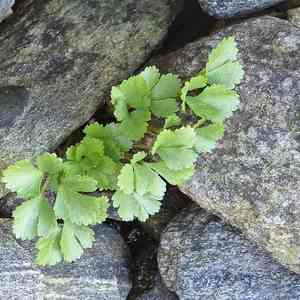
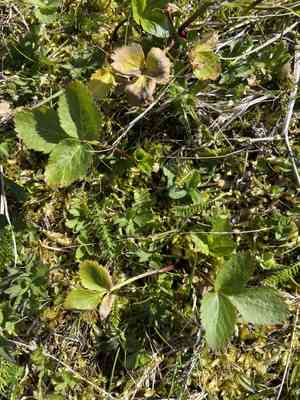
Quickly Identify Lovage (Ligusticum)
1
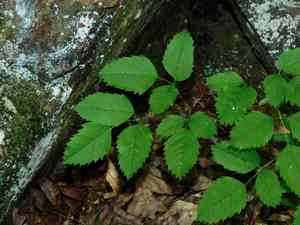
Ligusticum can be identified by its dissected leaves, umbel-shaped clusters of small white flowers, and aromatic roots. The stems are hollow and ribbed, and the plant produces flat, oval-shaped seeds.
Scientific Classification of Lovage (Ligusticum)
Phylum
Tracheophyta
Class
Magnoliopsida
Order
Apiales
Family
Apiaceae
Genus
Ligusticum
Planting and Growing of Lovage (Ligusticum)
Care Difficulty
Moderate
Watering Schedule
Every 4 days
Sunlight Requirements
Partial sun
Sunshine Duration
4-8 hours
Ideal Temperature
59-68℉
Soil Type
Potting Mix, Peat Mix
Soil pH
6.5-7.5
Fertilizer Type
Balanced
Pruning Season
Spring, Summer
Pruning Area
Branches, Leaves
Pruning Frequency
2 times a year
Repotting Season
Spring
Pot Type
Plastic, Ceramic
 How to Water Lovage (Ligusticum)?
The water amount for Ligusticum should be enough to moisten the soil evenly. Typically, watering until the soil is damp but not soggy or waterlogged ensures the roots receive adequate hydration. A good rule of thumb is about 500 milliliters per watering session, depending on the pot size and climate conditions.
What are the symptoms of an underwatered Lovage (Ligusticum)?
›
What should I do if my Lovage (Ligusticum) is not getting enough water?
›
What are the symptoms of an overwatered Lovage (Ligusticum)?
›
How to save an overwatered Lovage (Ligusticum)?
›
 What Are the Sunlight Requirements for Lovage (Ligusticum)?
Ligusticum prefers partial to full sun conditions, benefitting from morning light with partial afternoon shade. This range supports vigorous growth and lush foliage development.
What are the ideal lighting conditions for Ligusticum?
›
How to achieve ideal lighting for Ligusticum?
›
What are the benefits of ideal lighting conditions for Ligusticum?
›
 What Is the Ideal Temperature Range for Lovage (Ligusticum)?
The ideal temperature range for Ligusticum cultivation falls between 59°F and 68°F. This range provides an optimal environment that supports robust growth and prevents stress-induced vulnerabilities. Maintaining such a range ensures efficient photosynthesis and overall health of the plant.
 What Soil is Best for Lovage (Ligusticum)?
Ligusticum thrives in soil that provides excellent drainage. Ensuring good drainage prevents root rot, especially in areas with heavy rainfall. This condition is crucial for maintaining the health and vigor of the plant, enabling it to absorb nutrients effectively. This plant prefers soil rich in organic matter. Incorporating compost or well-rotted manure into the soil can significantly boost its nutrient levels, promoting robust and healthy growth, and enhancing its resistance to pests and diseases. While Ligusticum requires well-drained soil, it also benefits from moderate moisture retention. This balance helps maintain consistent moisture levels, preventing the plant from drying out during hot spells or drought conditions.
 How to Fertilize Lovage (Ligusticum)?
When fertilizing Ligusticum, ensure to apply fertilizer at a moderate level. Typically, use a balanced fertilizer with an NPK ratio of 10-10-10. For liquid fertilizers, apply at a rate of 1 teaspoon per gallon of water, and for slow-release fertilizers, spread 1/4 cup around the root zone per application.
 How to Prune Lovage (Ligusticum)?
Start by removing any dead, damaged, or diseased stems. This not only improves the plant's appearance but also encourages healthier growth. Focus on trimming back any growth that looks weak or is overcrowding the center of the plant, which helps maintain an open structure. Prune to shape the plant and control its size by cutting back the longest stems, encouraging a more compact and aesthetically pleasing form.
 How to Propagate Lovage (Ligusticum) plant?
1
Use well-draining soil mixed with organic compost to provide the necessary nutrients for Ligusticum. Ensure the soil is loose and free of large clumps to promote root penetration and growth.
2
Scatter Ligusticum seeds evenly in the trays, pressing them gently into the soil. Cover with a thin layer of soil and mist lightly to keep the seeds moist but not soaked. Position the trays in a warm, light area.
3
Carefully remove the plant from its pot or garden bed and gently shake off excess soil. Use a sharp knife to divide the rhizome or roots into sections, ensuring each piece has a minimum of one shoot and one root.
 How to Repot Lovage (Ligusticum) plant?
1
Ligusticum needs repotting when its roots start poking out of the drainage holes, or when growth noticeably stunts. This typically indicates the plant has outgrown its current container.
2
Select a pot that is one size larger than the current one with good drainage holes. This allows the roots more space to expand, promoting healthier growth and preventing waterlogging.
3
Opt for a well-draining, loamy soil mix. This provides essential nutrients and allows excess water to escape, preventing root rot and ensuring the plant's overall wellbeing.
Learn More About Lovage (Ligusticum) Diseases
Anthracnose
Bacterial Leaf Spot
Bacterial Soft Rot
Bacterial Wilt
Chemical Injury
Crown Gall
Cyst Nematode
Damping-off
Downy Mildew
Drought Stress
Fusarium Wilt
Gray Mold
Leaf Spot
Mosaic
Nutrient Deficiency
Nutrient Toxicity
Powdery Mildew
Root Rot
Root-knot Nematode
Rusts
Sooty Mold
Spider Mites
Temperature Stress
Thrips Damage
White Mold

