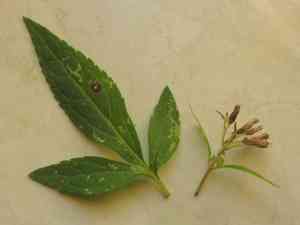
Smallhead blazing star (Liatris microcephala)
Also known as: Smallhead Blazing Star, Smallhead Gayfeather
The Smallhead blazing star is a small perennial herb characterized by its thin stems and dense, purple flower clusters that bloom from late summer to early fall. It thrives in dry, well-drained soils and open areas such as prairies and savannas in its native Southeastern U.S. habitats. The plant's vibrant flowers attract a variety of pollinators, including butterflies.
In This Article
Attributes of Smallhead blazing star
Lifespan
Perennial
Plant Type
Herb
Plant Height
46 cm to 61 cm
Spread
30 cm
Leaf Color
Green
Flower Size
2.5 cm
Flower Color
Purple
Images of Smallhead blazing star
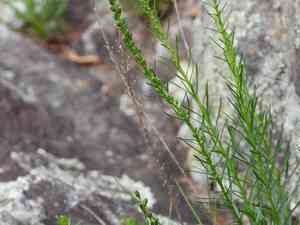
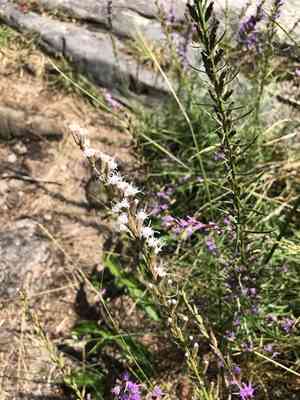
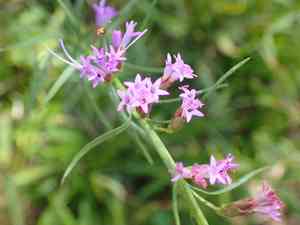
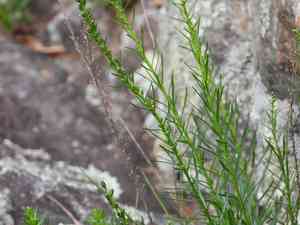
Quickly Identify Smallhead blazing star
1
Terminal spikes with rose-purple fluffy disc flowers
2
Slender grass-like leaves, diminishing in size up the stem
3
Erect stem, green to brownish, with fine hair-like texture
4
Distinctive tiered appearance from small upper stem leaves
5
Bristle-like profile when in full bloom
Scientific Classification of Smallhead blazing star
Phylum
Vascular plants
Class
Dicotyledons
Order
Asterales
Family
Daisy
Genus
Gay feathers
Species
Smallhead blazing star
Planting and Growing of Smallhead blazing star
Care Difficulty
Easy
Watering Schedule
Every 3 days
Sunlight Requirements
Full sun
Sunshine Duration
4-6 hours
Ideal Temperature
70-80℉
Soil Type
Potting Mix, Peat Mix
Soil pH
6.5-7.5
Fertilizer Type
Balanced
Pruning Season
Spring, Summer
Pruning Area
Branches, Leaves
Pruning Frequency
2 times a year
Repotting Season
Spring
Pot Type
Plastic, Ceramic
 How to Water Smallhead blazing star?
Liatris microcephala prefers to be watered thoroughly but infrequently. Aim for around 200 milliliters per session, ensuring the soil is well-drained. Water to the point where the soil is moist but not saturated, allowing excess water to seep through the drainage holes.
What are the symptoms of an underwatered Smallhead blazing star?
›
What should I do if my Smallhead blazing star is not getting enough water?
›
What are the symptoms of an overwatered Smallhead blazing star?
›
How to save an overwatered Smallhead blazing star?
›
 What Are the Sunlight Requirements for Smallhead blazing star?
Requires full sun to partial sun. Optimal sunlight maintains vibrant blooms and high-energy photosynthesis, supporting strong, dense growth.
What is the best position for Liatris microcephala?
›
How to ensure proper sunlight exposure for Liatris microcephala?
›
What benefits does Liatris microcephala gain from ideal sunlight?
›
 What Is the Ideal Temperature Range for Smallhead blazing star?
The ideal temperature range for Liatris microcephala is between 70°F and 80°F. This range provides optimal conditions for growth and blooming, allowing the plant to thrive with adequate warmth and minimal stress. Maintaining this temperature range ensures the plant's metabolic processes function efficiently.
 What Soil is Best for Smallhead blazing star?
Liatris microcephala thrives in well-drained soils, preventing root rot and ensuring its bulbous roots receive ample air. This condition mimics its natural habitat and safeguards against waterlogging. This plant is adapted to thrive in nutrient-poor soils, which helps prevent over-fertilization and excessive growth of foliage at the expense of flower production. The ability to withstand drier soils makes Liatris microcephala an excellent choice for xeriscaping and regions with less frequent rainfall, conserving water while maintaining plant health.
 How to Fertilize Smallhead blazing star?
Liatris microcephala benefits from a balanced fertilizer, typically using about 1/4 strength of an all-purpose liquid fertilizer diluted in water. Care should be taken not to overfeed, as this plant thrives in slightly lean conditions.
 How to Prune Smallhead blazing star?
Begin by removing any dead or damaged stems to improve the plant's overall health. Next, trim back the stems by one-third to encourage bushier growth and promote the development of attractive purple spikes typical of Liatris microcephala. Use sharp, clean pruning shears to make precise cuts. This will help prevent any diseases from spreading due to ragged or torn cuts, ensuring that the plant remains healthy and vigorous.
More About Pruning Techniques→
 How to Propagate Smallhead blazing star plant?
1
Collect seeds from mature Liatris microcephala flowers when they turn dry and brown. Ensure seeds are fully matured to improve germination rates. Store them in a cool, dry place until ready to plant.
2
Prepare a well-draining soil mix with sand and loam to create a suitable environment for seedling development. Ensure the soil is slightly moist but not waterlogged before planting.
3
Carefully dig around the plant's base to expose the roots. Use a garden spade to divide the clump into sections, making sure each section has roots and shoots for successful propagation.
 How to Repot Smallhead blazing star plant?
1
Determine the right time to repot your Liatris microcephala by observing its growth signals. Signs include roots growing out of the pot’s drainage holes, compacted soil, or a general lack of growth. The best time for repotting is during Spring, as the plant enters its active growth phase.
2
Select a pot that is one size larger than the current one with good drainage capabilities. A pot with the right size allows roots to spread while preventing waterlogging, which can lead to root rot. Terra cotta pots are ideal as they allow for air circulation, balancing soil moisture.
3
Opt for a well-draining sandy loam to meet the Liatris microcephala's needs. Such soil provides excellent drainage, preventing water accumulation around the roots. A suitable mix often includes equal parts of sand, loam, and perlite or coarse grit for enhanced aeration.
Learn More About Smallhead blazing star Diseases
Anthracnose
Bacterial Leaf Spot
Bacterial Soft Rot
Bacterial Wilt
Crown Gall
Cyst Nematode
Damping-off
Downy Mildew
Drought Stress
Fusarium Wilt
Gray Mold
Leaf Spot
Mosaic
Nutrient Deficiency
Nutrient Toxicity
Powdery Mildew
Root Rot
Root-knot Nematode
Rusts
Sooty Mold
Spider Mites
Temperature Stress
Thrips Damage
White Mold
Chemical Injury



