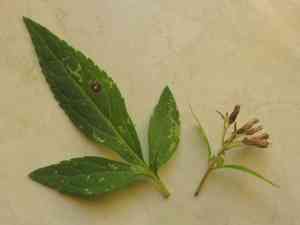
Sharp blazing star (Liatris acidota)
Also known as: Blazing Star, Gayfeather
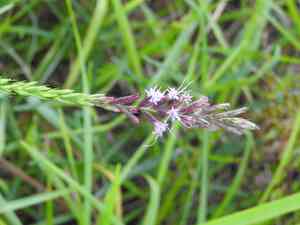
L. acidota grows from rounded to elongated corms and features smooth, hairless stems that typically range from 20 to 90 centimeters in height, though some specimens can reach up to 130 centimeters. This plant produces dense clusters of purple flowers arranged in a spike-like formation along the stems.
In This Article
Attributes of Sharp blazing star
Lifespan
Perennial
Plant Type
Herb
Plant Height
30 cm to 91 cm
Spread
0.5 to 1 feet
Leaf Color
Green
Flower Size
0.5 to 1 inch
Flower Color
Purple, Pink, White
Images of Sharp blazing star
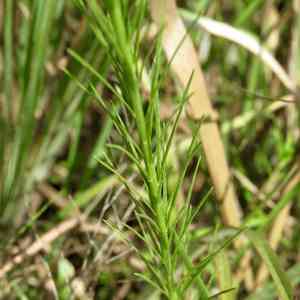
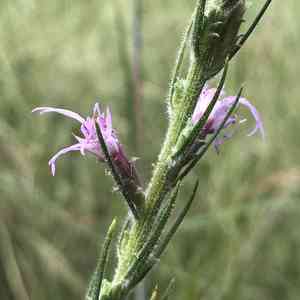
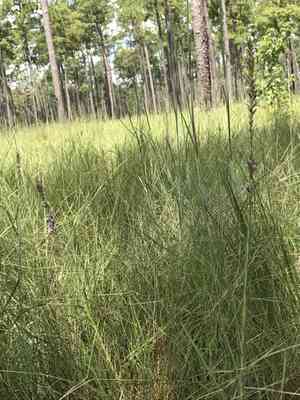
Quickly Identify Sharp blazing star
1
Liatris acidota can be identified by its tall, slender stalks that can reach up to 3 feet in height, adorned with dense spikes of purple, pink, or white flowers. The leaves are narrow and grass-like, growing in a spiraled pattern up the stem.
Scientific Classification of Sharp blazing star
Phylum
Vascular plants
Class
Dicotyledons
Order
Asterales
Family
Daisy
Genus
Gay feathers
Species
Sharp blazing star
Planting and Growing of Sharp blazing star
Care Difficulty
Easy
Watering Schedule
Every 3 days
Sunlight Requirements
Full sun
Sunshine Duration
6-8 hours
Ideal Temperature
65-75℉
Soil Type
Potting Mix, Peat Mix
Soil pH
6.5-7.5
Fertilizer Type
Balanced
Pruning Season
Spring, Summer
Pruning Area
Branches, Leaves
Pruning Frequency
2 times a year
Repotting Season
Spring
Pot Type
Plastic, Terracotta
 How to Water Sharp blazing star?
Liatris acidota requires about 250 ml of water each time you water it. It's important to ensure the soil is moist but not soggy, as these plants prefer well-drained conditions. Water until the soil is thoroughly moist, avoiding waterlogging the roots.
What are the symptoms of an underwatered Sharp blazing star?
›
What should I do if my Sharp blazing star is not getting enough water?
›
What are the symptoms of an overwatered Sharp blazing star?
›
How to save an overwatered Sharp blazing star?
›
 What Are the Sunlight Requirements for Sharp blazing star?
This plant thrives best with full sun exposure. Sufficient sunlight ensures strong growth, vibrant blooms, and lush foliage, supporting vital photosynthesis processes.
What type of sunlight is best?
›
What solutions ensure ideal light?
›
Benefits of ideal lighting?
›
 What Is the Ideal Temperature Range for Sharp blazing star?
The ideal temperature range for Liatris acidota is between 65°F and 75°F. This range provides optimal conditions for growth, ensuring efficient photosynthesis and metabolic activities. When grown within this range, the plant is less likely to experience stress from extreme temperatures, promoting healthy development and flowering.
 What Soil is Best for Sharp blazing star?
Liatris acidota thrives in well-draining soil that prevents water from pooling around its roots. Good drainage avoids root rot and encourages strong root health, allowing the plant to absorb essential nutrients more effectively. A soil rich in nutrients supports the vigorous growth of Liatris acidota. This condition ensures the plant receives adequate amounts of nitrogen, phosphorus, and potassium, crucial for its flowering and overall health. While this plant tolerates some dry periods, it benefits from soil that retains a moderate level of moisture without becoming soggy. This balance provides consistent hydration, supporting robust growth and vibrant blooms.
 How to Fertilize Sharp blazing star?
Liatris acidota benefits from a balanced fertilizer applied lightly. Use approximately 1/4th cup of a balanced 10-10-10 fertilizer per mature plant during the growing season. Ensure to distribute the fertilizer evenly around the plant base, avoiding direct contact with the foliage.
 How to Prune Sharp blazing star?
Be cautious not to remove more than one-third of the plant at one time. This helps avoid stressing the plant, which could hinder its growth and blooming potential. Regularly check for signs of pests or diseases both before and after pruning. Quick detection and response can save your plant from potential hazards. Aim to prune just after the flowering period in each respective season. This allows the plant to recover and set new buds for the next flowering cycle.
More About Pruning Techniques→
 How to Propagate Sharp blazing star plant?
1
Start by filling your seed tray with a suitable potting mix. Sprinkle the seeds over the surface and cover them with a thin layer of soil. Water gently to keep the soil moist, but not soggy, until germination occurs.
2
Carefully dig around the plant to avoid damaging the roots. Once lifted, gently shake off excess soil. Using your sharp knife, divide the root ball into sections, ensuring each section has a healthy set of roots and shoots.
3
Plant the divisions in prepared holes at the same depth they were growing before. Water immediately to help the soil settle and provide moisture for the newly planted divisions to take root and grow.
 How to Repot Sharp blazing star plant?
1
Liatris acidota shows signs for repotting when its roots start pushing through the drainage holes of the current pot, or the soil seems compacted and dense. Another signal is when the plant appears stunted despite adequate care, indicating root bound conditions. Early spring before new growth begins is the ideal time for this process, as it allows the plant to recover and establish in its new pot throughout the growing season.
2
When selecting a pot for repotting Liatris acidota, choose one that is only marginally larger than the current pot. Approximately 1-2 inches wider in diameter is preferable. This prevents excess soil mass that can retain too much moisture, potentially leading to root rot. Additionally, ensure the pot has ample drainage holes to allow excess water to escape, maintaining a drier environment that Liatris prefers.
3
For Liatris acidota, choose a potting mix that is well-draining with a sandy loam texture. This type of soil prevents waterlogging while allowing proper airflow around the roots. The addition of perlite or coarse sand can help enhance drainage and prevent compaction, ensuring that the roots have a healthy environment to expand and thrive.
Learn More About Sharp blazing star Diseases
Anthracnose
Bacterial Leaf Spot
Bacterial Soft Rot
Bacterial Wilt
Crown Gall
Cyst Nematode
Damping-off
Downy Mildew
Drought Stress
Fusarium Wilt
Gray Mold
Leaf Spot
Mosaic
Nutrient Deficiency
Nutrient Toxicity
Powdery Mildew
Root Rot
Root-knot Nematode
Rusts
Sooty Mold
Spider Mites
Temperature Stress
Thrips Damage
White Mold



