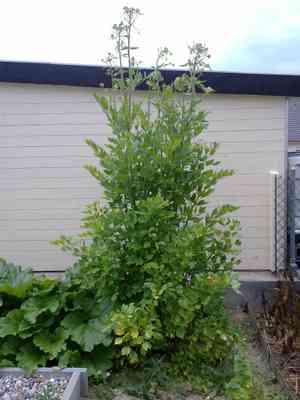
Lovage (Levisticum officinale)
Also known as: Lovage, Maggi plant
**Benefits:**
1. **Culinary Uses**: Lovage, with its robust, celery-like taste, can elevate the flavor of soups, stews, and salads. Both its leaves and stems are edible.
2. **Attracts Pollinators**: The plant's summer-blooming yellow flowers draw bees, butterflies, and other beneficial insects, enhancing garden pollination.
3. **Wildlife Appeal**: Birds are attracted to lovage seeds, adding to garden biodiversity.
4. **Hardy Growth**: Lovage is a hardy perennial that thrives in various soil types, making it an easy addition to most gardens.
**Potential Risks:**
1. **Toxicity Concerns**: Some parts of the plant are considered toxic and may cause adverse effects if consumed in large quantities.
2. **Diuretic Effects**: Lovage can increase urination, which may be problematic for individuals with certain health conditions or those taking specific medications.
3. **Skin Sensitivity**: Handling the plant can cause skin irritation or photosensitivity due to its chemical compounds.
4. **Invasive Potential**: If not properly managed, lovage can spread aggressively and dominate garden spaces.
Consult a healthcare professional before using lovage for medicinal purposes and exercise caution when incorporating it into your diet.
Attributes of Lovage
Images of Lovage
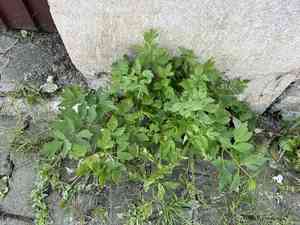
Quickly Identify Lovage
Scientific Classification of Lovage
Planting and Growing of Lovage
 How to Water Lovage?
 What Are the Sunlight Requirements for Lovage?
 What Is the Ideal Temperature Range for Lovage?
 What Soil is Best for Lovage?
 How to Fertilize Lovage?
 How to Prune Lovage?
 How to Propagate Lovage plant?
 How to Repot Lovage plant?
Toxicity of Lovage
Is Lovage toxic to cat?
Lovage contains a mild toxic compound harmful to cats and may result in poisoning if consumed in significant quantities. Every section of the lovage plant is regarded as toxic, and affected cats might exhibit signs of physical distress when poisoned. It is important for cat owners to vigilantly supervise their pets and restrict access to lovage, as consumption could lead to negative reactions. If a cat accidentally ingests lovage, it is imperative to seek prompt veterinary assistance to properly address the situation and lessen its effects.
Is Lovage toxic to dog?
Lovage presents a slight toxicity hazard to dogs. If ingested in large quantities, every part of the plant could potentially cause poisoning. Affected dogs may show signs of gastrointestinal distress or other mild reactions after consuming lovage. It is essential for dog owners to keep a close eye on their pets and restrict their access to areas where lovage flourishes. Should a dog consume a considerable amount of lovage, seeking immediate veterinary assistance is vital to safeguard the animal's health and well-being.



