
Key thatch palm (Leucothrinax morrisii)
Also known as: Broom thatch palm, Key thatch palm
Leucothrinax morrisii, also known as the Key Thatch Palm, features palmate leaves with solitary, slender brown or grey trunks that can reach heights between 1 and 11 meters and diameters of 5 to 35 cm. The leaves present a pale blue-green or yellow-green hue, with a whitish underside. The petioles, which range from 27 to 84 cm in length, are split. The individual leaflets measure between 33 and 75 cm long and 2.5 to 5 cm wide.
In This Article
Attributes of Key thatch palm
Lifespan
Perennial
Plant Type
Tree, Shrub
Plant Height
10 m
Spread
3.5 m
Leaf Color
Bright green with a silvery underside
Flower Size
Small, less than 1 cm
Flower Color
White
Images of Key thatch palm
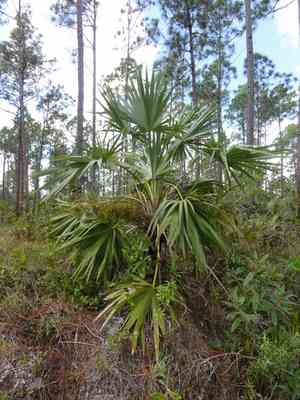
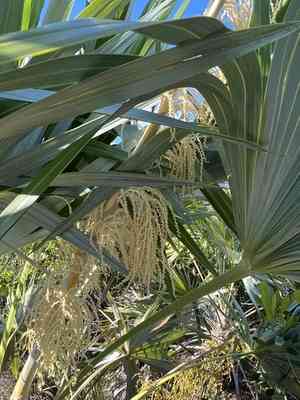
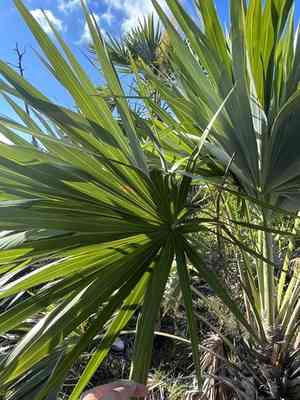
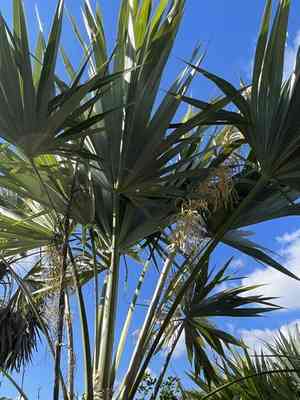
Quickly Identify Key thatch palm
1
Leucothrinax morrisii can be identified by its solitary, slender trunk and fan-shaped leaves. The leaves are bright green, with a silvery underside, and are compound with multiple leaflets. The inflorescence is branched, and it produces small, white flowers followed by spherical, black fruits.
Scientific Classification of Key thatch palm
Phylum
Vascular plants
Class
Monocotyledons
Order
Arecales
Family
Palm
Genus
White thatch palm
Species
Key thatch palm
Planting and Growing of Key thatch palm
Care Difficulty
Moderate
Watering Schedule
Every 2 days
Sunlight Requirements
Full sun
Sunshine Duration
6-10 hours
Ideal Temperature
75-85℉
Soil Type
Potting Mix, Peat Mix
Soil pH
6.5-7.5
Fertilizer Type
Balanced
Pruning Season
Spring, Summer
Pruning Area
Branches, Leaves
Pruning Frequency
2 times a year
Repotting Season
Spring
Pot Type
Plastic, Terracotta
 How to Water Key thatch palm?
The optimal watering amount for Leucothrinax morrisii is about 500 ml per session. It's critical to ensure the soil is moist but not saturated. An effective method is to pour water slowly until a trickle of water escapes from the drainage hole at the pot's bottom, signaling adequate moisture has reached the root zone.
What are the symptoms of an underwatered Key thatch palm?
›
What should I do if my Key thatch palm is not getting enough water?
›
What are the symptoms of an overwatered Key thatch palm?
›
How to save an overwatered Key thatch palm?
›
 What Are the Sunlight Requirements for Key thatch palm?
Partial to full sun ensures Leucothrinax morrisii grows robustly, maintaining its tropical aesthetic with strong, vibrant foliage and optimal photosynthetic energy balance.
Primary Lighting Needs
›
Solution for Ideal Lighting
›
Benefits of Ideal Sunlight
›
 What Is the Ideal Temperature Range for Key thatch palm?
Leucothrinax morrisii thrives best in temperatures ranging from 75°F to 85°F. This range ensures that the plant receives adequate warmth to sustain its growth while preventing heat stress. Maintaining this temperature range creates an ideal environment for photosynthesis and nutrient absorption, promoting overall plant health.
 What Soil is Best for Key thatch palm?
Leucothrinax morrisii thrives in loose, well-draining soils that mimic its natural coastal habitat. Such soil prevents waterlogging, reducing the risk of root rot and ensuring optimal growth. Adapted to nutrient-poor conditions, this palm benefits from soils that do not retain excessive organic matter. This helps prevent over-fertilization, which can negatively impact its health. Incorporating sand into the soil mix enhances aeration and drainage. This soil structure supports healthy root development, crucial for the plant's resilience in harsh environments.
 How to Fertilize Key thatch palm?
For Leucothrinax morrisii, the ideal fertilizer amount should be modest, as this plant prefers not to be overwhelmed with nutrients. A dilution of liquid fertilizer at half the recommended strength, applied evenly, ensures the plant absorbs nutrients without risk of burn.
 How to Prune Key thatch palm?
Start by examining the plant for fronds that are yellowing or have already turned brown. These are the fronds that need to be cut back. Carefully follow the base of the frond down to its attachment point at the stem. Use your sterilized tools to cut the frond as close to the stem as possible without damaging the stem itself. Make sure to cut at an angle to allow water runoff, which helps in preventing rot and fungal issues. Collect all removed material and dispose of it properly to prevent any disease or pest infestation. Avoid leaving frond debris around the base of the plant, as this can create a harbor for diseases. While pruning, check for any signs of pest infestation or disease. Look for unusual spots, discolorations, or insect activity. Early detection and management can help maintain the health and aesthetics of your plant.
More About Pruning Techniques→
 How to Propagate Key thatch palm plant?
1
Collect seeds from a healthy Leucothrinax morrisii plant, ensuring they are mature and free from any diseases. Clean and dry them to prepare for planting. This ensures only viable seeds are used.
2
Place the seeds into seed trays filled with potting mix. Cover them lightly with soil. Ensure the seeds are spaced adequately to prevent overcrowding, which can inhibit growth and air circulation.
3
Water the seed trays gently and consistently, keeping the soil moist but not waterlogged. Use a fine mist spray to avoid disturbing the soil surface and ensure even moisture distribution.
 How to Repot Key thatch palm plant?
1
You should consider repotting Leucothrinax morrisii when you notice roots poking through the drainage holes or the plant struggles with water drainage. These signs suggest that the pot is too small. Spring or early summer is ideal because the plant enters its growing phase, allowing it to establish in new soil.
2
Select a pot that is one size larger than the current one to give the roots room to grow. The pot must have adequate drainage holes to prevent waterlogging, which can lead to root rot. Pot material, such as terracotta, can also help with air circulation around the roots, promoting plant health.
3
Use a well-draining potting mix ideally suited for palm trees, which Leucothrinax morrisii is a part of. Incorporate sand or perlite to improve drainage. This blend prevents water from sitting around the roots, thus reducing the risk of fungal diseases and ensuring proper aeration.



