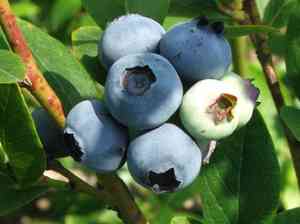
Sierra laurel (Leucothoe davisiae)
Also known as: Sierra Laurel, Mountain Laurel
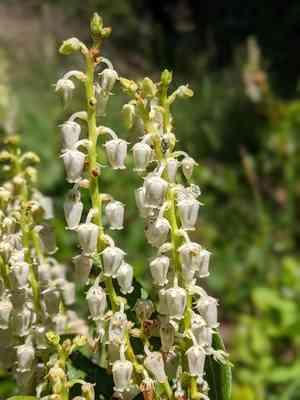
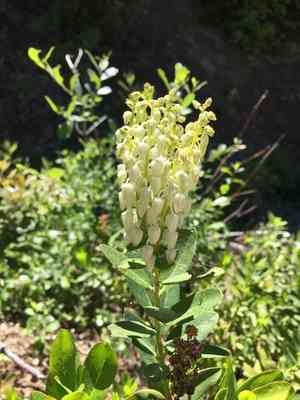
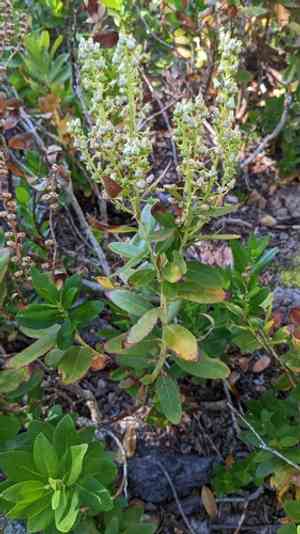
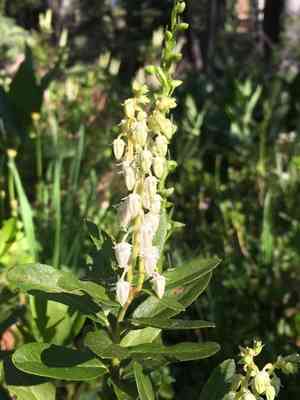
Sierra laurel is an evergreen shrub recognized for its reddish stems and elongated leaves, which take on a purplish hue in the fall, adding seasonal interest to gardens. It produces clusters of delicate, white, bell-shaped flowers with a subtle fragrance. This plant thrives in moist, acidic soils and is typically found in shaded woodland areas, showcasing its ability to flourish in low-light conditions.
In This Article
Attributes of Sierra laurel
Lifespan
Perennial
Plant Type
Shrub
Plant Height
91 cm to 1.8 m
Spread
1-3 feet (30-90 cm)
Leaf Color
Dark green
Flower Size
0.2 inches (5 mm)
Flower Color
White
Images of Sierra laurel
Quickly Identify Sierra laurel
1
The plant can be identified by its glossy, evergreen leaves and its drooping clusters of small, white, urn-shaped flowers that appear in late spring. The leaves are alternate and lanceolate-shaped, providing a distinctive look.
Scientific Classification of Sierra laurel
Phylum
Vascular plants
Class
Dicotyledons
Order
Ericales
Family
Heath
Genus
Doghobbles
Species
Sierra laurel
Planting and Growing of Sierra laurel
Care Difficulty
Moderate
Watering Schedule
Every 4 days
Sunlight Requirements
Partial sun
Sunshine Duration
10-12 hours
Ideal Temperature
60-75℉
Soil Type
Potting Mix
Soil pH
5-6.5
Fertilizer Type
Balanced
Pruning Season
Spring, Summer
Pruning Area
Branches, Leaves
Pruning Frequency
2 times a year
Repotting Season
Spring
Pot Type
Plastic, Ceramic
 How to Water Sierra laurel?
For Leucothoe davisiae, each watering should saturate the soil without leaving waterlogged conditions. The goal is for the top few inches to be thoroughly moistened, allowing excess water to drain, ensuring the roots have sufficient moisture while preventing rot.
What are the symptoms of an underwatered Sierra laurel?
›
What should I do if my Sierra laurel is not getting enough water?
›
What are the symptoms of an overwatered Sierra laurel?
›
How to save an overwatered Sierra laurel?
›
 What Are the Sunlight Requirements for Sierra laurel?
Leucothoe davisiae ideally requires partial shade to full shade conditions. This prevents the leaves from burning while promoting rich, lush foliage growth. The specified range supports its natural adaptability to woodland settings, where light levels are subdued but consistent.
What conditions does Leucothoe davisiae thrive in?
›
How can I ensure my plant gets the best light?
›
What are the benefits of the ideal lighting?
›
 What Is the Ideal Temperature Range for Sierra laurel?
What is the ideal temperature range for Leucothoe davisiae cultivation? The ideal temperature range for Leucothoe davisiae is between 60°F and 75°F. This range provides optimal conditions for growth and ensures the plant's foliage remains healthy and vibrant. Consistently maintaining this temperature range minimizes stress and supports vigorous development.
 What Soil is Best for Sierra laurel?
Leucothoe davisiae thrives in soil that retains some moisture. Ensuring consistent moisture levels helps maintain the plant's lushness and vibrant foliage. Avoid letting the soil dry out completely to prevent stress and leaf drop. This plant favors well-draining soils to avoid waterlogged conditions. Proper drainage prevents root rot and provides the roots with adequate oxygen, essential for healthy growth and disease prevention. A rich, fertile soil profile benefits the Leucothoe davisiae by supplying essential nutrients required for robust development. Regularly adding organic matter enhances soil fertility, promoting lush growth and resilience against pests and diseases.
 How to Fertilize Sierra laurel?
For Leucothoe davisiae, the fertilizer amount should be adjusted based on the type of fertilizer used. A general guideline is to use a balanced 10-10-10 fertilizer, applying around 1 tablespoon per foot of plant height for liquid fertilizers during the growing season. For slow-release fertilizers, use about 1/2 cup per plant annually, evenly spread around the base.
 How to Prune Sierra laurel?
To prune Leucothoe davisiae, begin by removing any dead, damaged, or diseased branches. Use sharp, clean pruning shears to make clean cuts just above a healthy bud. Shape the plant by cutting back overgrown branches to maintain its natural form. Prune selectively to maintain airflow through the branches. After the flowering period in spring, cut back the oldest and tallest stems to encourage new growth. Identify the oldest branches which may appear more woody and lack foliage. This will invigorate the plant, stimulate new shoots, and ensure an even, bushier growth pattern.
More About Pruning Techniques→
 How to Propagate Sierra laurel plant?
1
Choose healthy, disease-free stems from a mature Leucothoe davisiae plant. Ensurethat the stems are neither too old nor too soft, as these may not root well.
2
Using sharp pruning shears, cut a 4-6 inch section just below a leaf node. Remove the lower leaves to expose nodes that will promote root growth in a cutting.
3
Dip the cut end of the stem in rooting hormone, and plant it in a pot filled with a well-draining potting mix. Firm the soil gently around the base of the cutting.
 How to Repot Sierra laurel plant?
1
Repot Leucothoe davisiae when you notice the roots are circling the pot's bottom or emerging from drainage holes. Additionally, if the plant's growth slows or the potting mix does not retain moisture as expected, it's time to consider repotting. The ideal times are in spring or autumn when the plant is not in active growth or dormant.
2
Opt for a pot that is 2-3 inches larger in diameter than the current one. Use pots with drainage holes to prevent waterlogging, which is crucial for the health of Leucothoe davisiae. This size will give the roots adequate space to expand without overwhelming them, promoting healthy and balanced growth.
3
Choose a soil mix that is acidic and well-draining, similar to its natural habitat. A mix containing peat, pine bark, and perlite is ideal. This type of soil helps maintain the acidity levels Leucothoe davisiae thrives in and ensures that water does not accumulate around the roots, reducing the risk of root rot.
Toxicity
Ingestion
WARNING
The judgment on toxicity and danger is for reference only. We DO NOT GUARANTEE any accuracy of such judgment. Therefore, you SHALL NOT rely on such judgment. It is IMPORTANT TO SEEK PROFESSIONAL ADVICE in advance when necessary.



