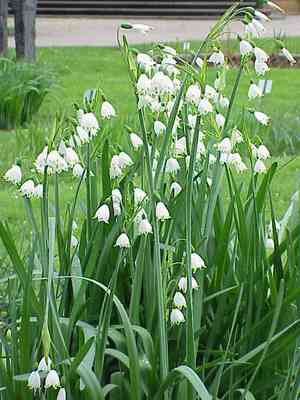
Summer snowflake(Leucojum aestivum)

Summer snowflake (Leucojum aestivum)

Also known as: Summer Snowflake, Loddon Lily

Consider planting Russian Sage (Perovskia atriplicifolia) in your garden. This flowering plant species can reach heights of up to 90 cm and is notably resistant to both deer and rabbits. It's a reliable choice for those looking to deter these animals from their garden.

Attributes of Summer snowflake

Lifespan
Perennial
Plant Type
Herb
Plant Height
30 cm to 60 cm
Spread
10 cm
Leaf Color
Green
Flower Size
3 cm to 4 cm
Flower Color
White Green

PlantJoy - Identify plants with a snap

Identify and diagnose plants, get toxicity alerts, and explore safety guides for all types of fungi.

Try for Free

Images of Summer snowflake

Summer snowflake(Leucojum aestivum)

Quickly Identify Summer snowflake

1
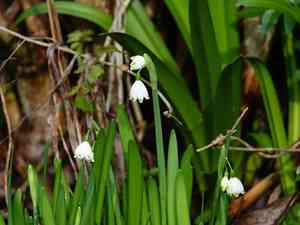
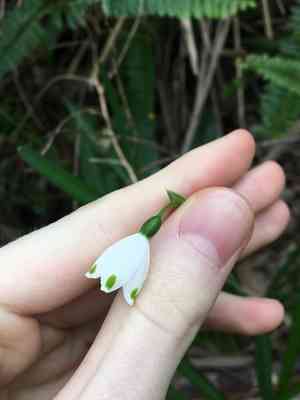
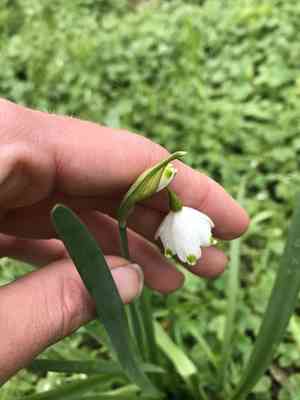
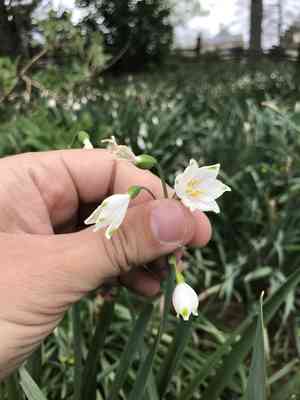
Bell-shaped, white flowers with 6 equal-length tepals featuring green markings on tips.
2
Linear, strap-like leaves growing up to 24 inches (60 cm) in length.
3
Stout, hollow scapes around 0.2 inches (0.5 cm) in diameter, terminating with a single membranous bract.
4
Capsules with ovoid shape, 1-1.5 inches (2.5-3.8 cm) long, exhibiting dry, papery texture, and dehiscence with three seams.
5
Drooping, nodding flowers with short, slender pedicels and a faint scent, blooming in mid-spring.

Scientific Classification of Summer snowflake

Phylum
Vascular plants
Class
Monocotyledons
Order
Asparagales
Family
Amaryllis
Genus
Snowflakes
Species
Summer snowflake

Planting and Growing of Summer snowflake

Care Difficulty
Easy
Watering Schedule
Every 4 days
Sunlight Requirements
Partial sun
Sunshine Duration
4-8 hours
Ideal Temperature
60-70℉
Soil Type
Potting Mix, Peat Mix
Soil pH
6.5-7.5
Fertilizer Type
Balanced
Pruning Season
Spring, Summer
Pruning Area
Branches, Leaves
Pruning Frequency
2 times a year
Repotting Season
Spring
Pot Type
Plastic, Ceramic

water icon How to Water Summer snowflake?

Ensure that each watering session involves about 250 ml of water or enough to moisten the soil evenly without causing excess runoff. The root zone should be damp but not overly saturated, allowing the plant to absorb water effectively while preventing root rot.
What are the symptoms of an underwatered Summer snowflake?
What should I do if my Summer snowflake is not getting enough water?
What are the symptoms of an overwatered Summer snowflake?
How to save an overwatered Summer snowflake?
More About Watering Techniques

sunlight icon What Are the Sunlight Requirements for Summer snowflake?

Sunlight Requirements: Partial sun, Full shade
Duration of light: 4-6 hours daily
Leucojum aestivum thrives best with partial sun to full shade. Ideal light conditions encourage strong blooms, prevent leaf burn, and enhance overall plant vitality, making it less susceptible to environmental stresses.
How much sunlight is ideal for Leucojum aestivum?
What are the solutions to achieve ideal lighting?
What benefits does ideal lighting provide?
More About Sunlight Requirements Techniques

temperature icon What Is the Ideal Temperature Range for Summer snowflake?

Ideal Temperature: 60 ~ 70℉
Leucojum aestivum thrives best within an ideal temperature range of 60 to 70°F. This moderate range mimics their natural habitats found along streams and wetlands, providing the right conditions for optimal growth and blooming.

soil icon What Soil is Best for Summer snowflake?

Soil type: Loam, Sandy loam
Soil PH: 6.5 ~ 7.5
Leucojum aestivum thrives in well-draining soil. Ensuring proper drainage helps prevent root rot, a common issue with poorly drained, waterlogged soils. This condition allows the plant to absorb the right amount of water needed for optimal growth. This plant benefits from a soil rich in organic matter, which provides vital nutrients essential for healthy growth and vibrant blooms. An abundance of organic material in the soil enhances soil fertility and microbial activity, promoting robust plant health. Leucojum aestivum prefers soil that retains a consistent level of moisture without becoming soggy. Consistent moisture supports the plant’s growth cycle, ensuring it receives adequate hydration to sustain its lush foliage and delicate white flowers. More About Soil

fertilize icon How to Fertilize Summer snowflake?

Fertilizer type: Balanced
For Leucojum aestivum, apply a balanced liquid fertilizer at half the recommended strength. Typically, 1 tablespoon per gallon of water suffices. For slow-release fertilizers, use a 10-10-10 formula and apply roughly 50 grams per square meter. More About Fertilizing Techniques

prune icon How to Prune Summer snowflake?

Pruning Time: Spring, Autumn
In early Spring, remove any dead or damaged leaves to encourage fresh growth. Trim back spent flower stems to tidy up the plant and avoid wasting resources on seed production, helping the plant conserve energy for bulb growth. In Autumn, once the flowering has ended, cut back the withered flower stems to maintain a neat appearance. Avoid cutting the leaves too early, as they continue to photosynthesize, enabling the plant to store energy for the next blooming season. More About Pruning Techniques

propagate icon How to Propagate Summer snowflake plant?

Propagate Time: Early spring, Autumn
1
Locate healthy clumps of Leucojum aestivum bulbs in your garden. Choose bulbs that are mature and undamaged as these will have the best chance of successful propagation.
2
Carefully dig up the clump using a garden fork. Gently separate the bulbs from each other by hand or with a knife, ensuring each has parts of the root system attached.
3
Plant the divided bulbs immediately at the same depth they were growing before. Ensure the soil is well-drained and rich in organic matter to encourage healthy growth.
More About Propagating Techniques

repot icon How to Repot Summer snowflake plant?

Repotting frequency: Every 2-3 years
1
Leucojum aestivum, commonly known as the summer snowflake, should be repotted when you notice reduced blooms or overcrowded bulbs. These are signs that the plant needs more space to grow. Another good time to consider repotting is when the flowering season is over, as it allows the plant to recover and settle before the next bloom.
2
Select a pot that is slightly larger than the previous one, with adequate drainage holes. This ensures that excess water can escape, preventing bulb rot. Terra-cotta pots are often recommended as they are breathable and help regulate moisture.
3
Opt for a well-draining potting mix, ideally a combination of garden soil, sand, and organic matter. This ensures that the soil retains enough moisture for the bulbs without waterlogging them, promoting healthy growth.

PlantJoy - Identify plants with a snap

Find the best spots for them to optimize their health, simply using your phone.

Try for Free

Toxicity of Summer snowflake

Is Summer snowflake toxic to humans?

The summer snowflake is regarded as a potentially toxic species. Its bulb and foliage contain alkaloids such as lycorine and galantamine, which can be harmful if consumed. While there have been no documented fatalities from ingesting either or both parts of the plant, abdominal discomfort is frequently reported, presenting symptoms like nausea, vomiting, and diarrhea. Given the relatively low toxicity of this plant, severe symptoms are uncommon. Most cases resolve within a few hours; however, children may experience different outcomes due to their smaller body size and lower weight, which can render them more vulnerable to serious symptoms such as dehydration and intense nausea.

Is Summer snowflake toxic to cat?

The summer snowflake presents a risk to feline well-being, categorized among toxic plants. Cats may experience poisoning through accidental consumption, particularly by ingesting the bulb, which contains the plant's harmful components. Once affected, cats may show signs of physical distress, illness, or discomfort, although exact symptoms are not specified. Given the gravity of this issue, it is essential for cat owners to promptly consult a veterinarian if they believe their cat has consumed summer snowflake.

Is Summer snowflake toxic to dog?

The summer snowflake is identified as a toxic plant for dogs. When dogs consume this plant, especially the bulb, they face the risk of poisoning. The primary way dogs usually come into contact with the toxin is through unintentional intake, such as when they dig up and nibble on ornamental plants in the garden. After consuming parts of the summer snowflake, a dog may show various signs that suggest poisoning. These signs can include vomiting, diarrhea, stomach discomfort, lethargy, and in severe situations, seizures or heart irregularities. It is essential for dog owners to be alert and prevent their pets from reaching areas where summer snowflake is present. If there is a suspicion that a dog has eaten any part of summer snowflake, it is critical to seek prompt veterinary assistance to ensure the best possible outcome for the animal.

Identify toxic plants for your safety

Learn which plants are harmful to you and your pets, and make informed choices for a safer home!

Try for Free
WARNING
The judgment on toxicity and danger is for reference only. We DO NOT GUARANTEE any accuracy of such judgment. Therefore, you SHALL NOT rely on such judgment. It is IMPORTANT TO SEEK PROFESSIONAL ADVICE in advance when necessary.
More About Toxic Techniques