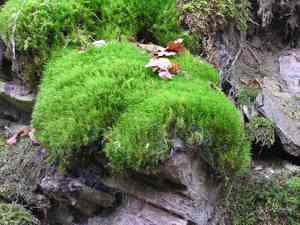
Low pincushion moss (Leucobryum albidum)
Also known as: White moss
White cushion moss (*Leucobryum glaucum*) flourishes in shaded, forested areas, creating dense, white-green mounds that look like snow puffs. Its thick, upright shoots give it a spongy texture, and its broadly curved leaves help capture and retain water, an essential adaptation for its woodland environment.
In This Article
Attributes of Low pincushion moss
Lifespan
Perennial
Plant Type
Moss
Plant Height
1-5 cm
Spread
Variable depending on the size of the cushion; typically 10-20 cm in diameter
Leaf Color
Silvery white to light green
Flower Size
Not applicable
Flower Color
Not applicable
Images of Low pincushion moss
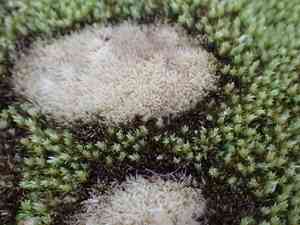
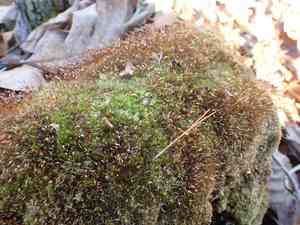
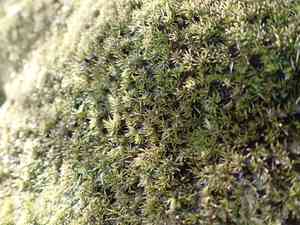
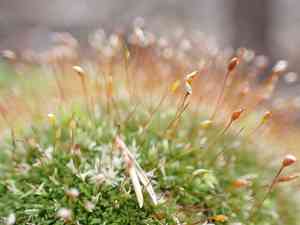
Quickly Identify Low pincushion moss
1
Look for dense, cushion-shaped mounds or tufts that have a white to silver-green coloration. The leaves are small, lanceolate, and tightly packed, giving the moss its characteristic fluffy appearance.
Scientific Classification of Low pincushion moss
Phylum
Mosses
Class
True mosses
Order
Dicranales
Family
Dicranaceae
Genus
Leucobryum
Species
Low pincushion moss
Planting and Growing of Low pincushion moss
Care Difficulty
Easy
Watering Schedule
Every 2 days
Sunlight Requirements
Partial sun
Sunshine Duration
6-10 hours
Ideal Temperature
60-75℉
Soil Type
Potting Mix, Peat Mix
Soil pH
4.5-5.5
Fertilizer Type
Balanced
Pruning Season
Spring, Summer
Pruning Area
Branches, Leaves
Pruning Frequency
2 times a year
Repotting Season
Spring
Pot Type
Plastic, Ceramic
 How to Water Low pincushion moss?
Leucobryum albidum should be watered with approximately 100 ml of water per session. The principle to follow is to ensure the soil is evenly moist but not drenched. Aim to achieve thorough moisture without creating standing water or sogginess in the pot.
What are the symptoms of an underwatered Low pincushion moss?
›
What should I do if my Low pincushion moss is not getting enough water?
›
What are the symptoms of an overwatered Low pincushion moss?
›
How to save an overwatered Low pincushion moss?
›
 What Are the Sunlight Requirements for Low pincushion moss?
Partial sun or dappled sunlight offers the best environment for Leucobryum albidum, as it balances photosynthesis and prevents leaf burn, promoting a healthy, vibrant appearance.
What is the best lighting condition for it?
›
How can one achieve this lighting condition?
›
What benefits does ideal lighting provide?
›
 What Is the Ideal Temperature Range for Low pincushion moss?
The ideal temperature range for Leucobryum albidum is between 60°F and 75°F. Within this range, the plant can maintain optimal physiological processes, including nutrient uptake, photosynthesis, and growth. Providing these temperatures encourages healthy development and vibrancy in color.
 What Soil is Best for Low pincushion moss?
Leucobryum albidum flourishes in soil that retains adequate moisture without becoming waterlogged. This ensures the plant's delicate root system remains hydrated and functional, promoting healthier moss growth. This plant prefers nutrient-poor soils, as excessive nutrients can hinder its growth. Environments with minimal organic matter favor its naturally adapted survival mechanisms. Leucobryum albidum thrives in acidic conditions, benefiting from a pH that supports its physiological processes and deters competing plant species.
 How to Fertilize Low pincushion moss?
For Leucobryum albidum, it's crucial to use a delicate hand when applying fertilizers. A diluted liquid fertilizer at a quarter strength is advisable to avoid over-fertilization, focusing on maintaining soil quality rather than quantity.
 How to Prune Low pincushion moss?
Before starting, carefully inspect the Leucobryum albidum. Look for any dead areas or sections that are overly dense. Pruning these parts will allow light to penetrate deeper, encouraging even and robust growth across the moss. Gently trim the identified areas using precise cuts. Do not remove too much at once; instead, aim to maintain the natural shape of the moss while improving its air and light circulation. Remember, slow and steady wins the race.
 How to Propagate Low pincushion moss plant?
1
Before dividing the moss, water it thoroughly a day before to ensure the soil is moist but not soggy. Moisture eases the separation process and minimizes root damage.
2
Use a sharp spade to carefully dig around the base of the plant. Gently lift the plant and carefully divide it into smaller clumps, ensuring each section has an adequate amount of roots.
3
Place each divided section into a suitable location with well-draining soil and partial shade. Lightly press the soil around each section and water thoroughly to help them establish.
 How to Repot Low pincushion moss plant?
1
Leucobryum albidum generally needs repotting when you notice it outgrowing its container, exhibiting slowed growth, or water drains too quickly through the pot. Typically, this would be every 2-3 years, ideally in spring or autumn. These seasons offer mild conditions for recovery and growth, minimizing stress for the plant.
2
When selecting a pot for Leucobryum albidum, aim for one that's slightly larger than its current size with drainage holes. A pot that's too large can retain excess water, while too small can hinder growth. Ceramic or terracotta pots are great as they provide natural aeration, benefiting root health and preventing rot.
3
For Leucobryum albidum, choose an acidic and well-draining soil mix. This type of soil closely mimics its natural habitat, preventing water logging and root rot. Peat moss or a sandy loam blend can maintain the necessary moist yet well-drained environment, promoting healthy root development.

