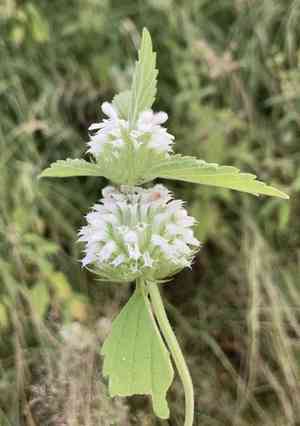
Leucas (Leucas) (Leucas)
Also known as: White Dittany, Thumbai
Leucas encompasses more than 200 species, predominantly located throughout Africa, southern and eastern Asia, with some also found in Queensland and various Indian Ocean islands.
In This Article
Attributes of Leucas (Leucas)
Lifespan
Perennial
Plant Height
0.1-1 meters (4-40 inches)
Spread
Variable, generally spreading to cover a small area.
Leaf Color
Green
Flower Size
Around 1-2 cm
Flower Color
White, sometimes pale pink or yellow
Images of Leucas (Leucas)
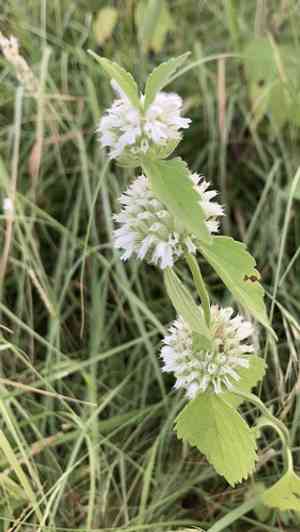
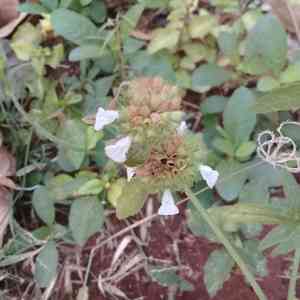
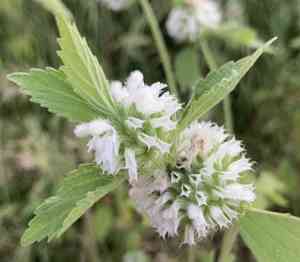
Quickly Identify Leucas (Leucas)
1
Leucas plants can be identified by their white or pale flowers, square stems, and whorled leaf arrangement. The leaves are usually lanceolate, and the flowers are tubular with a two-lipped appearance.
Scientific Classification of Leucas (Leucas)
Phylum
Tracheophyta
Class
Magnoliopsida
Order
Lamiales
Family
Lamiaceae
Genus
Leucas
Planting and Growing of Leucas (Leucas)
Care Difficulty
Moderate
Watering Schedule
Every 2 days
Sunlight Requirements
Full sun
Sunshine Duration
4-6 hours
Ideal Temperature
65-75℉
Soil Type
Potting Mix, Peat Mix
Soil pH
6.5-7.5
Fertilizer Type
Balanced
Pruning Season
Spring, Summer
Pruning Area
Branches, Leaves
Pruning Frequency
2 times a year
Repotting Season
Spring
Pot Type
Plastic, Ceramic
 How to Water Leucas (Leucas)?
Leucas plants require watering in moderation, with approximately 250 ml per session. The general principle is to allow the soil to dry out slightly between waterings, without letting it become completely arid. When watering, ensure the soil is moistened evenly to support the plant’s health.
What are the symptoms of an underwatered Leucas (Leucas)?
›
What should I do if my Leucas (Leucas) is not getting enough water?
›
What are the symptoms of an overwatered Leucas (Leucas)?
›
How to save an overwatered Leucas (Leucas)?
›
 What Are the Sunlight Requirements for Leucas (Leucas)?
Leucas prefers full sun to partial sun conditions. Adequate exposure to sunlight ensures photosynthesis proceeds efficiently, promoting strong growth and lush foliage.
How much light does Leucas need?
›
What happens if Leucas receives optimal light?
›
How to ensure Leucas gets ideal light?
›
 What Is the Ideal Temperature Range for Leucas (Leucas)?
Leucas plants thrive ideally in temperatures ranging between 65 to 75 degrees Fahrenheit. These conditions closely mimic their native environments, where stable warmth promotes robust growth and optimal biological functions. Keeping the temperature within this range ensures the plant can photosynthesize efficiently, maintain its metabolic activities, and resist pest and disease pressures effectively.
 What Soil is Best for Leucas (Leucas)?
Leucas thrives in well-drained soil to prevent root rot. Proper drainage allows excess water to escape, ensuring roots get enough oxygen and nutrients, promoting healthy growth and reducing the risk of fungal diseases. This plant does best in soil with moderate fertility. While too much fertility can lead to excessive foliage and reduced blooming, well-balanced soil nutrients support optimal plant development and flowering. A pH of 6.5 to 7.5 is ideal for Leucas. This range allows for the optimal availability of nutrients in the soil, supporting robust plant growth and a healthy appearance.
 How to Fertilize Leucas (Leucas)?
When fertilizing Leucas, it is essential to use about 1/4 to 1/2 teaspoon of balanced liquid fertilizer per gallon of water. This ensures the plant receives just the right amount of nutrients without overwhelming it.
 How to Prune Leucas (Leucas)?
Focus on removing old, woody stems that no longer contribute significantly to the plant's flowering. Cut these back to promote the development of younger, more vigorous shoots. After the Leucas has finished blooming, snip off the spent flower stalks. This not only neaten appearances but also prevents energy wastage on seed development. Prune for a balanced, rounded shape by cutting outer branches just above a leaf node or bud. This will guide the plant’s growth outward rather than upward, fostering a fuller appearance.
 How to Propagate Leucas (Leucas) plant?
1
Before sowing seeds, prepare a well-draining soil mix using a combination of compost, perlite, and sand. This ensures adequate drainage while providing essential nutrients for young plants.
2
Select healthy, non-flowering stems and cut them with a sharp, sterilized pruning shear. Each cutting should be 4-6 inches long, with leaves removed from the lower half to reduce moisture loss.
3
After placing seeds or cuttings in the prepared soil, water them lightly. Maintain consistent moisture levels without waterlogging, as excess water can cause root rot and hinder growth.
 How to Repot Leucas (Leucas) plant?
1
Leucas plant should be repotted when you notice roots emerging from the drainage holes or the soil dries out faster than usual. Another indicator is when the plant's growth seems stunted despite proper care. Spring is the ideal season for repotting as the plant will have ample time to adjust and thrive during the growing season.
2
Select a pot that is about 1-2 inches larger in diameter than the current one. Ensure it has drainage holes to prevent waterlogging, which can lead to root rot. A ceramic or terracotta pot can be beneficial as it allows air exchange, promoting healthier root systems and more robust growth.
3
Opt for a well-draining potting mix tailored for Leucas. Such soil ensures that excess water drains away quickly, reducing the risk of root rot. You can mix in a bit of perlite or sand to further enhance drainage, providing an environment where roots can obtain oxygen and nutrients efficiently.

