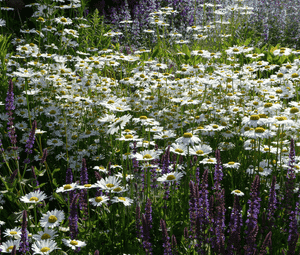
Shasta daisy (Leucanthemum maximum)
Also known as: Max daisy, Pyrenees chrysanthemum
The Shasta daisy (Leucanthemum maximum) is a perennial flowering herb that originates from France and Spain. Widely introduced for its ornamental appeal, it can now be found globally. Ideal growing conditions for Shasta daisies include fertile, well-drained soil. Due to their potential to spread into the wild, they should be managed carefully in garden settings.
In This Article
Attributes of Shasta daisy
Lifespan
Perennial, Annual
Plant Type
Herb
Plant Height
10 cm to 50 cm
Spread
10 cm to 50 cm
Leaf Color
Green
Flower Size
5 cm to 8 cm
Flower Color
White Yellow
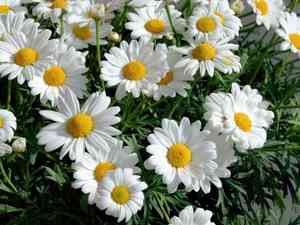
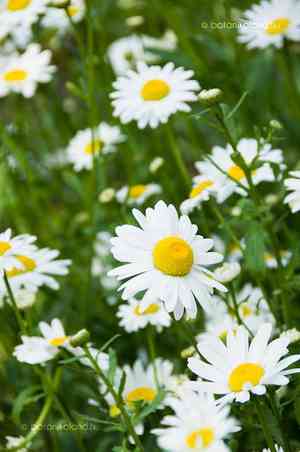
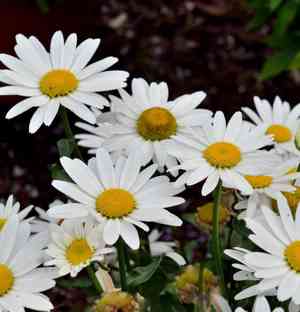
Images of Shasta daisy
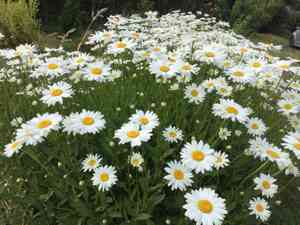
Quickly Identify Shasta daisy
1
Identify Leucanthemum maximum by its large, white, daisy-like flowers, which can be up to 4 inches in diameter. The plant has dark green, serrated leaves and a robust, upright growth habit.
Scientific Classification of Shasta daisy
Phylum
Vascular plants
Class
Dicotyledons
Order
Asterales
Family
Daisy
Genus
Daisies
Species
Shasta daisy
Planting and Growing of Shasta daisy
Care Difficulty
Easy
Watering Schedule
Every 2 days
Sunlight Requirements
Full sun
Sunshine Duration
4-6 hours
Ideal Temperature
60-70℉
Soil Type
Potting Mix, Peat Mix
Soil pH
6.5-7.5
Fertilizer Type
Balanced
Pruning Season
Spring, Summer
Pruning Area
Branches, Leaves
Pruning Frequency
2 times a year
Repotting Season
Spring
Pot Type
Plastic, Ceramic
 How to Water Shasta daisy?
When watering Leucanthemum maximum, ensure the soil is thoroughly saturated with about 500 ml of water. The key is to provide enough moisture to moisten the root zone while allowing excess water to drain out to prevent root rot.
More About Watering Techniques→
What are the symptoms of an underwatered Shasta daisy?
›
What should I do if my Shasta daisy is not getting enough water?
›
What are the symptoms of an overwatered Shasta daisy?
›
How to save an overwatered Shasta daisy?
›
 What Are the Sunlight Requirements for Shasta daisy?
Leucanthemum maximum prefers full sun to partial sun conditions. With adequate sunlight, the plant develops vibrant blooms and sturdy growth, enhancing its decorative garden role.
More About Sunlight Requirements Techniques→
How much light does Leucanthemum maximum need?
›
Where should I position the plant?
›
What are the benefits of ideal lighting?
›
 What Is the Ideal Temperature Range for Shasta daisy?
The ideal temperature range for growing Leucanthemum maximum is between 60°F and 70°F. Within this range, the plant thrives, ensuring optimal flowering and foliage growth. The temperature allows for all necessary physiological processes to occur efficiently, promoting overall plant vitality and resilience against pests and diseases.
 What Soil is Best for Shasta daisy?
Leucanthemum maximum thrives in well-drained soil which prevents waterlogging and root rot. This condition ensures the plants can absorb nutrients effectively, increasing their growth and bloom production. Incorporating organic matter like compost or well-decomposed manure into the soil enriches it with nutrients. This practice enhances the soil structure, promoting healthy root systems vital for robust foliage and abundant flowering. Aerated soil encourages better airflow to the roots, enhancing gas exchange and root growth. This condition is fundamental for optimal nutrient uptake, improving the overall health and vigor of the plant.
More About Soil→
 How to Fertilize Shasta daisy?
Leucanthemum maximum benefits from a balanced approach when it comes to fertilization. For optimal growth, it's important to use a fertilizer that provides equal parts of Nitrogen (N), Phosphorus (P), and Potassium (K), often a 10-10-10 formula. Liquid fertilizers should be applied at a rate of one tablespoon per gallon of water, ensuring the roots receive enough nutrients without overwhelming them. For slow-release fertilizers, a couple of ounces around the base of the plant ensures a steady supply over time.
More About Fertilizing Techniques→
 How to Prune Shasta daisy?
Start by identifying spent blooms and cut back the entire flower stem down to the base of the plant. This encourages new buds to form throughout the growing season. Use a pair of clean, sharp pruning shears to make an angled cut just above a leaf node. During early spring, remove any dead or damaged leaves to stimulate fresh growth.
More About Pruning Techniques→
 How to Propagate Shasta daisy plant?
1
To propagate by seeds, start by preparing soil in seed trays, ensuring it is well-drained and rich in organic matter. Sow the seeds on the surface and lightly cover them with a thin layer of soil or vermiculite.
2
For cutting propagation, take a healthy stem cutting approximately 4-6 inches long from the parent plant. Remove the lower leaves and dip the cut end in rooting hormone to encourage root development before planting in potting soil.
3
Division involves digging up the entire plant and splitting its root ball into sections using a sharp knife or hand saw, ensuring each section has adequate roots and shoots. Replant each section immediately to minimize root damage.
 How to Repot Shasta daisy plant?
1
Leucanthemum maximum needs repotting when the roots become overcrowded and start pushing out from the pot's drainage holes, or when the plant growth noticeably slows down. Ideally, aim to repot in early spring or after blooming in autumn for best results.
2
Select a pot that is one size larger than the current one. Ensure it has adequate drainage holes to prevent waterlogging. Using a pot with a wider mouth can also help accommodate the plant's spreading roots, promoting healthier growth.
3
Opt for a well-draining potting mix rich in organic matter. Incorporating perlite or coarse sand enhances aeration and prevents root rot. Such a soil mix supports vigorous growth by providing the right balance of moisture retention and drainage.
Learn More About Shasta daisy Diseases
Anthracnose
Bacterial Leaf Spot
Bacterial Soft Rot
Bacterial Wilt
Black Spot
Chemical Injury
Crown Gall
Cyst Nematode
Damping-off
Drought Stress
Fusarium Wilt
Gray Mold
Leaf Spot
Mosaic
Nutrient Deficiency
Nutrient Toxicity
Powdery Mildew
Root Rot
Root-knot Nematode
Rusts
Sooty Mold
Spider Mites
Temperature Stress
Thrips Damage
White Mold



