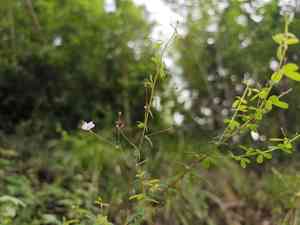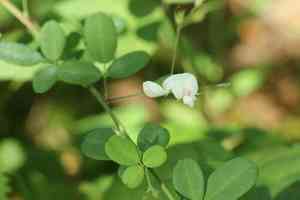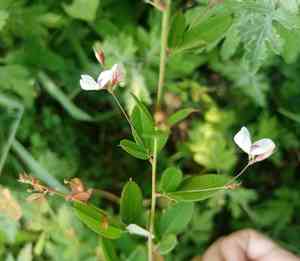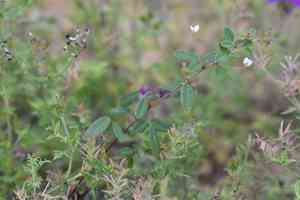
Wand lespedeza(Lespedeza virgata)

Wand lespedeza (Lespedeza virgata)

Also known as: Shrubby Lespedeza, Bushclover

Wand lespedeza (Lespedeza thunbergii) is a perennial shrub noted for its arching stems and clusters of small, pea-like flowers in shades of pink to purple that appear from late summer to fall. Originating from East Asia, it thrives in well-drained soils and can tolerate drought conditions. The plant typically grows up to 6 feet tall and features trifoliate leaves that add a fine texture to garden landscapes.

**Ecological Benefits:**
1. **Pollinator Magnet:** Its vibrant flowers attract bees, butterflies, and other beneficial insects, promoting pollination and biodiversity.
2. **Soil Enrichment:** As a leguminous plant, wand lespedeza enhances soil fertility by fixing atmospheric nitrogen, reducing the need for chemical fertilizers.
3. **Soil Stabilization:** The deep root system helps prevent soil erosion, making it useful in stabilizing slopes and embankments.
4. **Habitat Provision:** Offers food and shelter for various insects and small wildlife, contributing to a balanced ecosystem.

These attributes make wand lespedeza a valuable addition to gardens, particularly those aiming for sustainable and biodiverse environments.

Attributes of Wand lespedeza

Lifespan
Perennial
Plant Type
Herb
Plant Height
25 cm to 50 cm
Spread
1-1.5 meters (3-5 feet)
Leaf Color
Green
Flower Size
1-1.5 cm (0.4-0.6 inches)
Flower Color
White

ForwardPlant - Identify plants with a snap

Identify and diagnose plants, get toxicity alerts, and explore safety guides for all types of fungi.

Try for Free

Images of Wand lespedeza

Wand lespedeza(Lespedeza virgata)

Quickly Identify Wand lespedeza

1
Shrubby Lespedeza can be identified by its woody stems, trifoliate leaves, and clusters of small, pink to purple flowers that bloom in late summer to early autumn.

Scientific Classification of Wand lespedeza

Phylum
Vascular plants
Class
Dicotyledons
Order
Fabales
Family
Legume
Genus
Bush clovers
Species
Wand lespedeza

Planting and Growing of Wand lespedeza

Care Difficulty
Easy
Watering Schedule
Every 3 days
Sunlight Requirements
Full sun
Sunshine Duration
6-10 hours
Ideal Temperature
60-77℉
Soil Type
Potting Mix, Peat Mix
Soil pH
6.5-7.5
Fertilizer Type
Balanced
Pruning Season
Spring, Summer
Pruning Area
Branches, Leaves
Pruning Frequency
2 times a year
Repotting Season
Spring
Pot Type
Terracotta, Plastic

water icon How to Water Wand lespedeza?

Lespedeza virgata appreciates a balance in its watering schedule. Aim to provide about 500 milliliters of water each time. Water until the topsoil is thoroughly moist but ensure that the water drains out freely from the bottom. Avoid leaving the soil soggy, which can harm the roots.
What are the symptoms of an underwatered Wand lespedeza? ›
What should I do if my Wand lespedeza is not getting enough water? ›
What are the symptoms of an overwatered Wand lespedeza? ›
How to save an overwatered Wand lespedeza? ›

sunlight icon What Are the Sunlight Requirements for Wand lespedeza?

Sunlight Requirements: Full sun, Partial sun
Duration of light: 4 to 6 hours daily
Partial sun to full sun is ideal, facilitating vibrant growth and abundant blossoms. Ideal light supports photosynthesis, bolstering the plant's energy and enhancing its decorative value.
What is the best light condition for Lespedeza virgata? ›
How can I enhance sunlight exposure for Lespedeza virgata? ›
What are the benefits of ideal lighting for Lespedeza virgata? ›

temperature icon What Is the Ideal Temperature Range for Wand lespedeza?

Ideal Temperature: 60 ~ 77℉
For the healthy growth of Lespedeza virgata, the ideal temperature range should be maintained between 60°F and 77°F. This range is considered optimal because it allows photosynthesis and other metabolic processes to occur efficiently without imposing thermal stress on the plant. Keeping within this temperature range will support vigorous growth and enhance the plant's resilience against pests and diseases.

soil icon What Soil is Best for Wand lespedeza?

Soil type: Loam, Sandy loam
Soil PH: 6.5 ~ 7.5
Lespedeza virgata thrives in well-drained soils, preventing waterlogging which can lead to root rot. This ensures adequate oxygen reaches the roots, promoting healthy growth and robust flowering. A nutrient-rich soil enhances the vigor of Lespedeza virgata, supporting lush foliage and abundant blooms. Organic matter such as compost can be incorporated to enrich the soil with essential nutrients. While drought-tolerant, Lespedeza virgata requires adequate moisture during establishment. Consistent moisture aids in root development and plant stability, crucial during its initial growth phase.

fertilize icon How to Fertilize Wand lespedeza?

Fertilizer type: Balanced
When it comes to fertilizing Lespedeza virgata, balance is crucial. Use approximately one tablespoon of balanced 10-10-10 granular fertilizer per square foot for solid feeding. Liquid fertilizers should be diluted at half the recommended strength to avoid nitrogen burn. Always err on the side of caution and observe the plant’s response to adjust further application.

prune icon How to Prune Wand lespedeza?

Pruning Time: Spring, Summer, Autumn, Winter
Begin by observing the plant’s natural shape and health. Identify areas that are overcrowded or where branches cross each other or grow inwards, as these are prime candidates for pruning. Start by removing dead, damaged, or diseased branches. Follow by thinning out crowded areas to enhance airflow and light penetration. Aim for an open, vase-like shape to maximize sunlight exposure. More About Pruning Techniques→

propagate icon How to Propagate Wand lespedeza plant?

Propagate Time: Spring,Early summer
1
Before sowing, soak the Lespedeza virgata seeds in warm water overnight to soften the seed coat and enhance germination rates. Then, sow the seeds in seed trays filled with a well-draining soil mix and lightly cover them with soil.
2
Cut 6 to 8-inch long healthy stems with several nodes from a mature Lespedeza virgata. Remove the lower leaves, leaving a few at the top. Dip the cut end in rooting hormone to promote root growth and plant it in a pot filled with a sterile rooting medium.
3
In early spring, dig up mature Lespedeza virgata plants. Gently separate the root clumps into smaller sections with at least a few stems and roots. Replant the divisions immediately in prepared garden beds with similar conditions as the original plant.
More About Propagating Techniques→

repot icon How to Repot Wand lespedeza plant?

Repotting frequency: Every 2-3 years
1
Repot Lespedeza virgata when you notice roots are visibly growing out of drainage holes or becoming root-bound. Indications include slowed growth or water not absorbing well. These signs usually mean your plant's roots need more space and better soil.
2
Choose a pot that's one size larger than the current one, with sufficient drainage holes. This ensures it won't retain excess water, preventing root rot. Additionally, a slightly larger pot gives room for root growth, encouraging a healthier plant.
3
Opt for well-draining, slightly acidic soil, enriched with organic matter. This type helps prevent waterlogging and ensures good aeration, crucial for healthy root development. A balanced soil mix will provide essential nutrients and support plant growth.

ForwardPlant - Identify plants with a snap

Find the best spots for them to optimize their health, simply using your phone.

Try for Free