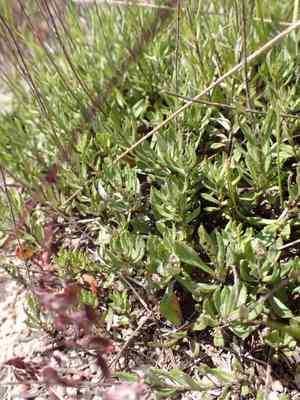
Scaly-buttons (Leptorhynchos squamatus)
Also known as: Scaly Buttons, Button Everlasting
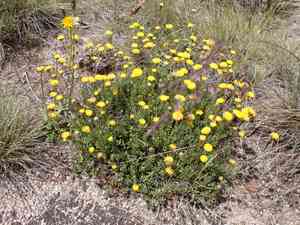
Scaly-buttons is adorned with a dazzling array of small, daisy-like flowers boasting golden centers encircled by white to pale pink lance-shaped petals. It thrives in the arid, sandy soils often found in its Australian outback home. The plant's low, spreading habit helps it conserve moisture while resisting wind. Its slender stems and scaly leaves provide a tough exterior suited to its sunbaked habitat.
In This Article
Attributes of Scaly-buttons
Lifespan
Perennial
Plant Type
Herb
Plant Height
10 to 30 cm
Spread
10 to 20 cm
Leaf Color
Green
Flower Size
1 to 1.5 cm
Flower Color
Yellow
Images of Scaly-buttons

Quickly Identify Scaly-buttons
1
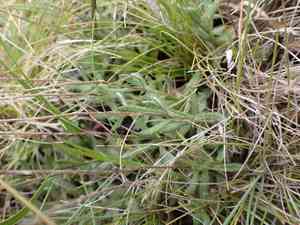
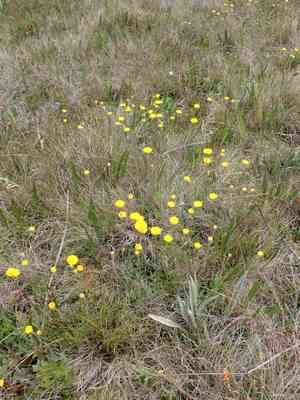
Leptorhynchos squamatus can be identified by its small, button-like yellow flowers and scaly, greenish leaves. The plant typically grows low to the ground and forms a mat-like appearance.
Scientific Classification of Scaly-buttons
Phylum
Vascular plants
Class
Dicotyledons
Order
Asterales
Family
Daisy
Genus
Leptorhynchos
Species
Scaly-buttons
Planting and Growing of Scaly-buttons
Care Difficulty
Moderate
Watering Schedule
Every 2 days
Sunlight Requirements
Full sun
Sunshine Duration
4-6 hours
Ideal Temperature
60-70℉
Soil Type
Potting Mix, Peat Mix
Soil pH
6.5-7.5
Fertilizer Type
Balanced
Pruning Season
Spring, Summer
Pruning Area
Branches, Leaves
Pruning Frequency
2 times a year
Repotting Season
Spring
Pot Type
Terracotta, Plastic
 How to Water Scaly-buttons?
Leptorhynchos squamatus prefers its soil to be moderately moist but not soggy. Typically, watering about 150 ml each time ensures that the soil maintains this balance. It's essential to allow the topsoil to dry out slightly between waterings.
What are the symptoms of an underwatered Scaly-buttons?
›
What should I do if my Scaly-buttons is not getting enough water?
›
What are the symptoms of an overwatered Scaly-buttons?
›
How to save an overwatered Scaly-buttons?
›
 What Are the Sunlight Requirements for Scaly-buttons?
Leptorhynchos squamatus ideally benefits from full to partial sun conditions. Optimal light exposure encourages healthy growth, enhances flowering, and strengthens stem structure.
How much sun does Leptorhynchos squamatus need?
›
What can you do to achieve ideal light?
›
What are the benefits of optimal light exposure?
›
 What Is the Ideal Temperature Range for Scaly-buttons?
Leptorhynchos squamatus thrives best in an environment where temperatures range between 60°F and 70°F. This range provides the perfect balance of warmth that's not too intense, allowing for healthy cellular processes without stress.
 What Soil is Best for Scaly-buttons?
Leptorhynchos squamatus thrives in well-draining soil that prevents root rot and ensures healthy root development. Such soil conditions allow better aeration and water absorption, promoting vigorous growth. This plant prefers soil enriched with organic matter, providing essential nutrients that support growth and flowering. The organic material improves soil structure and fertility, maximizing plant health. While it does well in sandy loam, maintaining moderate moisture levels is crucial. Consistent moisture without waterlogging encourages strong root systems and prevents stress during dry periods.
 How to Fertilize Scaly-buttons?
For Leptorhynchos squamatus, the optimal fertilizer amount should be modest due to its native resilience to nutrient-poor soils. Apply liquid fertilizer at a dilution of half the recommended dosage to avoid overwhelming the plant. For slow-release fertilizers, use just enough to cover the surface of the soil lightly, ensuring not to overfertilize. The goal is to provide a gentle nutrient boost without inducing excessive growth.
 How to Prune Scaly-buttons?
Begin by sterilizing your pruning tools to prevent disease. Identify dead or damaged stems that should be removed first. Cut back any overgrown areas to encourage shape and new growth. Always prune back to a healthy bud or leaf node, ensuring your cuts are clean and at an angle to prevent water accumulation. Leptorhynchos squamatus benefits from being shaped to keep it aesthetically pleasing and to encourage a fuller plant. Trim the outer growth lightly to achieve a desirable shape, making sure not to cut too deep into the old wood, as this can stunt future growth.
More About Pruning Techniques→
 How to Propagate Scaly-buttons plant?
1
Collect mature seeds from the plant and clean them to remove any debris. Soak the seeds in water for 24 hours to help initiate germination, as this process allows the seed coat to soften, making it easier for the seed to sprout.
2
Fill seed trays with sterilized potting mix and gently press the seeds onto the surface. Lightly cover them with additional potting mix, ensuring they are not too deep to optimize light exposure for germination.
3
Place the trays in a location with bright, indirect sunlight and maintain a consistent temperature of around 20°C (68°F). Water the seeds lightly without overwatering, keeping the soil moist but not soggy to avoid fungal issues.
 How to Repot Scaly-buttons plant?
1
Leptorhynchos squamatus usually shows signs of needing a new pot when the roots start spiraling at the pot's base or growing through drainage holes. Spring or early summer is the optimal time, as it aligns with the plant’s natural growth cycle, allowing it time to establish in the new soil before the growing season peaks.
2
Select a pot that's slightly larger than the current one with adequate drainage holes. A pot too large retains excess moisture, leading to root rot. Terracotta pots are excellent as they can wick moisture away, preventing over-watering, a common issue.
3
Opt for well-draining sandy soil to mimic this plant's native conditions. A mix containing perlite or fine gravel will enhance drainage, preventing the roots from sitting in water, which is crucial in avoiding rot and promoting healthy root development.
Learn More About Scaly-buttons Diseases
Anthracnose
Bacterial Leaf Spot
Bacterial Soft Rot
Bacterial Wilt
Black Spot
Chemical Injury
Crown Gall
Cyst Nematode
Damping-off
Downy Mildew
Drought Stress
Fusarium Wilt
Gray Mold
Leaf Spot
Mosaic
Nutrient Deficiency
Nutrient Toxicity
Powdery Mildew
Root Rot
Root-knot Nematode
Rusts
Sooty Mold
Spider Mites
Temperature Stress
Thrips Damage
White Mold


