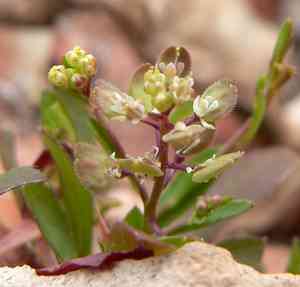
Peppercresses (Lepidium) (Lepidium)
Also known as: Pepperweeds
Peppercresses belong to the mustard family and are a varied group of flowering plants. While they often appear as weeds in lawns and fields, some species are edible and can be included in salads. Despite their typically small and modest flowers, certain peppercresses are used ornamentally, particularly in rock gardens, borders, and alpine settings where they thrive in sunny, well-drained conditions.
In This Article
Attributes of Peppercresses (Lepidium)
Lifespan
Annual, Biennial
Plant Height
10-40 cm
Spread
10-30 cm
Leaf Color
Green
Flower Size
0.5-1 cm
Flower Color
White Yellow Green
Images of Peppercresses (Lepidium)
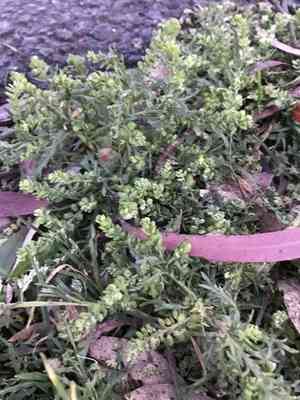
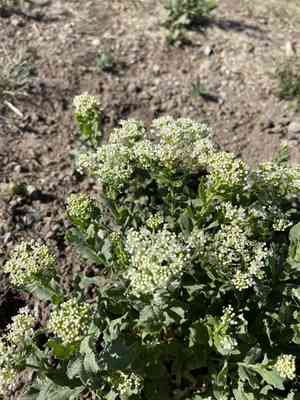
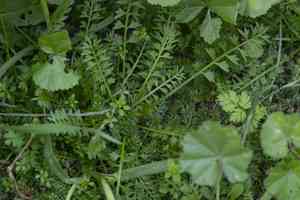
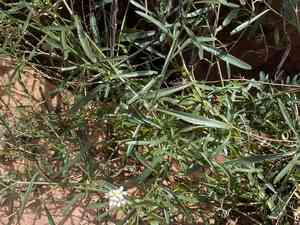
Quickly Identify Peppercresses (Lepidium)
1
Lepidium species are often identified by their basal rosettes of leaves, small white or yellowish flowers arranged in racemes, and seed pods known as siliques. The leaves can be pinnately divided, and the plant generally has a bitter, spicy taste.
Scientific Classification of Peppercresses (Lepidium)
Phylum
Magnoliophyta
Class
Magnoliopsida
Order
Brassicales
Family
Brassicaceae
Genus
Lepidium
Planting and Growing of Peppercresses (Lepidium)
Care Difficulty
Easy
Watering Schedule
Every 3 days
Sunlight Requirements
Full sun
Sunshine Duration
6-10 hours
Ideal Temperature
50-68℉
Soil Type
Potting Mix, Peat Mix
Soil pH
6.5-8
Fertilizer Type
Balanced
Pruning Season
Spring, Summer
Pruning Area
Branches, Leaves
Pruning Frequency
2 times a year
Repotting Season
Spring
Pot Type
Plastic, Ceramic
 How to Water Peppercresses (Lepidium)?
For Lepidium, water it until the soil is sufficiently moist but not soaked, ensuring that the top inch of soil remains slightly dry to the touch between waterings. The principle here is moderation; overwatering can lead to problems as much as underwatering.
What are the symptoms of an underwatered Peppercresses (Lepidium)?
›
What should I do if my Peppercresses (Lepidium) is not getting enough water?
›
What are the symptoms of an overwatered Peppercresses (Lepidium)?
›
How to save an overwatered Peppercresses (Lepidium)?
›
 What Are the Sunlight Requirements for Peppercresses (Lepidium)?
Partial to full sun exposure is optimal for Lepidium, promoting lush foliage and steady growth. Ideal lighting ensures robust development and enhances the plant's overall resilience.
What is the optimal lighting condition for Lepidium?
›
How to ensure Lepidium gets the ideal light?
›
What are the benefits of ideal lighting for Lepidium?
›
 What Is the Ideal Temperature Range for Peppercresses (Lepidium)?
The optimal temperature range for Lepidium cultivation is between 50°F and 68°F. Within this range, the plant's physiological processes operate efficiently, promoting healthy growth and development. This temperature range helps maintain adequate moisture levels and nutrient absorption, critical factors for thriving Lepidium.
 What Soil is Best for Peppercresses (Lepidium)?
Lepidium thrives in well-drained soil to avoid root rot. This quality ensures that the plant roots receive adequate oxygen and prevents stagnation, supporting its growth and vitality. Rich soil supports Lepidium's vigorous growth by providing essential nutrients. Nutrient-rich soils enhance foliage and flower production, ensuring the plant achieves its full ornamental potential. The soil should retain moderate moisture, which ensures the plant has a consistent water supply without waterlogging. This balance helps the plant maintain its vigor and reduces stress during dry spells.
 How to Fertilize Peppercresses (Lepidium)?
For Lepidium species, applying too much fertilizer can lead to over-nutrition. Use a balanced, water-soluble fertilizer at half the recommended strength, especially if growing in containers. When using slow-release granules, apply minimally—about 1 tablespoon per square foot around the base of the plants.
 How to Prune Peppercresses (Lepidium)?
Start by identifying and removing any dead or damaged stems. This will help redirect the plant’s energy towards healthy growth and prevent the spread of disease or infestation on the plant. After removing dead material, it’s time to shape the plant. Trim back overgrown areas to maintain a desired form. This not only enhances aesthetics but also improves light penetration and air circulation through the plant. To encourage bushier growth, pinch back new shoots. This involves using your fingers to remove the tips of young shoots, which will prompt the plant to grow laterally instead of vertically.
 How to Propagate Peppercresses (Lepidium) plant?
1
Fill your seed tray with potting soil, leaving about 0.5 cm from the top. Level the soil gently to ensure an even surface for sowing seeds. Ensure the soil is moist but not too wet, as this will support the germination process effectively.
2
Scatter Lepidium seeds evenly across the surface of the soil. Cover them with a light layer of potting soil, approximately 1 cm deep. This helps protect the seeds and ensures proper contact with the soil for optimal germination.
3
Gently water the soil after sowing to ensure good moisture levels. Place the seed tray in a warm location with indirect sunlight. Check moisture levels regularly; the soil should be kept lightly moist but not saturated to prevent rot.
 How to Repot Peppercresses (Lepidium) plant?
1
Repotting Lepidium plants is best done when you notice signs such as roots emerging from the pot's drainage holes, slowed growth despite proper care, or the plant becoming top-heavy. These are cues that your plant needs more space to thrive.
2
Opt for a pot that is one to two inches larger in diameter than the current pot. This allows the bountiful roots of your Lepidium to spread out comfortably, promoting healthy growth. Additionally, ensure the new pot has good drainage to prevent root rot.
3
Use a well-draining potting soil mix, ideally one that mimics a natural environment with a balance of organic and mineral components. This ensures adequate aeration and moisture retention, crucial for the dynamic growth of Lepidium's root system.
Learn More About Peppercresses (Lepidium) Diseases
Anthracnose
Bacterial Leaf Spot
Clubroot
Cyst Nematode
Damping-off
Downy Mildew
Drought Stress
Fusarium Wilt
Gray Mold
Leaf Spot
Mosaic
Nutrient Deficiency
Nutrient Toxicity
Powdery Mildew
Root Rot
Root-knot Nematode
Rusts
Sooty Mold
Spider Mites
Temperature Stress
Thrips Damage
White Mold
Chemical Injury

