
Garden cress (Lepidium sativum)
Also known as: Gardencress pepperweed, Upland cress, Pepper cress
Lepidium sativum, commonly known as garden cress, is a swiftly growing, edible herb. It is closely related to mustard and watercress, sharing their distinctive peppery and tangy taste. This herb is widely cultivated in Europe.
In This Article
Attributes of Garden cress
Lifespan
Annual
Plant Type
Herb
Plant Height
60 cm
Spread
20 cm
Leaf Color
Green
Flower Size
2 mm
Flower Color
White
Images of Garden cress
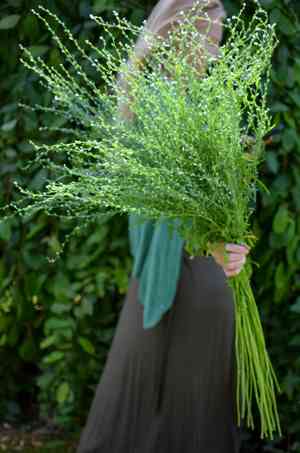
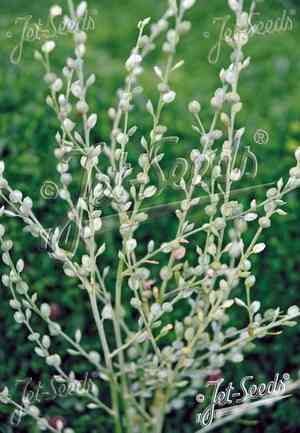
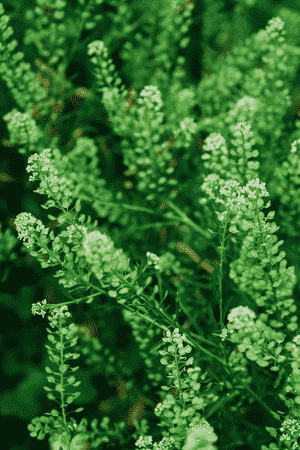

Quickly Identify Garden cress
1
The plant has small, white flowers and pinnate leaves. It can be recognized by its fast growth habit, peppery taste, and cress-like appearance.
Scientific Classification of Garden cress
Phylum
Vascular plants
Class
Dicotyledons
Order
Brassicales
Family
Cruciferae
Genus
Peppercresses
Species
Garden cress
Planting and Growing of Garden cress
Care Difficulty
Easy
Watering Schedule
Every 8 days
Sunlight Requirements
Full sun
Sunshine Duration
6-10 hours
Ideal Temperature
60-70℉
Soil Type
Potting Mix, Peat Mix
Soil pH
6.5-7.5
Fertilizer Type
Balanced
Pruning Season
Spring, Summer
Pruning Area
Branches, Leaves
Pruning Frequency
2 times a year
Repotting Season
Spring
Pot Type
Terracotta, Plastic
 How to Water Garden cress?
Lepidium sativum, commonly known as garden cress, prefers consistently moist soil. Water until the soil is evenly damp but not waterlogged, approximately 200 ml each time. Use the finger test: stick your finger about an inch into the soil – if it feels dry, it’s time to water.
What are the symptoms of an underwatered Garden cress?
›
What should I do if my Garden cress is not getting enough water?
›
What are the symptoms of an overwatered Garden cress?
›
How to save an overwatered Garden cress?
›
 What Are the Sunlight Requirements for Garden cress?
Lepidium sativum thrives in full sun to partial sun environments. Consistent light exposure promotes robust growth, rich green foliage, and enhances its yield and quality.
More About Sunlight Requirements Techniques→
Ideal Duration of Sunlight
›
Solutions for Ideal Sunlight
›
Benefits of Ideal Sunlight
›
 What Is the Ideal Temperature Range for Garden cress?
Lepidium sativum thrives best in an environment where the temperature remains consistently between 60°F and 70°F. This range ensures optimal growth, promoting lush foliage and healthy plant development. Within this temperature range, the plant can efficiently perform photosynthesis without the stress of extreme conditions. Maintaining these temperatures often results in rapid germination and vigorous growth.
 What Soil is Best for Garden cress?
Lepidium sativum thrives in well-draining soil that prevents waterlogging. Proper drainage ensures that the roots remain healthy and oxygenated, reducing the risk of root rot and promoting overall vigorous growth. A fertile, nutrient-rich soil is imperative for Lepidium sativum, as it supplies essential nutrients necessary for rapid growth and lush foliage. Regularly amending the soil with organic matter like compost can enrich it and support robust plant health. Moderate moisture retention in the soil is ideal, as it keeps the plant hydrated without oversaturation. This balance is crucial for maintaining steady growth and preventing stress on Lepidium sativum.
 How to Fertilize Garden cress?
For Lepidium sativum, also known as garden cress, it's important to provide a balanced nutrient supply without overdoing it. Typically, use 1/4 strength of an all-purpose liquid fertilizer during its growing season. Over-fertilizing can lead to nutrient burn, so moderation is key.
 How to Prune Garden cress?
Start by identifying dead or yellowing leaves and stems and gently remove them with clean, sharp scissors. Next, trim the tips of the plant by about an inch to promote a bushier growth. Ensure you are cutting just above a leaf node to encourage new branches. Regularly plucking the tips can also help in training the plant to grow more compact.
More About Pruning Techniques→
 How to Propagate Garden cress plant?
1
Prepare light, well-draining soil for sowing Lepidium sativum seeds. A mixture of potting soil and sand or perlite often works well to facilitate proper drainage.
2
Sow the seeds evenly over the surface of the prepared soil. Cover lightly with a thin layer of soil, ensuring they are not buried too deep, which could hinder germination.
3
Maintain consistent moisture in the soil by watering as needed. Avoid overwatering, as this can lead to fungal diseases. Place the tray in a warm, well-lit area for best results.
 How to Repot Garden cress plant?
1
Lepidium sativum shows it's time for repotting when you notice roots curling at the pot's surface or a noticeable decrease in growth. Ideally, it's best to repot during spring when the plant begins actively growing, which allows it to adapt quickly to a new environment without too much stress.
2
Choose a pot that is one size larger than the current one with adequate drainage holes to prevent waterlogging. This helps the roots expand comfortably and avoids the risk of root rot, allowing the plant to thrive with room to grow.
3
Opt for a well-draining loamy mix that retains some moisture while allowing excess water to escape easily. This ensures that the roots don't sit in water, reducing the chances of fungal infections and providing optimal growing conditions for your plant.
Learn More About Garden cress Diseases
Anthracnose
Bacterial Leaf Spot
Bacterial Soft Rot
Clubroot
Cyst Nematode
Damping-off
Downy Mildew
Drought Stress
Fusarium Wilt
Gray Mold
Leaf Spot
Mosaic
Nutrient Deficiency
Nutrient Toxicity
Powdery Mildew
Root Rot
Root-knot Nematode
Rusts
Sooty Mold
Spider Mites
Temperature Stress
Thrips Damage
White Mold
Chemical Injury



