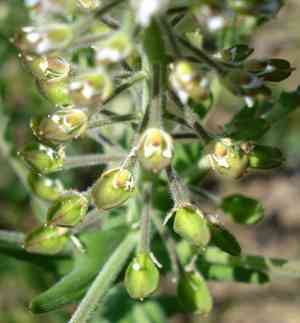
Field peppergrass (Lepidium campestre)
Also known as: Field pepperweed, Pepperwort, Field pepper
Field peppergrass (*Lepidium campestre*), a plant from the mustard family originally native to southern Russia, is now widespread across North America. Its seeds are edible and can be used as a spice, offering a sharp flavor that blends the pungency of black pepper with mustard.
In This Article
Attributes of Field peppergrass
Lifespan
Annual, Biennial
Plant Type
Herb
Plant Height
20 cm to 60 cm
Spread
30 cm
Leaf Color
Green
Flower Size
0.2 mm to 0.7 mm
Flower Color
White Green
Images of Field peppergrass
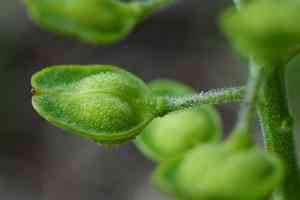
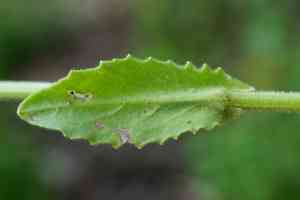
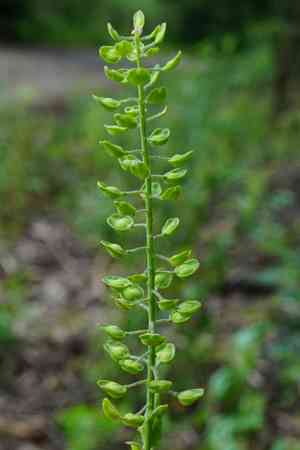
Quickly Identify Field peppergrass
1
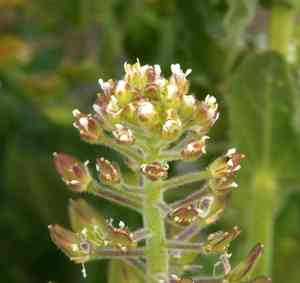
Lepidium campestre can be identified by its small, white to cream-colored flowers, which form dense clusters at the tops of stems. The leaves are lance-shaped to oblong with a toothed margin and are alternately arranged. The plant often has a somewhat hairy or rough texture.
Scientific Classification of Field peppergrass
Phylum
Vascular plants
Class
Dicotyledons
Order
Brassicales
Family
Cruciferae
Genus
Peppercresses
Species
Field peppergrass
Planting and Growing of Field peppergrass
Care Difficulty
Easy
Watering Schedule
Every 4 days
Sunlight Requirements
Full sun
Sunshine Duration
6-8 hours
Ideal Temperature
60-75℉
Soil Type
Potting Mix, Peat Mix
Soil pH
6.5-7.5
Fertilizer Type
Balanced
Pruning Season
Spring, Summer
Pruning Area
Branches, Leaves
Pruning Frequency
2 times a year
Repotting Season
Spring
Pot Type
Plastic, Ceramic
 How to Water Field peppergrass?
For Lepidium campestre, ensure the soil remains consistently moist but never waterlogged. A good rule of thumb is to provide about 250 milliliters of water until the excess drains out of the pot's bottom. This indicates thorough saturation without drowning the roots.
What are the symptoms of an underwatered Field peppergrass?
›
What should I do if my Field peppergrass is not getting enough water?
›
What are the symptoms of an overwatered Field peppergrass?
›
How to save an overwatered Field peppergrass?
›
 What Are the Sunlight Requirements for Field peppergrass?
Lepidium campestre prefers conditions ranging from full to partial sun, ideally receiving 4 to 8 hours of light daily. Adequate light ensures optimal photosynthesis, fostering healthy growth and blooming.
What is the perfect sunlight level for Lepidium campestre?
›
How can I provide the best lighting conditions for this plant?
›
What are the benefits of providing ideal lighting for Lepidium campestre?
›
 What Is the Ideal Temperature Range for Field peppergrass?
Lepidium campestre thrives best in temperatures ranging from 60 to 75°F. This range provides optimal conditions for growth and development, ensuring that photosynthesis occurs efficiently and the plant maintains its metabolic balance. Maintaining these temperatures allows the plant to grow healthily without stress from extreme heat or cold.
 What Soil is Best for Field peppergrass?
Lepidium campestre thrives in well-drained soil, ensuring that excess water doesn't accumulate around the roots. This is crucial for preventing root rot and promoting healthy growth. A well-drained substrate encourages aeration, which is beneficial for root respiration. Although this plant is quite resilient, it benefits from soil rich in organic matter. Nutrient-rich soil supports robust growth and flowering, offering a habitat where essential nutrients are readily available, enhancing the plant's overall vitality. Lepidium campestre requires moderately moist soil, as overly dry or waterlogged conditions can hinder its development. Maintaining a consistent moisture level helps in sustaining its natural growth cycles and supports the plant's resilience in various environments.
 How to Fertilize Field peppergrass?
Lepidium campestre, commonly known as field pepperweed, requires moderate fertilization. When applying fertilizer, use a balanced 10-10-10 NPK formula at a rate of approximately 1 pound per 100 square feet. This ensures the plant receives the necessary nutrients without overwhelming its roots.
 How to Prune Field peppergrass?
Begin by carefully inspecting the plant for any dead, damaged, or diseased stems and leaves. Remove these parts to help prevent the spread of disease and encourage healthy growth. Lepidium campestre benefits from light shaping. Trim away any overgrown or unruly branches to maintain a neat, even appearance. Cut just above a node to encourage branching and fuller growth. To stimulate new growth, identify older branches and selectively prune them back. This allows light and air to reach the inner parts of the plant, promoting vigorous new shoots.
 How to Propagate Field peppergrass plant?
1
Fill the seedling tray with a high-quality, well-draining soil mix. Ensure the soil is moist but not soaking wet. This step is crucial for creating the ideal environment for seed germination.
2
Scatter Lepidium campestre seeds evenly over the soil surface. Lightly press them into the soil without burying them deeply. Seeds need light to germinate, so avoid covering them with a thick layer of soil.
3
Water the seeds gently using a spray bottle to keep the surface moist. Cover the tray with a plastic lid or a clear plastic wrap to maintain high humidity levels. This simulates greenhouse conditions for optimal germination.
 How to Repot Field peppergrass plant?
1
Repot Lepidium campestre when its roots become visible through drainage holes, or when growth seems stunted. Spring is ideal for observing these signs, as plants are actively growing, allowing for a smoother transition to a new pot.
2
Choose a pot that is 1-2 inches larger in diameter than the current one. This extra space accommodates future growth while preventing excessive soil moisture, thus reducing the risk of root rot and promoting a healthy root environment.
3
Opt for a sandy, well-draining soil mix, which mimics the plant's natural habitat. This type of soil allows quick water movement, preventing the roots from sitting in water and reducing the risk of diseases, keeping the plant healthy and robust.


