Japanese edelweiss (Leontopodium japonicum)
Also known as: Japanese Edelweiss, Usuyukiso
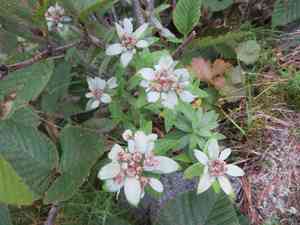
The plant blooms in the summer, producing head flowers where numerous small flowers cluster together. These head flowers are encircled by female flowers, with bisexual flowers at the center, and the female flowers eventually bear fruit. Compared to the European Edelweiss, this plant's petals are thicker and resemble bamboo leaves. Additionally, it has relatively sparse fluff, making the snowy appearance quite thin.
In This Article
Attributes of Japanese edelweiss
Lifespan
Perennial
Plant Type
Herb
Plant Height
10 cm to 50 cm
Spread
20-25 cm
Leaf Color
Grey-green
Flower Size
3.5 mm to 4.5 mm
Flower Color
White Cream
Images of Japanese edelweiss
Quickly Identify Japanese edelweiss
1
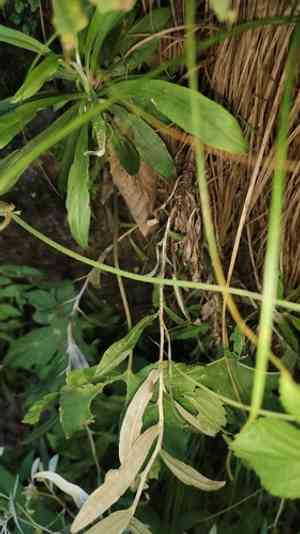
Japanese Edelweiss can be identified by its unique woolly white flowers and grey-green lanceolate leaves. The stems are also covered in a fine, felt-like layer, which is a key characteristic of this plant.
Scientific Classification of Japanese edelweiss
Phylum
Vascular plants
Class
Dicotyledons
Order
Asters bellflowers fanflowers and allies
Family
Daisy
Genus
Leontopodium
Species
Japanese edelweiss
Planting and Growing of Japanese edelweiss
Care Difficulty
Easy
Watering Schedule
Every 4 days
Sunlight Requirements
Full sun
Sunshine Duration
4-8 hours
Ideal Temperature
60-75℉
Soil Type
Potting Mix, Peat Mix
Soil pH
6.5-7.5
Fertilizer Type
Balanced
Pruning Season
Spring, Summer
Pruning Area
Branches, Leaves
Pruning Frequency
2 times a year
Repotting Season
Spring
Pot Type
Plastic, Ceramic
 How to Water Japanese edelweiss?
For Leontopodium japonicum, it is essential to water thoroughly but avoid waterlogging. Ensure the soil is moist to the touch, but not soggy. The right amount is around 250 ml per watering session, which ensures the soil is consistently moist without oversaturation.
What are the symptoms of an underwatered Japanese edelweiss?
›
What should I do if my Japanese edelweiss is not getting enough water?
›
What are the symptoms of an overwatered Japanese edelweiss?
›
How to save an overwatered Japanese edelweiss?
›
 What Are the Sunlight Requirements for Japanese edelweiss?
Partial sun exposure aligns with Leontopodium japonicum's natural habitat, promoting dense foliage, vigorous growth, and enhanced resilience, mirroring its native Alpine conditions.
What is the perfect lighting condition for Leontopodium japonicum?
›
How can I achieve optimal lighting for my plant?
›
What benefits does ideal lighting provide?
›
 What Is the Ideal Temperature Range for Japanese edelweiss?
Leontopodium japonicum thrives best in conditions that mimic its natural alpine environment. These temperatures represent mild and stable conditions, similar to those found in its native habitats. Maintaining this range ensures optimal photosynthesis and slows down metabolic stress, promoting healthy growth.
 What Soil is Best for Japanese edelweiss?
Leontopodium japonicum thrives in well-drained soil, which helps prevent root rot and allows the essential nutrients to reach the plant efficiently. Ensuring proper drainage enhances its growth and flowering. The plant prefers soil that is moderately fertile. This level of fertility supports balanced growth and robust bloom production, without the risk of over-fertilization that might lead to excessive foliage. A moderate moisture retention in the soil can benefit Leontopodium japonicum by keeping the plant hydrated, especially during dry spells, thus maintaining its vigor and resilience to environmental stress.
 How to Fertilize Japanese edelweiss?
Leontopodium japonicum prefers moderate fertilizing. Use a balanced liquid fertilizer diluted to half strength every two weeks during the growing season. Avoid fertilizing excess to prevent root burn.
 How to Prune Japanese edelweiss?
Begin by removing any dead or yellowing leaves from the base of the plant. This initial cleanup makes it easier to see the plant's natural shape and helps to guide further pruning. To maintain a compact form, trim excess growth back to a node. Be careful not to cut too close or too far from the nodes, as this can lead to die-back or unnecessary stress.
More About Pruning Techniques→
 How to Propagate Japanese edelweiss plant?
1
Begin by collecting mature seeds from Leontopodium japonicum. Clean the seeds to remove any residues or pulp, ensuring better germination. Allow the seeds to dry in an airy, shaded spot for a few days before sowing.
2
Select healthy, non-flowering stems for cuttings. Ensure the chosen stems are disease-free and of adequate length (around 4-6 inches) to promote rooting. Remove any excess leaves or flowers to concentrate the plant's energy on root development.
3
Gently dig up the mature plant, ensuring minimal root disturbance. Identify natural divisions and carefully separate them using a sharp tool. Each division should have enough roots to support independent growth.
 How to Repot Japanese edelweiss plant?
1
Look for signs such as roots growing out of the drainage holes or the soil drying out faster than usual. These are indicators that your Leontopodium japonicum needs more room to grow. Ideally, you should repot during its active growing period in spring or early summer.
2
Choose a pot that is one size larger than the current one with plenty of drainage holes. A suitable pot allows proper root aeration and prevents waterlogging, which is essential for the plant's health and growth.
3
Opt for a well-draining sandy soil mix that mimics its natural habitat. This type of soil ensures proper drainage, preventing root rot and allowing sufficient air circulation for the roots.
Learn More About Japanese edelweiss Diseases
Anthracnose
Bacterial Leaf Spot
Bacterial Soft Rot
Bacterial Wilt
Black Spot
Chemical Injury
Crown Gall
Cyst Nematode
Damping-off
Downy Mildew
Drought Stress
Fusarium Wilt
Gray Mold
Leaf Spot
Mosaic
Nutrient Deficiency
Nutrient Toxicity
Powdery Mildew
Root Rot
Root-knot Nematode
Rusts
Sooty Mold
Spider Mites
Temperature Stress
Thrips Damage
White Mold



