Lion's ears (Leonotis) (Leonotis)
Also known as: Lion's Ear
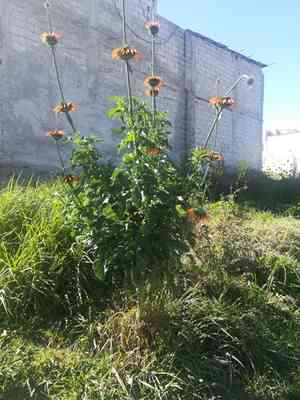
Lion's ears (Leonotis leonurus), native to Africa, are admired for their vibrant, tubular orange flowers and tall, upright growth. These plants are a favorite among gardeners due to their striking flower shape and robust nature. Ideal for sunny locations, lion's ears are excellent for attracting pollinators such as bees, butterflies, and hummingbirds with their abundant nectar. Their drought resistance and ability to grow up to 6 feet make them perfect for adding height and interest to garden landscapes. Additionally, their long blooming season from late summer to fall ensures prolonged visual appeal.
In This Article
Attributes of Lion's ears (Leonotis)
Lifespan
Perennial
Plant Height
2.5 m
Spread
1.5 m
Leaf Color
Green
Flower Size
2-4 cm
Flower Color
Orange
Images of Lion's ears (Leonotis)
Quickly Identify Lion's ears (Leonotis)
1
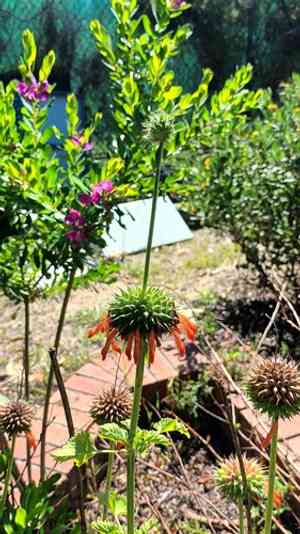
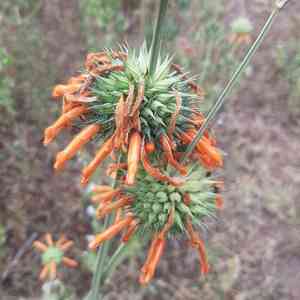
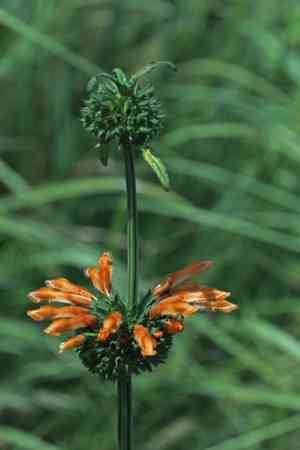
Leonotis can be identified by its tall, upright growth habit, whorls of bright orange tubular flowers, and aromatic, serrated leaves. The flowers are arranged in a distinctive tiered manner along the stems.
Scientific Classification of Lion's ears (Leonotis)
Phylum
Magnoliophyta
Class
Magnoliopsida
Order
Lamiales
Family
Lamiaceae
Genus
Leonotis
Planting and Growing of Lion's ears (Leonotis)
Care Difficulty
Moderate
Watering Schedule
Every 2 days
Sunlight Requirements
Full sun
Sunshine Duration
6-8 hours
Ideal Temperature
68-77℉
Soil Type
Potting Mix, Peat Mix
Soil pH
6.5-7.5
Fertilizer Type
Balanced
Pruning Season
Spring, Summer
Pruning Area
Branches, Leaves
Pruning Frequency
2 times a year
Repotting Season
Spring
Pot Type
Terracotta, Plastic
 How to Water Lion's ears (Leonotis)?
For Leonotis, it's essential to water them thoroughly but infrequently. It's best to ensure the soil is completely moist but not waterlogged. About 500 milliliters per watering should suffice, depending on the size of the pot and plant.
What are the symptoms of an underwatered Lion's ears (Leonotis)?
›
What should I do if my Lion's ears (Leonotis) is not getting enough water?
›
What are the symptoms of an overwatered Lion's ears (Leonotis)?
›
How to save an overwatered Lion's ears (Leonotis)?
›
 What Are the Sunlight Requirements for Lion's ears (Leonotis)?
Leonotis thrives in full sun to partial sun exposure, ideally 6-8 hours daily. This ensures optimal energy absorption, promoting vigorous growth and abundant flowering, while reducing the risk of leaf damage and ensuring lush greenery.
What is the best time to provide sunlight for Leonotis?
›
How to increase sunlight exposure indoors for Leonotis?
›
Benefits of ideal sunlight on Leonotis growth
›
 What Is the Ideal Temperature Range for Lion's ears (Leonotis)?
Leonotis thrives best within an ideal temperature range of 68°F to 77°F. This range provides the plant with the warmth needed for optimal photosynthesis and growth rate. Maintaining this temperature helps ensure rich blossom production and robust foliage development, contributing to the plant's overall health and longevity.
 What Soil is Best for Lion's ears (Leonotis)?
To thrive, Leonotis requires well-drained soil that prevents waterlogging, which can lead to root rot. This type of soil mimics the plant's natural habitat, ensuring that the roots have access to both moisture and oxygen. Leonotis benefits from moderately fertile soil that supplies adequate nutrients without being overly rich. This balance supports healthy growth and flowering, while avoiding excessive foliage growth at the expense of blooms. While drainage is crucial, the soil should also retain enough moisture to support the plant during dry periods. Sandy loam is ideal as it holds the moisture needed while still allowing excess water to escape freely.
 How to Fertilize Lion's ears (Leonotis)?
The amount of fertilizer for Leonotis should be moderate. For liquid fertilizers, use half-strength solutions to prevent root burn. When using a slow-release granular fertilizer, apply approximately one tablespoon per square foot around the base of the plant.
 How to Prune Lion's ears (Leonotis)?
Start by removing any dead, damaged, or diseased stems from the Leonotis. Cut these back to a healthy part of the plant to encourage new growth. Next, trim back any overly long stems to promote a more compact form. Make cuts just above a leaf node to encourage branching. For a better-looking plant, pinch off new tips regularly. This method promotes lateral growth and ensures a fuller appearance. Additionally, after the main flowering period, cut back spent flower spikes to encourage further blooming and keep the plant in an attractive form.
 How to Propagate Lion's ears (Leonotis) plant?
1
Choose a well-draining potting mix for optimal root development. Mix equal parts of perlite, sand, and peat moss to create a loose medium that retains moisture without becoming waterlogged. Ensure the soil is sterilized to prevent fungal infections.
2
Select healthy, non-flowering stems about 4 inches long. Cut just below a node with a clean, sharp tool. Remove the bottom leaf pair to reduce transpiration and encourage root production. Immediately place the cuttings in water to prevent air embolism.
3
Sow seeds on the surface of moist soil and lightly cover them with a thin layer of the mix. Maintain a consistent temperature of about 70°F for optimal germination. Use a plastic cover to retain moisture, but ventilate to prevent mold.
 How to Repot Lion's ears (Leonotis) plant?
1
Repotting should be considered when the roots start emerging from the drainage holes or if the plant’s growth seems stunted. Another clear sign is the soil drying out much quicker than usual, indicating that the plant has outgrown its container and needs more room to expand. Ideal timing is early spring before new growth begins.
2
Choose a pot that is only slightly larger than the current one, with good drainage holes to prevent waterlogging. A slightly larger pot encourages healthy root growth without overwhelming the plant with excess soil, which retains moisture and can lead to root rot. Lightweight pots are ideal for easy movement and handling.
3
Opt for a loamy, well-draining soil mixture to ensure adequate aeration and moisture retention. This type of soil also provides essential nutrients while preventing water logging, crucial for healthy root development. A mix enriched with organic matter like compost is beneficial for Leonotis' vigorous growth.
Learn More About Lion's ears (Leonotis) Diseases
Anthracnose
Bacterial Leaf Spot
Bacterial Soft Rot
Bacterial Wilt
Black Spot
Chemical Injury
Crown Gall
Cyst Nematode
Damping-off
Downy Mildew
Drought Stress
Fusarium Wilt
Gray Mold
Leaf Curl
Leaf Spot
Mosaic
Nutrient Deficiency
Nutrient Toxicity
Powdery Mildew
Root Rot
Root-knot Nematode
Rusts
Sooty Mold
Spider Mites
Temperature Stress
Thrips Damage
White Mold

