Lesser duckweed (Lemna aequinoctialis)
Also known as: Duckmeat, Minute duckweed, Three-nerved duckweed
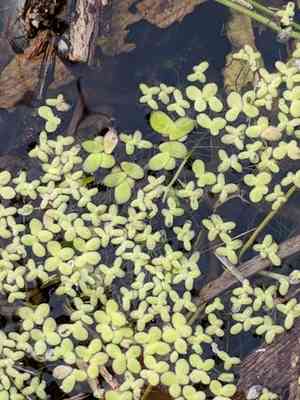
Lemna aequinoctialis, commonly known as lesser duckweed, is a small, floating aquatic plant typically found in still waters of tropical and subtropical areas. Its fronds are usually 3-nerved, green, and can grow up to 6 mm in length. The plant produces 1-ovulate flowers with a small, open utricular scale on one side, and its seeds feature 8-26 ribs.
In This Article
Attributes of Lesser duckweed
Lifespan
Perennial
Plant Type
Herb
Plant Height
15 cm
Spread
Plants do not have a defined crown, individual leaves can be 1-8 mm across
Leaf Color
Green
Flower Size
Less than 1 mm
Flower Color
Yellow Green
Images of Lesser duckweed
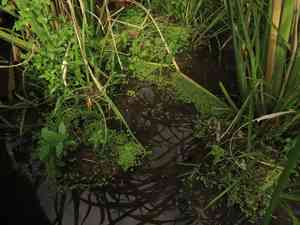
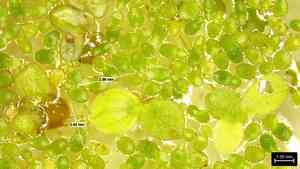
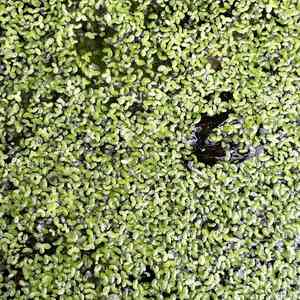
Quickly Identify Lesser duckweed
1
Lemna aequinoctialis can be identified by its small, oval, and flat leaves, typically 1 to 8 mm long, floating on the water\'s surface. It lacks a visible stem and has tiny rootlets hanging below each leaf. The plant occasionally produces a tiny, inconspicuous flower.
Scientific Classification of Lesser duckweed
Phylum
Vascular plants
Class
Monocotyledons
Order
Alismatales
Family
Arum
Genus
Duckweeds
Species
Lesser duckweed
Planting and Growing of Lesser duckweed
Care Difficulty
Easy
Watering Schedule
Every 12 days
Sunlight Requirements
Partial sun
Sunshine Duration
4-8 hours
Ideal Temperature
68-82℉
Soil Type
Potting Mix, Peat Mix
Soil pH
5.5-7.5
Fertilizer Type
Balanced
Pruning Season
Spring, Summer
Pruning Area
Branches, Leaves
Pruning Frequency
2 times a year
Repotting Season
Spring
Pot Type
Terracotta, Plastic
 How to Water Lesser duckweed?
When watering Lemna aequinoctialis, it's important to ensure that a sufficient amount of water—around 150 ml—is provided each time. This small floating plant thrives on the water surface and benefits from a consistent moisture level. The goal is to keep a stable water layer where the roots can easily absorb nutrients and water, without allowing the surface to dry out completely.
What are the symptoms of an underwatered Lesser duckweed?
›
What should I do if my Lesser duckweed is not getting enough water?
›
What are the symptoms of an overwatered Lesser duckweed?
›
How to save an overwatered Lesser duckweed?
›
 What Are the Sunlight Requirements for Lesser duckweed?
Lemna aequinoctialis prefers partial sun, ideally getting a balance of light that is not too intense. This enhances its natural growth cycles and helps maintain its coloration and vitality.
What is the ideal lighting for Lemna aequinoctialis?
›
How to achieve the ideal lighting conditions for this plant?
›
What are the benefits of maintaining ideal lighting for Lemna aequinoctialis?
›
 What Is the Ideal Temperature Range for Lesser duckweed?
Lemna aequinoctialis thrives best within a temperature range of 68 to 82°F. This range provides optimal growing conditions, promoting rapid growth and reproduction. The balance of warmth aligns with its native habitats, offering a comfortable environment to support metabolic processes efficiently.
 What Soil is Best for Lesser duckweed?
Lemna aequinoctialis thrives best in soils that have excellent moisture retention properties. This means soils which can consistently hold water without becoming waterlogged. Effective moisture retention ensures that the plant remains hydrated, reduces the frequency of watering needed, and supports the continued growth and vitality of the plant. This plant flourishes in nutrient-rich environments. Ensuring the soil is fortified with organic matter or fertilizers will lead to healthier and more vibrant growth. Rich soil fosters robust leaf development, enhancing the overall aesthetic of Lemna aequinoctialis. Aerated and well-draining soils are crucial for Lemna aequinoctialis as they prevent root rot and other fungal diseases. Adequate aeration facilitates the exchange of gases and aids in the biological processes essential for plant growth.
 How to Fertilize Lesser duckweed?
Lemna aequinoctialis requires a delicate balance of nutrients. A general guideline is to apply a liquid fertilizer at a concentration of 1/4 of the recommended dosage for houseplants, ensuring that the tiny, delicate plants are not overwhelmed. Avoid over-fertilization, as this can lead to nutrient burn.
 How to Prune Lesser duckweed?
Survey the surface of the water to identify thick mats of Lemna. 2. Gently skim the net over the surface to gather excess plants. 3. Remove no more than one-third of the density in a session. 4. Dispose of them properly to avoid contamination.
 How to Propagate Lesser duckweed plant?
1
Ensure the mother plant is healthy and thriving. This involves checking for any signs of disease or pests and ensuring the plant is well-watered a day before division, which helps reduce stress on both parent and new plants.
2
Gently remove the plant from its container and separate it into smaller sections, ensuring each section has roots attached. Handle the plants carefully to avoid damaging the root systems or the leaves during separation.
3
Immediately replant the divided sections into suitable substrate. Water them thoroughly to settle the soil around the roots, and place them in a location with optimal temperature and light conditions for recovery and growth.
 How to Repot Lesser duckweed plant?
1
Lemna aequinoctialis gives clear signals for repotting, such as overcrowded floating colonies or reduced growth. Spring is the best season as it synchronizes with its active growth period. These signs mean your plant is craving more space and nutrients to thrive.
2
Selecting a pot for Lemna aequinoctialis involves ensuring it is shallow and broad, facilitating maximum surface exposure. This optimizes light access and promotes healthier growth. Proper drainage is essential to prevent water stagnation, which can be detrimental.
3
Opt for nutrient-rich silty soil that replicates natural pond habitats. The right soil ensures sustained growth by providing essential nutrients. It enhances leaf vibrancy and boosts the plant's overall health, allowing it to flourish beautifully in its new setting.



