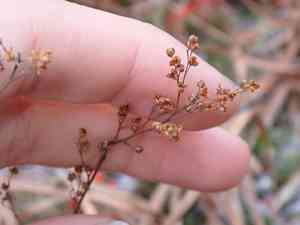
Pinweeds (Lechea) (Lechea)
Also known as: Pinweeds
Pinweeds are generally low-growing herbs characterized by their slender leaves and numerous small flowers that resemble pinheads. The genus Lechea, which includes pinweeds, is predominantly found in eastern North America and comprises around 18 species.
In This Article
Attributes of Pinweeds (Lechea)
Lifespan
Perennial
Plant Height
5-50 cm
Spread
10-30 cm
Leaf Color
Green
Flower Size
0.5-1 cm
Flower Color
White, Pink
Images of Pinweeds (Lechea)
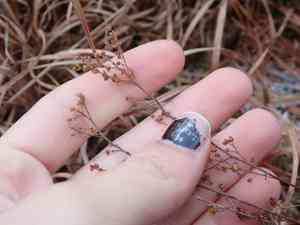
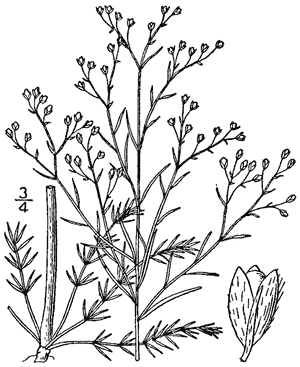
Quickly Identify Pinweeds (Lechea)
1
Lechea species can be identified by their small, inconspicuous flowers which are typically less than 1 cm in diameter. The leaves are generally small, narrow, and often have a rough texture. The plants usually grow low to the ground, forming mats or small clumps.
Scientific Classification of Pinweeds (Lechea)
Phylum
Magnoliophyta
Class
Magnoliopsida
Order
Malvales
Family
Cistaceae
Genus
Lechea
Planting and Growing of Pinweeds (Lechea)
Care Difficulty
Moderate
Watering Schedule
Every 2 days
Sunlight Requirements
Full sun
Sunshine Duration
6-10 hours
Ideal Temperature
65-75℉
Soil Type
Potting Mix, Peat Mix
Soil pH
6.5-7.5
Fertilizer Type
Balanced
Pruning Season
Spring, Summer
Pruning Area
Branches, Leaves
Pruning Frequency
2 times a year
Repotting Season
Spring
Pot Type
Plastic, Ceramic
 How to Water Pinweeds (Lechea)?
Lechea plants require about 250 milliliters of water per session. The soil should be kept evenly moist but not waterlogged. Aim to water until the top inch of the soil is moderately wet, ensuring the plant does not stand in water.
What are the symptoms of an underwatered Pinweeds (Lechea)?
›
What should I do if my Pinweeds (Lechea) is not getting enough water?
›
What are the symptoms of an overwatered Pinweeds (Lechea)?
›
How to save an overwatered Pinweeds (Lechea)?
›
 What Are the Sunlight Requirements for Pinweeds (Lechea)?
Lechea thrives best with full sun to partial sun exposure. This light ensures robust growth, vibrant foliage, and potential for flowering. The duration of daily sunlight helps in sustaining energy levels and prevents stunted growth.
How to achieve ideal lighting conditions for Lechea?
›
Specific measures to provide optimal light for Lechea
›
Benefits of providing Lechea with ideal lighting conditions
›
 What Is the Ideal Temperature Range for Pinweeds (Lechea)?
Lechea thrives best in an environment where the temperature ranges from 65°F to 75°F. This range supports optimal metabolic processes and physiological activities necessary for the plant's growth and reproduction. Maintaining this climate ensures healthier foliage, efficient nutrient uptake, and robust flowering.
 What Soil is Best for Pinweeds (Lechea)?
Lechea thrives in well-drained soil to prevent root rot and other moisture-related issues. This ensures that the plant receives adequate oxygen, promoting healthy root development and overall growth. While Lechea is not a heavy feeder, it benefits from soils that supply sufficient nutrients. Soils rich in organic matter support the plant's moderate nutritional needs, allowing it to flourish without excessive fertilization. Lechea prefers soils that are airy and light, promoting robust root growth. Adequate aeration ensures that roots expand efficiently, supporting the plant's health and resilience.
 How to Fertilize Pinweeds (Lechea)?
For Lechea, the application of fertilizer should be moderate. During the growing season, use a balanced liquid fertilizer diluted to half-strength; apply about 200 ml per plant. Be cautious to avoid over-fertilizing, as this plant thrives on minimal nutrition.
 How to Prune Pinweeds (Lechea)?
Start by identifying and removing any dead, diseased, or damaged branches. This helps prevent the spread of diseases and encourages healthier new growth. After removing problem areas, focus on shaping the plant by trimming back overgrown parts. Make clean cuts at the node or just above a leaf set to encourage bushier growth. Pay attention to the overall shape of the plant and cut back aggressively growing sections to maintain symmetry and a pleasing form. Regular shaping can help manage the plant's size.
 How to Propagate Pinweeds (Lechea) plant?
1
Collect mature seeds from the Lechea plant at the end of the growing season. Make sure to dry them properly to avoid mold or rot during storage. Store them in a cool, dry place until planting.
2
Select healthy, disease-free stems and cut them with sharp pruners to a length of about 4-6 inches. Remove any leaves that are too close to the bottom to prevent decay.
3
Plant seeds in trays filled with a quality seed-starting mix or insert cuttings into a well-draining substrate. Water lightly to maintain slight moisture, and keep them in a warm, partially shaded area to encourage growth.
 How to Repot Pinweeds (Lechea) plant?
1
Lechea shows signs it's ready for repotting when it becomes root-bound, with roots visible through drainage holes or crowding the soil surface. Another signal is the plant's noticeably slowed growth rate, indicating it needs more space to thrive.
2
Choose a slightly larger pot with excellent drainage. This allows water to swiftly escape, preventing root rot and other moisture-related issues. The pot should also match the plant's size to aid in its overall stability and growth.
3
Opt for a well-draining sandy soil mix. This type of soil ensures adequate aeration and prevents water from pooling around the roots, promoting healthy growth and reducing the potential for fungal infections.
Learn More About Pinweeds (Lechea) Diseases
Anthracnose
Bacterial Leaf Spot
Bacterial Wilt
Crown Gall
Cyst Nematode
Damping-off
Downy Mildew
Drought Stress
Fusarium Wilt
Gray Mold
Leaf Spot
Mosaic
Nutrient Deficiency
Nutrient Toxicity
Powdery Mildew
Root Rot
Root-knot Nematode
Rusts
Sooty Mold
Spider Mites
Temperature Stress
Thrips Damage
White Mold

