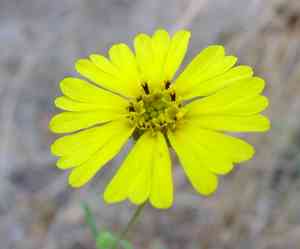
Tall tidytips (Layia hieracioides)
Also known as: Tall Layia, Hieracium-leaved Tidytips
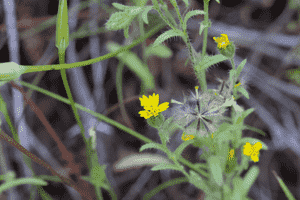
Tall tidytips (Layia hieracioides) is an annual wildflower known for its bright yellow, daisy-like flowers with central disk florets. This plant flourishes in sunny environments with well-drained soils, making it well-suited to open areas such as coastal scrub, grasslands, and open woodlands. Its lance-shaped, hairy leaves add to its unique appearance.
In This Article
Attributes of Tall tidytips
Lifespan
Annual
Plant Type
Herb
Plant Height
30-120 cm
Spread
Varies, not typically measured for wildflowers
Leaf Color
Green
Flower Size
2-4 cm
Flower Color
Yellow with white tips
Images of Tall tidytips
Quickly Identify Tall tidytips
1
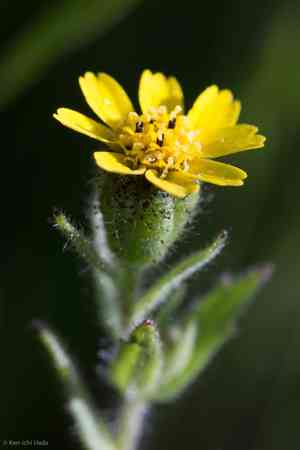
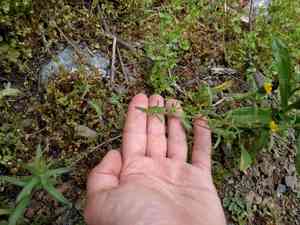
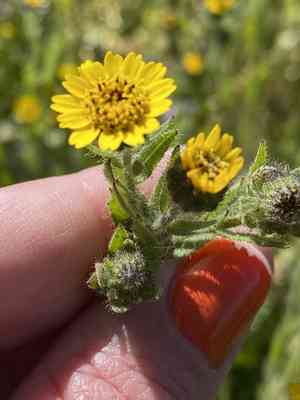
To identify Layia hieracioides, look for its tall, branching stems which can grow over a meter in height, its distinctive yellow and white flower heads, and its oblong, hairy leaves that resemble those of the Hawkweed (Hieracium).
Scientific Classification of Tall tidytips
Phylum
Vascular plants
Class
Dicotyledons
Order
Asterales
Family
Daisy
Genus
Tidy tips
Species
Tall tidytips
Planting and Growing of Tall tidytips
Care Difficulty
Easy
Watering Schedule
Every 3 days
Sunlight Requirements
Full sun
Sunshine Duration
6-8 hours
Ideal Temperature
60-75℉
Soil Type
Potting Mix, Peat Mix
Soil pH
6.5-7.5
Fertilizer Type
Balanced
Pruning Season
Spring, Summer
Pruning Area
Branches, Leaves
Pruning Frequency
2 times a year
Repotting Season
Spring
Pot Type
Plastic, Ceramic
 How to Water Tall tidytips?
When watering Layia hieracioides, aim to thoroughly moisten the soil, ensuring water reaches the root zone without causing waterlogging. The plant prefers a deep soak that keeps the soil evenly moist but not saturated, approximately 200 ml to fulfill its hydration needs.
What are the symptoms of an underwatered Tall tidytips?
›
What should I do if my Tall tidytips is not getting enough water?
›
What are the symptoms of an overwatered Tall tidytips?
›
How to save an overwatered Tall tidytips?
›
 What Are the Sunlight Requirements for Tall tidytips?
Layia hieracioides ideally requires full sun, enduring at least 6 to 8 hours of direct sunlight daily. This exposure ensures robust health, vigorous flowering, and a sustained growth cycle.
What amount of sunlight is ideal for Layia hieracioides?
›
How can I ensure Layia hieracioides receives enough sunlight?
›
What are the benefits of ideal sunlight for Layia hieracioides?
›
 What Is the Ideal Temperature Range for Tall tidytips?
Layia hieracioides thrives best in temperatures ranging between 60°F and 75°F. This range provides the necessary warmth for optimal metabolic processes, including photosynthesis and nutrient uptake. Ensuring temperatures within this range encourages lush growth and sustained flowering.
 What Soil is Best for Tall tidytips?
Layia hieracioides thrives in well-draining soil, crucial for preventing root rot and other moisture-related diseases. This soil type ensures that excess water quickly moves out, allowing air circulation and oxygen availability to the roots, which is vital for healthy growth. This plant can tolerate nutrient-poor soils, making it a hardy choice for less fertile areas. Its ability to grow in such conditions saves on fertilization efforts and provides a unique aesthetic to rocky or sandy gardens while supporting ecological plant diversity. While Layia hieracioides can tolerate a range of pH levels, it prefers neutral to slightly alkaline soils. This preference helps foster optimal nutrient uptake, promoting robust flowering and reducing issues associated with nutrient lockout, which occur when pH levels are too high or too low.
 How to Fertilize Tall tidytips?
Layia hieracioides requires a balanced approach to fertilization. Use a half-strength liquid fertilizer every two weeks during the growing season and follow up with a slow-release fertilizer three times a year to ensure sustained nutrition.
 How to Prune Tall tidytips?
Begin by thoroughly inspecting Layia hieracioides for dead or diseased stems. Identifying problem areas early aids in selecting pruning targets effectively. Make clean cuts at a 45-degree angle to direct growth outward. This angle reduces water accumulation and risk of infection, promoting overall plant health.
More About Pruning Techniques→
 How to Propagate Tall tidytips plant?
1
Begin by filling the seed trays with potting mix, gently leveling the surface. Scatter Layia hieracioides seeds evenly across the surface, ensuring they are well-spaced. Cover the seeds with a thin layer of potting mix, approximately 1/8 inch, to ensure they are adequately covered without inhibiting their ability to sprout.
2
Once the seeds are sown, water the trays gently to ensure the potting mix is moist but not waterlogged. Use a fine mist spray to avoid displacing the seeds. Consistent moisture is crucial during the germination period, so monitor moisture levels closely.
3
Place the seed trays in an area where they receive adequate indirect sunlight. Artificial grow lights can be used to supplement natural light, ensuring the seeds receive approximately 12-16 hours of light daily. This encourages strong and healthy seedling development.
 How to Repot Tall tidytips plant?
1
Repotting Layia hieracioides should be considered when growth seems stunted or the plant roots start coming out of the drainage holes. Typically, these are clear signals that your plant needs a bigger home. Spring or early summer is the best time to do this, as the plant is actively growing and can recover quicker from the stress of being repotted.
2
When choosing a pot, ensure it is one size larger than the current one, with ample drainage holes to prevent water logging. Terracotta pots are a great choice as they promote good air circulation and help the soil dry out evenly, which is crucial for maintaining the health of Layia hieracioides.
3
Opt for a well-draining sandy mix, as this mimics the plant's natural environment and prevents root rot. The well-draining nature of the soil ensures excess moisture doesn't linger around the roots, reducing the risk of diseases and promoting vigorous growth.
Learn More About Tall tidytips Diseases
Anthracnose
Bacterial Leaf Spot
Bacterial Soft Rot
Bacterial Wilt
Black Spot
Chemical Injury
Crown Gall
Cyst Nematode
Damping-off
Downy Mildew
Drought Stress
Fusarium Wilt
Gray Mold
Leaf Curl
Leaf Spot
Mosaic
Nutrient Deficiency
Nutrient Toxicity
Powdery Mildew
Root Rot
Root-knot Nematode
Rusts
Sooty Mold
Spider Mites
Temperature Stress
Thrips Damage
White Mold



