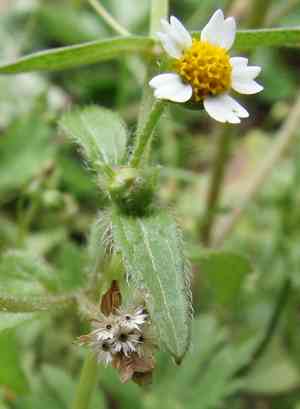
Woodland tidytips (Layia gaillardioides)
Also known as: Tidy Tips
Woodland tidytips (Layia platyglossa) is a vibrant annual from the sunflower family, known for its stunning yellow petals with a sunburst-like central disk. It prefers well-drained sandy or loamy soils and requires full sunlight to thrive. Native to open, dry habitats, this plant is highly drought-tolerant once established. Key conditions for optimal growth include:
1. **Soil**: Prefers well-drained, sandy or loamy soil.
2. **Sunlight**: Needs full sun exposure.
3. **Water**: Low water requirements; drought-tolerant after establishment.
4. **Climate**: Adapts well to mild, Mediterranean climates.
Avoid heavy clay soils and excessive moisture to prevent root issues.
In This Article
Attributes of Woodland tidytips
Lifespan
Annual
Plant Type
Herb
Plant Height
10-60 cm
Spread
Typically not measured for this plant
Leaf Color
Green
Flower Size
2-3 cm
Flower Color
Yellow with white tips
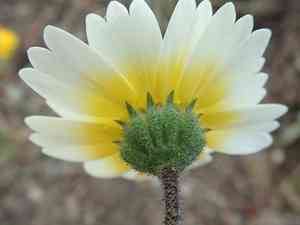
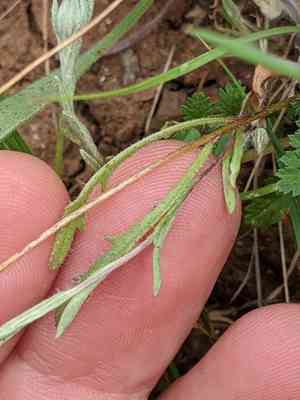
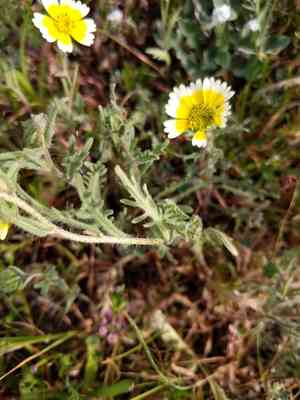
Images of Woodland tidytips
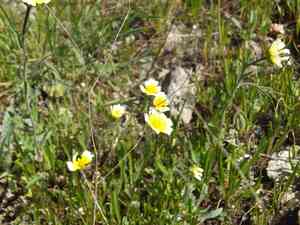
Quickly Identify Woodland tidytips
1
Tidy Tips can be identified by their distinctive flower heads, which have yellow petals with white tips. The leaves are lance-shaped and covered in fine hairs.
Scientific Classification of Woodland tidytips
Phylum
Vascular plants
Class
Dicotyledons
Order
Asterales
Family
Daisy
Genus
Tidy tips
Species
Woodland tidytips
Planting and Growing of Woodland tidytips
Care Difficulty
Easy
Watering Schedule
Every 3 days
Sunlight Requirements
Full sun
Sunshine Duration
4-8 hours
Ideal Temperature
65-75℉
Soil Type
Potting Mix, Peat Mix
Soil pH
6.5-7.5
Fertilizer Type
Balanced
Pruning Season
Spring, Summer
Pruning Area
Branches, Leaves
Pruning Frequency
2 times a year
Repotting Season
Spring
Pot Type
Terracotta, Plastic
 How to Water Woodland tidytips?
Layia gaillardioides prefers a moderate watering approach. Ensure the soil is moistened thoroughly but not waterlogged. The ideal approach is to let the top inch of soil dry out between waterings, which ensures that the plant has access to necessary moisture without the risk of root rot.
What are the symptoms of an underwatered Woodland tidytips?
›
What should I do if my Woodland tidytips is not getting enough water?
›
What are the symptoms of an overwatered Woodland tidytips?
›
How to save an overwatered Woodland tidytips?
›
 What Are the Sunlight Requirements for Woodland tidytips?
Providing full to partial sun conditions ensures optimal photosynthesis and growth for Layia gaillardioides. Adequate sunlight over 6-8 hours is essential, resulting in healthier blooms and overall plant vigor.
What kind of sunlight does Layia gaillardioides prefer?
›
How to ensure Layia gaillardioides receives ideal sunlight?
›
Benefits of ideal sunlight for Layia gaillardioides?
›
 What Is the Ideal Temperature Range for Woodland tidytips?
Layia gaillardioides, commonly known as Tidy Tips, thrives beautifully within a temperature range of 65°F to 75°F. This range provides a comfortable environment that supports their growth and development. It ensures that essential physiological processes, such as photosynthesis and respiration, occur optimally. Maintaining this temperature range can significantly enhance flowering and health.
 What Soil is Best for Woodland tidytips?
Layia gaillardioides thrives best in well-drained soil, which prevents waterlogging and root rot. This quality ensures the plant's roots have ample oxygen and reduces the risk of fungal infections, encouraging vigorous growth. For optimal growth, Layia gaillardioides benefits from soil enriched with organic matter. This boosts the nutrient content available to the plant, providing sustained energy for flowering and enhancing its overall health. This species does particularly well in soils that exhibit moderate acidity, ensuring essential nutrient availability. A neutral to slightly acidic pH aids in nutrient absorption, helping the plant maintain its vibrant blooms and lush foliage.
 How to Fertilize Woodland tidytips?
Layia gaillardioides prefers a balanced approach to fertilization. Use a half-strength liquid fertilizer every two weeks during the growing season for optimal health. Avoid over-fertilizing to prevent root burn and foliage damage.
 How to Prune Woodland tidytips?
Start by using clean, sharp pruning shears to remove dead or diseased stems from Layia gaillardioides. Cut back any overly long or untidy stems to maintain a compact shape. Make sure to cut just above a leaf node to encourage new growth. To encourage a bushy form, trim the growing tips of each branch by a couple of inches. This will stimulate side growth and create a fuller appearance. Always step back periodically to check your progress and ensure a balanced shape.
More About Pruning Techniques→
 How to Propagate Woodland tidytips plant?
1
Sow the seeds on the surface of a moist seed tray filled with potting mix. Do not cover the seeds too deep; a light layer of mix is sufficient. Ensuring seed-to-soil contact will aid in germination.
2
Keep the seed tray consistently moist without overwatering. Use a watering can with a fine nozzle to gently water the soil to prevent washing away the seeds.
3
Place the seed tray in a bright area where it receives direct sunlight or under grow lights. Maintain a warm temperature around 70°F (21°C) to support germination.
 How to Repot Woodland tidytips plant?
1
Layia gaillardioides should be repotted when you notice that the roots are encircling the pot, emerging from drainage holes, or when the soil dries out too quickly after watering. These are signs that your plant has outgrown its current home and needs more space to breathe and grow.
2
Select a pot that is at least 2 inches larger in diameter than the current one. Ensure it has adequate drainage holes. A slightly larger pot prevents excessive water retention and promotes healthy root growth, helping the plant to thrive in its new environment.
3
Opt for a sandy, well-draining soil mix to prevent waterlogging and root rot. This type of soil allows air circulation to the roots while efficiently draining excess water, ensuring that Layia gaillardioides has an optimal environment for growth.
Learn More About Woodland tidytips Diseases
Anthracnose
Bacterial Leaf Spot
Bacterial Soft Rot
Bacterial Wilt
Black Spot
Chemical Injury
Crown Gall
Cyst Nematode
Damping-off
Downy Mildew
Drought Stress
Fusarium Wilt
Gray Mold
Leaf Curl
Leaf Spot
Mosaic
Nutrient Deficiency
Nutrient Toxicity
Powdery Mildew
Root Rot
Root-knot Nematode
Rusts
Sooty Mold
Spider Mites
Temperature Stress
Thrips Damage
White Mold



