Lawsonia (Lawsonia)(Lawsonia)

Lawsonia (Lawsonia) (Lawsonia)

Also known as: Henna, Egyptian Privet

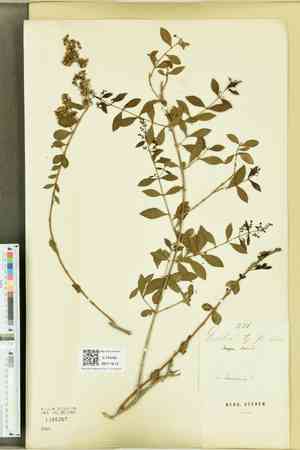
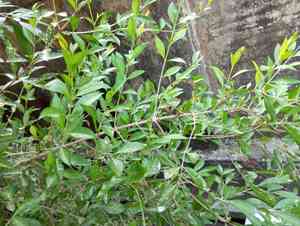
Lawsonia, commonly known as henna, is a single-species plant. It manifests as a tall shrub or small tree, reaching heights of 1.8 to 8 meters. The plant is smooth and has many branches, often ending in spines. Its leaves are smooth, almost stemless, elliptical, lance-shaped, and have veins that are sunken on the upper surface. The plant produces small, fragrant flowers with ovate petals, and white or red stamens paired on the calyx tube. The fruit is a small, brownish capsule that splits irregularly into four sections, containing 32-49 seeds. Henna is native to northern Africa, western and southern Asia, and northern Australia, thriving in semi-arid and tropical climates.

Attributes of Lawsonia (Lawsonia)

Lifespan
Perennial
Plant Height
1.5 to 4 meters
Spread
1 to 2 meters
Leaf Color
Green
Flower Size
0.5 to 1 centimeter
Flower Color
White or pink

ForwardPlant - Identify plants with a snap

Identify and diagnose plants, get toxicity alerts, and explore safety guides for all types of fungi.

Try for Free

Images of Lawsonia (Lawsonia)

Lawsonia (Lawsonia)(Lawsonia)

Quickly Identify Lawsonia (Lawsonia)

1
Lawsonia can be identified by its small, opposite leaves, and white or pink fragrant flowers. The plant often grows as a dense shrub.

Scientific Classification of Lawsonia (Lawsonia)

Phylum
Magnoliophyta
Class
Magnoliopsida
Order
Myrtales
Family
Lythraceae
Genus
Lawsonia

Planting and Growing of Lawsonia (Lawsonia)

Care Difficulty
Moderate
Watering Schedule
Every 3 days
Sunlight Requirements
Full sun
Sunshine Duration
6-10 hours
Ideal Temperature
70-85℉
Soil Type
Potting Mix, Peat Mix
Soil pH
6.5-7.5
Fertilizer Type
Balanced
Pruning Season
Spring, Summer
Pruning Area
Branches, Leaves
Pruning Frequency
2 times a year
Repotting Season
Spring
Pot Type
Plastic, Terracotta

water icon How to Water Lawsonia (Lawsonia)?

For Lawsonia, the watering should strike a balance between sufficient hydration and avoiding waterlogging. Ensure water soaks through the soil until it drains, indicating the roots have been adequately reached.
What are the symptoms of an underwatered Lawsonia (Lawsonia)?
What should I do if my Lawsonia (Lawsonia) is not getting enough water?
What are the symptoms of an overwatered Lawsonia (Lawsonia)?
How to save an overwatered Lawsonia (Lawsonia)?

sunlight icon What Are the Sunlight Requirements for Lawsonia (Lawsonia)?

Sunlight Requirements: Full sun
Duration of light: 6 to 8 hours
Lawsonia thrives best under full sun conditions, benefiting from a consistent and direct light exposure throughout the day. This promotes lush foliage and vibrant colors, enhancing both its health and ornamental appeal.
How much light does Lawsonia need?
What are the best locations for planting?
How to ensure consistent lighting?

temperature icon What Is the Ideal Temperature Range for Lawsonia (Lawsonia)?

Ideal Temperature: 70 ~ 85℉
The ideal temperature range for growing Lawsonia is between 70°F and 85°F. This range allows the plant to perform optimal physiological processes such as photosynthesis and respiration. It is crucial to maintain consistent temperatures within this range to avoid stress that can impair growth and affect plant health.

soil icon What Soil is Best for Lawsonia (Lawsonia)?

Soil type: Sandy soil, Loam, Calcareous soil
Soil PH: 6.5 ~ 7.5
Lawsonia, commonly known as henna, thrives in well-draining soil. Good drainage prevents waterlogging, which could otherwise lead to root rot. Ensuring that the soil allows excess water to pass through efficiently helps maintain the plant's health, particularly in regions with heavier rainfall. Henna plants benefit greatly from soil that is enriched with nutrients. A balanced mix of organic matter like compost can improve soil fertility, providing the plant with essential nutrients that encourage vigorous growth and enhance leaf quality, which is vital for henna's primary use in dye production. Soil aeration is crucial for the Lawsonia plant, as it needs oxygen at the root level to thrive. Loosening the soil can enhance aeration, preventing compaction. This ensures that the roots expand optimally, absorbs nutrients efficiently, and contribute to robust plant health and higher yields.

fertilize icon How to Fertilize Lawsonia (Lawsonia)?

Fertilizer type: Balanced
For Lawsonia, typically known as henna, appropriate fertilization involves applying around 10 grams of balanced N-P-K fertilizer per plant. This amount helps to ensure proper growth without overwhelming or undernutrition. Adjust based on plant size and soil conditions.

prune icon How to Prune Lawsonia (Lawsonia)?

Pruning Time: Spring, Summer
Begin the pruning session by removing any dead, diseased, or damaged branches. This helps prevent the spread of diseases and opens up the plant to allow better air circulation and sunlight penetration. Trim the plant back to maintain its natural shape or design a desired look. Consider how you want the Lawsonia to fit into its surroundings and remove any branches growing outside the ideal form. After shaping, cut back the tips of branches to stimulate new growth. This helps make the plant bushier over time, filling out sparse areas and promoting lush leaf development.

propagate icon How to Propagate Lawsonia (Lawsonia) plant?

Propagate Time: Spring, Early summer
1
Choose a healthy, non-flowering stem from Lawsonia. It should be about 4-6 inches long. Make the cut just below a leaf node using sharp pruning shears to ensure a clean and precise cut.
2
Remove the leaves from the bottom half of the cutting to prevent rot when placed in soil or water. Dip the cut end in rooting hormone powder to encourage rapid root development.
3
Plant the cutting in a pot filled with a mix of perlite and peat moss. Water lightly and cover with a plastic bag or dome to maintain humidity while ensuring the cutting receives indirect sunlight.

repot icon How to Repot Lawsonia (Lawsonia) plant?

Repotting frequency: Every 2-3 years
1
Lawsonia, commonly known as henna, needs repotting when you notice roots poking out of the drainage holes or if growth has become stunted. Spring or early summer is ideal as the plant enters its active growth phase. This timing ensures minimal shock and allows the plant to establish itself quickly in the new soil.
2
Opt for a pot that's 2 inches larger in diameter than the current one. It should have ample drainage holes to prevent waterlogging. A terracotta pot is preferable as it allows moisture to evaporate, keeping the soil evenly moist yet airy, which benefits Lawsonia's root system.
3
Select a well-draining potting mix rich in organic matter. A sandy loam or a mix tailored for Mediterranean plants is suitable. This type of soil prevents root rot by ensuring excess water flows away quickly, yet retains enough moisture and nutrients for vigorous growth.

ForwardPlant - Identify plants with a snap

Find the best spots for them to optimize their health, simply using your phone.

Try for Free